8 Min Read
Discovering protein in urine, a condition medically known as proteinuria, can be a concerning finding during a routine health check-up. While it can sometimes be a temporary and harmless occurrence, it often serves as an important indicator of kidney function and overall health. Understanding the various protein in urine causes is key to managing your kidney health. At Manipal Hospitals, we believe in empowering our patients with clear, comprehensive information to navigate their health journey effectively. Many patients naturally ask, what causes protein in urine, and it's a question we are dedicated to answering clearly.
When your kidneys are healthy, they filter waste products from your blood while retaining essential substances like protein. However, if your kidneys are damaged, they might allow protein to leak into your urine. Understanding what causes protein in urine and its implications is the first step towards maintaining optimal kidney health. This article will delve into the various protein in urine causes and its implications, helping you understand this important health marker, from its causes to treatment, providing you with the knowledge to seek timely care.
Synopsis
What Causes Protein in Urine?
The presence of protein in urine can stem from a variety of factors, ranging from benign temporary conditions to more serious underlying health issues. Identifying the exact protein in urine causes is crucial for appropriate diagnosis and management. A thorough investigation to understand what causes protein in urine is essential for effective treatment.
Underlying Medical Conditions:
-
Kidney Disease: This is often the most significant concern. Conditions like glomerulonephritis (inflammation of the kidney's filtering units), focal segmental glomerulosclerosis, or IgA nephropathy can severely impair kidney function, leading to persistent proteinuria. These represent serious protein in urine causes that require immediate medical attention. Early detection and management can prevent progression to chronic kidney disease in a significant percentage of patients, with studies showing up to 60-70% success in stabilising kidney function when treated promptly.
-
Diabetes: High blood sugar levels over time can damage the tiny blood vessels in the kidneys, causing protein to leak. Diabetic nephropathy is a leading cause of end-stage renal disease and a significant factor among protein in urine causes. Approximately 20-40% of individuals with diabetes eventually develop kidney disease.
-
High Blood Pressure (Hypertension): Uncontrolled high blood pressure can damage kidney arteries, impairing their filtering ability and leading to proteinuria, highlighting another key factor among protein in urine causes. Effective blood pressure management can reduce the risk of kidney damage progression by 30-50%.
-
Urinary Tract Infections (UTIs): Many ask, can UTIs cause protein in urine? Yes, a UTI can cause inflammation and temporarily lead to protein in urine. This typically resolves once the infection is treated, making UTIs a temporary, yet common, factor among protein in urine causes.
-
Preeclampsia: A serious pregnancy complication characterised by high blood pressure and protein in urine.
-
Autoimmune Diseases: Conditions like lupus can affect the kidneys, leading to proteinuria.
-
Certain Medications: Some drugs can have adverse effects on kidney function.
Regarding the query, whether discharge can cause protein in urine, it's important to clarify. Vaginal discharge itself doesn't directly cause proteinuria. However, if there's a vaginal infection, it could potentially lead to a urinary tract infection (UTI), which *can* cause protein in urine. Additionally, discharge might contaminate a urine sample, leading to a false positive for protein. This means that while discharge isn't a direct cause, the context around it sometimes leads to the question, can discharge cause protein in urine? Always ensure a clean-catch urine sample for accurate results. However, understanding the various protein in urine causes helps distinguish between benign and serious issues.
Types of Proteinuria
Proteinuria can be classified based on its duration and the amount of protein present:
-
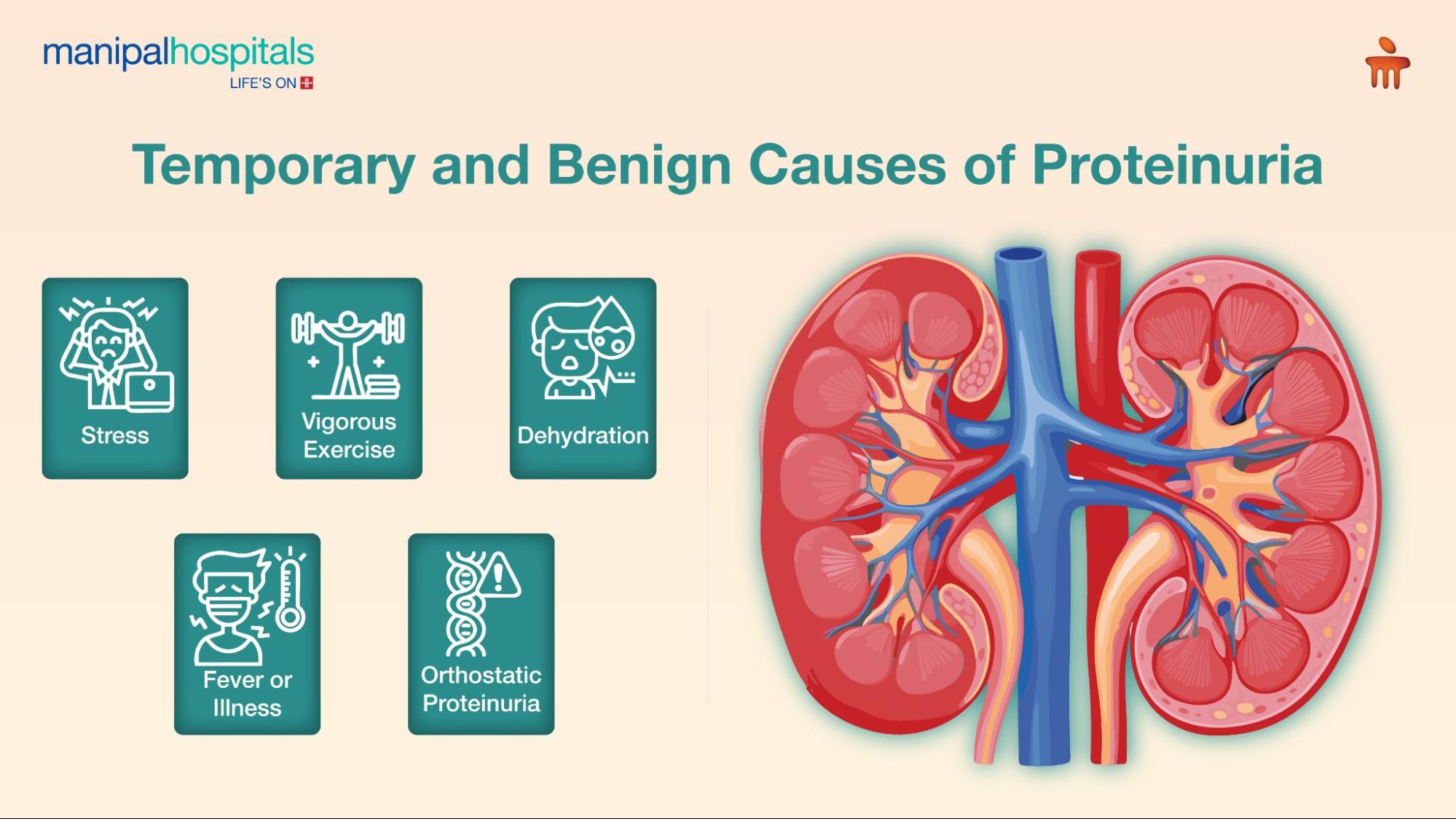
Transient Proteinuria: Temporary and usually harmless, caused by factors like fever, stress, or exercise.
-
Orthostatic Proteinuria: Protein appears only when upright, common in adolescents.
-
Persistent Proteinuria: This is more concerning and usually indicates an underlying kidney issue or systemic disease, requiring further investigation.
Studies show that while transient proteinuria is common, persistent proteinuria affects about 0.5-1% of the general population and significantly increases the risk of progressive kidney disease.
Recognizing the Symptoms
Early-stage proteinuria often has no noticeable symptoms. This is why regular health check-ups and urine tests are vital. As kidney damage progresses and more protein leaks into the urine, you might start to observe:
-
Foamy or frothy urine is due to the presence of excess protein.
-
Swelling (oedema) in the hands, feet, ankles, and face, particularly around the eyes, is caused by fluid retention.
-
Frequent urination, especially at night.
-
Shortness of breath.
-
Fatigue and weakness.
-
Loss of appetite and nausea.
-
Muscle cramps.
If you experience any of these symptoms, especially if they are persistent, it is crucial to consult a doctor. Early diagnosis can significantly improve treatment outcomes for kidney-related conditions, with a high success rate of preventing complications when detected early.
Diagnosis and Assessment
Detecting protein in urine typically involves a simple urine test:
-
Urine Dipstick Test: This rapid test screens for protein in a urine sample. A positive result usually prompts further investigation.
-
24-Hour Urine Collection: Considered the gold standard, this test measures the exact amount of protein excreted in urine over a full day, providing a precise assessment of kidney function.
-
Urine Albumin-to-Creatinine Ratio (UACR): This is a more convenient spot urine test that estimates the amount of protein (specifically albumin) in the urine relative to creatinine, indicating kidney damage.
If proteinuria is detected, your doctor may recommend additional tests, such as blood tests (to assess kidney function, blood sugar, and cholesterol), imaging studies (ultrasound of the kidneys), or even a kidney biopsy, to pinpoint the underlying cause. Timely and accurate diagnosis is key; for instance, early detection of diabetic nephropathy allows for interventions that can reduce the rate of kidney function decline by up to 50%. Always ensure a clean-catch urine sample for accurate results. This is especially important for women, to avoid contamination that might falsely suggest 'can discharge cause protein in urine'.
Treatment and Management Strategies
The treatment for protein in urine depends entirely on the underlying protein in urine causes. The goal is to address the root problem and protect your kidneys from further damage.
-
Managing Diabetes and High Blood Pressure: For those with diabetes or hypertension, strict control of blood sugar and blood pressure is paramount. This often involves lifestyle changes (diet, exercise) and specific medications. Effective management can reduce proteinuria and slow the progression of kidney disease in up to 70% of patients.
-
Lifestyle Modifications:
-
Diet: Adopting a low-sodium, low-fat, and balanced diet rich in fruits and vegetables. For kidney disease, a low-protein diet may be advised.
-
Exercise: Regular physical activity helps manage blood pressure and blood sugar, benefiting kidney health.
-
Weight Management: Maintaining a healthy weight reduces the burden on the kidneys.
-
Quit Smoking: Smoking significantly worsens kidney disease.
-
-
Medications: Depending on the cause, medications such as ACE inhibitors or ARBs (for blood pressure and kidney protection), diuretics, or immunosuppressants (for autoimmune diseases) may be prescribed.
-
Treating Infections: If a UTI is the cause, antibiotics will be prescribed. It's important to remember that if a UTI is resolved, the question of whether a UTI cause protein in urine becomes less relevant, as the protein levels should normalise.
-
Addressing Underlying Conditions: Specific treatments for autoimmune diseases, heart conditions, or other medical issues.
Regular follow-up appointments with your healthcare provider are crucial to monitor your kidney function and adjust treatment as needed. Understanding and addressing the specific protein in urine causes is vital for successful outcomes. With proactive management, many individuals with proteinuria can successfully stabilise their kidney health and prevent severe complications.
Conclusion
If you are experiencing these symptoms or have been diagnosed with protein in urine, it's crucial to seek timely medical advice. Book an appointment with our expert nephrologists in Delhi at Manipal Hospitals today. Our team of specialists is dedicated to providing personalised care and advanced treatment options for optimal kidney health.
FAQ's
Not always. While persistent protein in urine can indicate kidney damage, temporary factors like stress, fever, or strenuous exercise can cause transient proteinuria. This includes instances where people wonder can stress can cause protein in urine, due to temporary physiological changes. Further tests are usually needed to determine the underlying protein in urine causes.
Normally, healthy kidneys allow very little to no protein to pass into the urine. A normal 24-hour urine collection should contain less than 150 mg of protein. Higher amounts warrant investigation.
Yes, especially if the underlying cause is related to lifestyle factors like uncontrolled blood pressure or diabetes. A balanced diet (low-sodium, low-fat), regular exercise, maintaining a healthy weight, and quitting smoking can significantly help manage proteinuria and protect kidney health.
If you have risk factors like diabetes, high blood pressure, or a family history of kidney disease, your doctor may recommend annual urine tests. For the general population, it's often part of routine health check-ups.
Yes, certain medications, particularly some pain relievers and antibiotics, can sometimes cause or worsen proteinuria. Always inform your doctor about all medications and supplements you are taking.
Microalbuminuria refers to the presence of small, but abnormal, amounts of albumin (a specific type of protein) in the urine. Proteinuria is a broader term for any significant amount of protein in the urine, which includes microalbuminuria, but often refers to larger quantities.
While a UTI can temporarily cause protein in urine due to inflammation, persistent proteinuria after a UTI is treated usually indicates other underlying causes. Always consult your doctor if protein persists.
While discharge itself does not directly cause protein in urine, it can contaminate a urine sample, leading to a false positive result. Infections associated with discharge, however, could indirectly cause a UTI, which then might lead to protein in urine. Always provide a clean-catch sample to get accurate results and properly answer 'can discharge cause protein in urine' for your specific situation.
Share this article on:


_Early_Detection.webp "Chronic kidney disease")