6 Min Read
Erectile dysfunction is often misunderstood as a problem that only affects older men. In reality, erectile dysfunction symptoms are increasingly reported across all age groups, including men in their 20s and 30s. Changes in lifestyle, mental health, hormonal balance, and underlying medical conditions mean that age alone is no longer the defining factor.
Many men delay seeking help because they believe erectile difficulties are “normal with age.” This assumption leads to worsening erectile dysfunction symptoms, emotional stress, and relationship challenges. Early evaluation by experienced specialists, such as our urologists in Delhi, can help identify reversible causes and restore sexual health safely and effectively.
Synopsis
- What Are Erectile Dysfunction Symptoms?
- Root Causes: Vascular, Metabolic & Psychological Triggers
- Psychological Causes
- Lifestyle-Related Causes
- Erectile Dysfunction in Young Men: A Growing Concern
- Erectile Dysfunction Age: Does It Really Matter?
- What Is the Latest Treatment for Erectile Dysfunction?
- Is Erectile Dysfunction Curable?
- When Should You See an Erectile Dysfunction Doctor?
- Why Early Treatment Matters
- Additional Insights: Erectile Dysfunction as a Systemic Health Indicator
- Conclusion
What Are Erectile Dysfunction Symptoms?
Erectile dysfunction symptoms go beyond occasional difficulty during intimacy. They often indicate deeper physical or psychological concerns.
Common erectile dysfunction symptoms include:
-
Difficulty achieving an erection
-
Inability to maintain an erection during intercourse
-
Reduced sexual desire
-
Less firm or inconsistent erections
-
Emotional distress related to sexual performance
Persistent erectile dysfunction symptoms should never be ignored, regardless of age, as they may signal cardiovascular disease, diabetes, or hormonal imbalance.
Root Causes: Vascular, Metabolic & Psychological Triggers
Vascular & Metabolic Causes
Atherosclerosis reduces penile blood flow
-
Type 2 diabetes
-
Obesity and metabolic syndrome
-
Low testosterone
These impair nitric oxide–mediated vasodilation, essential for erection.
Psychological Causes
-
Performance anxiety
-
Chronic stress
-
Depression
-
Relationship conflict
However, psychological ED should only be diagnosed after excluding organic causes.
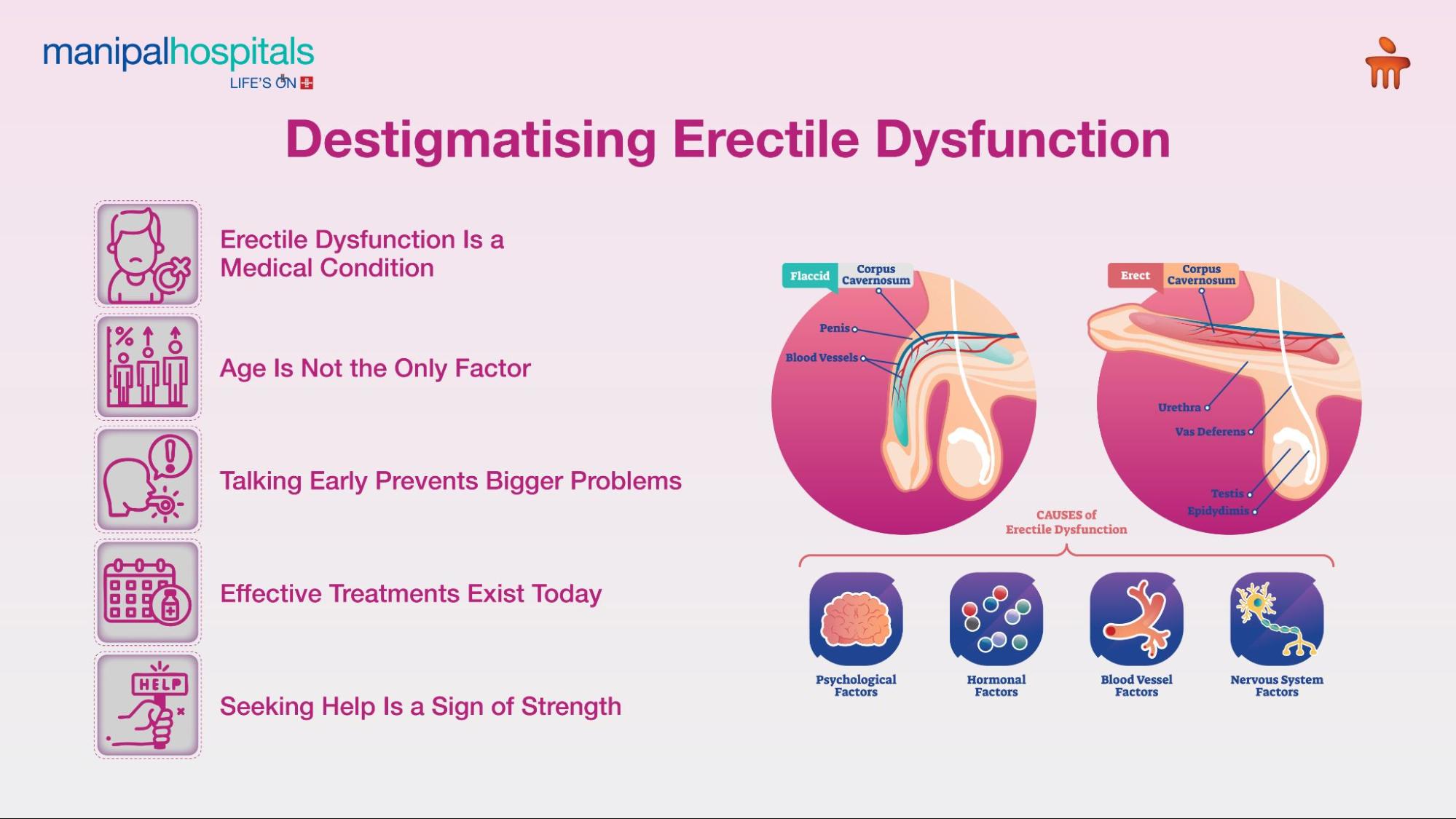
Lifestyle-Related Causes
-
Smoking (increases ED risk by ~1.5 times)
-
Excess alcohol
-
Sedentary behaviour
-
Poor sleep hygiene
Lifestyle modification remains one of the most powerful tools in early-stage erectile dysfunction management.
Erectile Dysfunction in Young Men: A Growing Concern
Erectile dysfunction in young men is no longer rare. High stress levels, excessive screen time, pornography dependency, and sedentary habits contribute significantly.
Unlike older men, erectile dysfunction in young men is often reversible with early intervention. Psychological counselling, lifestyle changes, and targeted medical therapy can dramatically improve outcomes.
Ignoring erectile dysfunction in young men can lead to long-term confidence issues and relationship difficulties, reinforcing the importance of timely care.
Erectile Dysfunction Age: Does It Really Matter?
While erectile dysfunction age trends show increased prevalence after 40, age alone does not define severity or treatment success. Many older men maintain healthy erectile function, while younger men may struggle due to modifiable factors.
Rather than focusing on erectile dysfunction age, modern medicine prioritises:
-
Overall vascular health
-
Hormonal balance
-
Mental wellbeing
-
Lifestyle habits
This personalised approach allows better outcomes at any age.
What Is the Latest Treatment for Erectile Dysfunction?
Patients frequently ask, “What is the latest treatment for erectile dysfunction?” Today’s options are far more advanced than commonly believed.
Management Options: Lifestyle to Advanced Therapies
Management is individualised and aligned with international recommendations such as the American Urological Association and European Association of Urology guidelines.
Lifestyle Optimisation
-
Weight reduction
-
Regular aerobic exercise
-
Glycaemic and blood pressure control
Oral Medications
PDE5 inhibitors such as Tadalafil and Sildenafil improve penile blood flow by enhancing nitric oxide signalling.
Used appropriately and after cardiovascular evaluation, they are highly effective.
Hormonal Therapy
In confirmed hypogonadism, testosterone optimisation improves erectile function and metabolic parameters.
Low-Intensity Shockwave Therapy (Li-ESWT)
In select vasculogenic ED cases, shockwave therapy may enhance vascular responsiveness.
Psychosexual Counselling
Particularly effective in anxiety-dominant ED, after excluding physical causes.
Is Erectile Dysfunction Curable?
A common concern is: Is erectile dysfunction curable?
In many cases, yes.
When the underlying causes are identified early, erectile dysfunction can be:
-
Completely reversible
-
Effectively managed long-term
-
Prevented from worsening
The answer to “Is erectile dysfunction curable?” depends on timely diagnosis, adherence to treatment, and addressing contributing lifestyle factors.
When Should You See an Erectile Dysfunction Doctor?
Consulting an erectile dysfunction doctor is essential if symptoms persist for more than a few weeks. Medical evaluation helps rule out serious conditions and prevents unnecessary anxiety.
An Erectile dysfunction doctor will assess:
-
Blood flow and cardiovascular health
-
Hormonal levels
-
Psychological contributors
-
Medication side effects
Specialist-led care, such as that provided by our urologists in Delhi, ensures evidence-based treatment and long-term sexual wellbeing.
Why Early Treatment Matters
Untreated erectile dysfunction symptoms can affect:
-
Self-esteem
-
Emotional health
-
Relationship satisfaction
-
Overall quality of life
More importantly, erectile dysfunction symptoms may be the first sign of heart disease or diabetes. Early treatment improves not just sexual health, but overall longevity.
Additional Insights: Erectile Dysfunction as a Systemic Health Indicator
Erectile dysfunction symptoms are increasingly recognised as an early marker of broader systemic health issues. Research shows that blood vessel dysfunction often appears in penile arteries before larger arteries, making erectile dysfunction symptoms an early cardiovascular warning sign. This is why clinicians emphasise timely assessment rather than dismissing symptoms as age-related changes.
Men experiencing recurring erectile dysfunction symptoms should also be evaluated for metabolic disorders.
Conditions such as insulin resistance, high cholesterol, and hypertension are closely linked to the causes of erectile dysfunction. Addressing these conditions early not only improves sexual performance but also reduces long-term health risks.
From a preventive perspective, understanding erectile dysfunction age trends helps guide screening strategies but should never replace individualised care. Men of all ages benefit from proactive lifestyle interventions, including regular physical activity, stress management, and balanced nutrition.
These measures positively impact erectile function and overall wellbeing.
Choosing the right erectile dysfunction doctor ensures accurate diagnosis and access to advanced, evidence-based care. Specialist-led evaluation helps distinguish between physical and psychological contributors, allowing targeted treatment plans.
With growing awareness and evolving therapies, men no longer need to suffer in silence, as modern management strategies offer safe, effective, and sustainable solutions for erectile dysfunction across all age groups.
Conclusion
Erectile dysfunction is not an age-defined condition; it is a health signal. Understanding erectile dysfunction symptoms, identifying causes early, and seeking expert care can restore confidence, relationships, and quality of life. Trusted specialists, including our urologists in Delhi, focus on safe, personalised, and medically proven solutions.
FAQ's
No. Many erectile dysfunction symptoms are temporary and reversible with proper diagnosis and treatment.
The most common causes of erectile dysfunction include stress, diabetes, obesity, smoking, and hormonal imbalance.
Erectile dysfunction in young men is often psychological, but physical causes must always be ruled out.
The latest treatment for erectile dysfunction includes shockwave therapy, personalised medications, and lifestyle-based interventions.
Yes. In many cases, erectile dysfunction is curable through lifestyle changes, counselling, and addressing underlying health issues.
Share this article on: