




 7 Min Read
Menopause brings several changes to a woman’s body, but one condition that often goes undiscussed is vaginal atrophy. Many women experience discomfort, dryness, irritation, or painful intimacy after menopause without realising that these symptoms may be linked to vaginal atrophy. Seeking timely medical advice from our gynaecologists in Delhi-NCR can help identify the condition early and improve the quality of life significantly.
The good news is that vaginal atrophy treatment options are highly effective, and women no longer need to suffer in silence. Understanding the causes, recognising the warning signs, and knowing when to seek medical care can make a remarkable difference to long-term vaginal and urinary health.
Synopsis
- What Is Vaginal Atrophy?
- Symptoms of Vaginal Atrophy: Signs You Should Never Ignore
- What Causes Vaginal Atrophy After Menopause?
- Understanding Genitourinary Syndrome of Menopause (GSM)
- How Is Vaginal Atrophy Diagnosed?
- Vaginal Atrophy Treatment: What Are the Most Effective Options?
- Can Vaginal Atrophy Be Reversed?
- Is Vaginal Atrophy Bleeding Normal?
- Natural Remedies for Vaginal Atrophy: Do They Work?
- When Should You See a Specialist?
- Living Comfortably After Menopause
What Is Vaginal Atrophy?
Vaginal atrophy refers to the thinning, drying, and inflammation of the vaginal tissues caused by declining oestrogen levels. It commonly develops after menopause but may also occur following certain cancer treatments, surgical menopause, or conditions that affect hormone production.
Today, healthcare professionals often use the broader term genitourinary syndrome of menopause (GSM) because the condition affects not only the vagina but also the urinary tract.
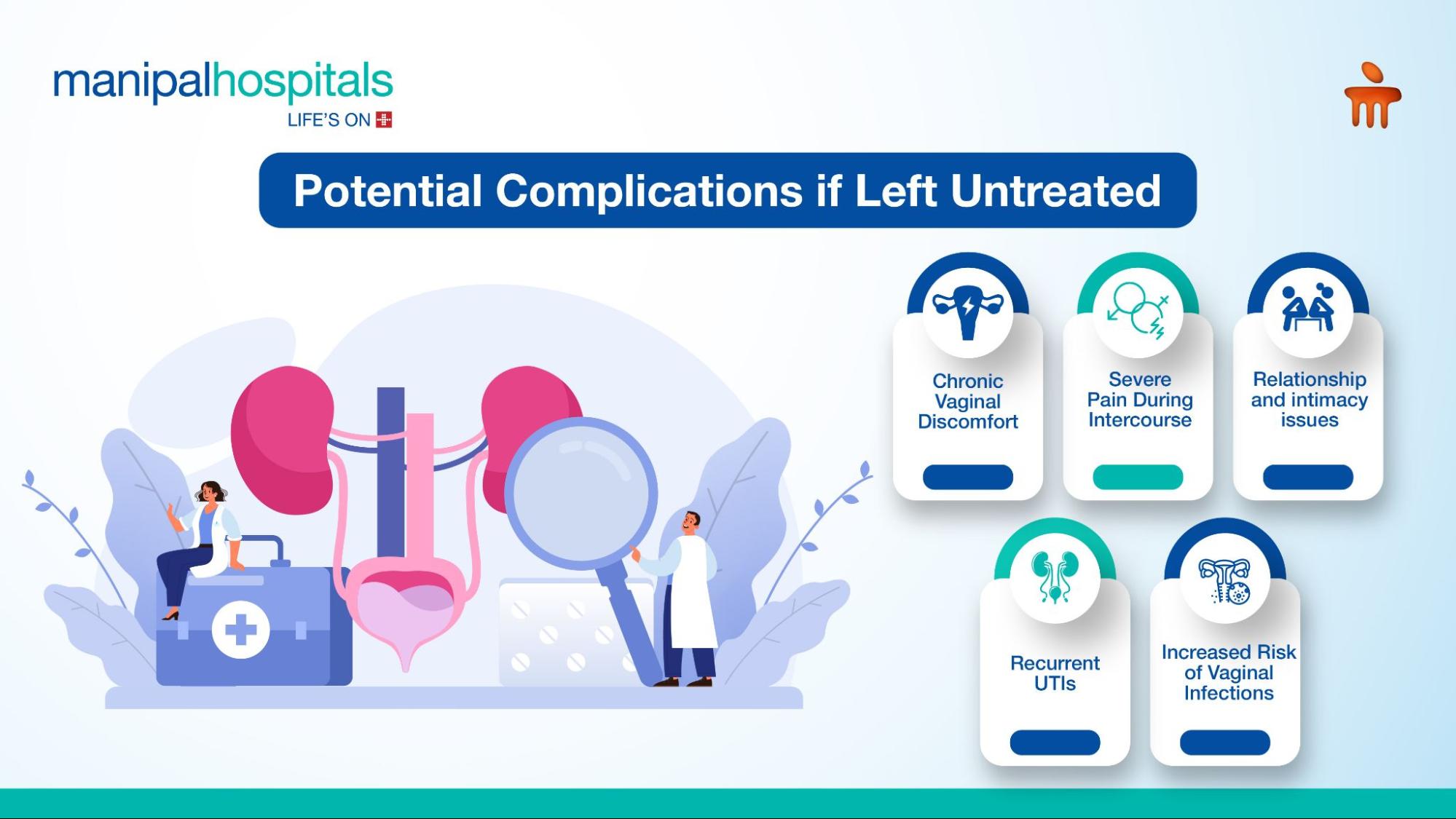
Without treatment, vaginal atrophy can progressively worsen, leading to discomfort during daily activities, intimacy, and even urination.
Symptoms of Vaginal Atrophy: Signs You Should Never Ignore
Recognising the symptoms of vaginal atrophy early allows women to seek treatment before symptoms become severe.
Common symptoms include:
-
Burning sensation in the vagina
-
Vaginal itching
-
Pain or discomfort during sexual intercourse
-
Reduced vaginal lubrication
-
Urinary urgency
-
Painful urination
-
Vaginal tightness
-
Light spotting or vaginal atrophy bleeding
Some women experience only mild dryness, while others may develop significant discomfort that affects their relationships, confidence, and overall wellbeing.
What Causes Vaginal Atrophy After Menopause?
The primary cause of vaginal atrophy is a reduction in oestrogen production.
When oestrogen levels decline:
-
Vaginal tissues become thinner
-
Natural lubrication decreases
-
Elasticity is reduced
-
Blood flow to vaginal tissues diminishes
-
Vaginal pH changes, increasing infection risk
Several factors can increase the likelihood of developing vaginal atrophy, including:
-
Natural menopause
-
Surgical removal of the ovaries
-
Chemotherapy
-
Pelvic radiation therapy
-
Breastfeeding
-
Anti-oestrogen medications
-
Smoking
-
Lack of sexual activity
Women who notice persistent symptoms should consult our gynaecologists in Delhi-NCR for a comprehensive evaluation.
Understanding Genitourinary Syndrome of Menopause (GSM)
The term genitourinary syndrome of menopause encompasses a range of symptoms affecting both the genital and urinary systems due to oestrogen deficiency.
GSM may include:
-
Vaginal dryness
-
Burning and irritation
-
Pain during intercourse
-
Recurrent urinary infections
-
Bladder discomfort
-
Increased urinary frequency
Since these symptoms often overlap with other conditions, accurate diagnosis is essential for effective treatment.
How Is Vaginal Atrophy Diagnosed?
Diagnosis usually involves:
-
Detailed medical history
-
Symptom assessment
-
Pelvic examination
-
Vaginal pH testing
-
Evaluation of urinary symptoms
-
Additional investigations when necessary
Healthcare providers assess tissue changes and rule out infections, skin conditions, or other gynaecological disorders that may cause similar symptoms.
Vaginal Atrophy Treatment: What Are the Most Effective Options?
Modern vaginal atrophy treatment strategies focus on restoring comfort, improving vaginal tissue health, and reducing urinary symptoms.
1. Vaginal Moisturisers and Lubricants
These products help relieve dryness and discomfort.
Benefits include:
-
Improved hydration
-
Enhanced comfort during intimacy
-
Reduction in irritation
Although helpful, they do not reverse the underlying tissue changes associated with vaginal atrophy.
2. Local Oestrogen Therapy
Low-dose vaginal oestrogen is considered one of the most effective treatments.
Available forms include:
-
Vaginal creams
-
Vaginal tablets
-
Vaginal rings
Benefits include:
-
Improved vaginal thickness
-
Increased lubrication
-
Reduced urinary symptoms
-
Better vaginal elasticity
3. HRT for Menopause
HRT for menopause may be recommended for women experiencing broader menopausal symptoms alongside vaginal atrophy.
Benefits of HRT for menopause may include:
-
Relief from hot flushes
-
Better sleep quality
-
Improved mood
-
Reduction in vaginal symptoms
Treatment suitability depends on individual medical history and risk factors.
4. Energy-Based Therapies
Some women may explore laser or radiofrequency therapies. However, these treatments should only be considered after discussing potential benefits and limitations with qualified specialists.
5. Lifestyle Modifications
Healthy habits can support overall vaginal health.
Recommendations include:
-
Staying physically active
-
Avoiding smoking
-
Maintaining adequate hydration
-
Using gentle, fragrance-free hygiene products
-
Engaging in regular sexual activity when appropriate
Can Vaginal Atrophy Be Reversed?
One of the most common questions women ask is: Can vaginal atrophy be reversed?
In many cases, symptoms can be significantly improved, and tissue health can be restored with appropriate treatment. While ageing and menopause cannot be reversed, effective therapies can often reverse many of the physical changes associated with vaginal atrophy.
Therefore, the answer to Can vaginal atrophy be reversed is encouraging: symptoms can often be controlled successfully, especially when treatment begins early.
Is Vaginal Atrophy Bleeding Normal?
Vaginal atrophy bleeding can occur because fragile vaginal tissues become thinner and more prone to irritation.
Women may notice:
-
Light spotting after intercourse
-
Minor bleeding following pelvic examinations
-
Occasional spotting due to tissue fragility
However, any postmenopausal bleeding should always be evaluated promptly. While vaginal atrophy bleeding is often benign, it is important to rule out more serious conditions.
If bleeding occurs, schedule an assessment with our gynaecologists in Delhi-NCR without delay.
Natural Remedies for Vaginal Atrophy: Do They Work?
Many women search for natural remedies for vaginal atrophy before considering medical treatment.
Potential supportive measures include:
-
Regular sexual activity
-
Pelvic floor exercises
-
Staying hydrated
-
Avoiding irritants and harsh soaps
-
Maintaining a healthy diet
While some natural remedies for vaginal atrophy may provide symptom relief, they generally do not restore vaginal tissue as effectively as hormone-based treatments. Professional guidance remains important for persistent symptoms.
When Should You See a Specialist?
You should seek medical advice if you experience:
-
Persistent vaginal dryness
-
Pain during intimacy
-
Recurrent urinary infections
-
Burning or irritation
-
Postmenopausal spotting
-
Urinary urgency or discomfort
Early diagnosis often leads to better outcomes and prevents symptoms from worsening. Our dedicated women's health specialist in Delhi-NCR can help determine the most suitable treatment plan based on your individual needs.
Living Comfortably After Menopause
Many women mistakenly believe that vaginal discomfort is an unavoidable part of ageing. In reality, vaginal atrophy is a treatable medical condition. Modern therapies can restore comfort, improve intimacy, and enhance overall quality of life.
With timely diagnosis and personalised care from our gynaecologists trin Delhi-NCR, women can manage symptoms effectively and maintain long-term vaginal health after menopause.
FAQ's
Early symptoms often include vaginal dryness, burning, reduced lubrication, discomfort during intercourse, and mild urinary symptoms.
Natural approaches may provide symptom relief, but significant tissue restoration usually requires medical treatment. Women wondering whether Can vaginal atrophy be reversed should discuss evidence-based treatment options with their doctor.
Yes. HRT for menopause can help improve vaginal symptoms, particularly when vaginal atrophy occurs alongside other menopausal symptoms.
Although vaginal atrophy bleeding is commonly caused by fragile vaginal tissues, all postmenopausal bleeding should be evaluated to exclude other conditions.
The most appropriate vaginal atrophy treatment depends on symptom severity, medical history, and individual preferences. Local vaginal oestrogen therapy remains one of the most effective treatment options for many women.
Share this article on:


--The-Infection-That-Can-Silently-Damage-Fertility.webp "Pelvic inflammatory disease treatments")





