6 Min Read
Heart emergencies can escalate within minutes, and among the most dangerous is cardiogenic shock, a life-threatening condition where the heart suddenly cannot pump enough blood to meet the body’s needs. Without immediate medical attention, cardiogenic shock can rapidly lead to organ failure and death.
Understanding the causes of cardiogenic shock, recognising early warning signs, and seeking prompt treatment can significantly improve survival outcomes. This guide explains everything you need to know about cardiogenic shock symptoms, risk factors, diagnosis, and emergency management.
Synopsis
- What Is Cardiogenic Shock?
- Causes of Cardiogenic Shock
- Cardiogenic Shock Symptoms You Should Never Ignore
- How Cardiogenic Shock Affects the Body
- Who Is at Higher Risk of Cardiogenic Shock?
- How Cardiogenic Shock Is Diagnosed
- Cardiogenic Shock Treatment: Emergency Management That Saves Lives
- Recovery After Cardiogenic Shock
- Can Cardiogenic Shock Be Prevented?
- When Should You Seek Emergency Medical Help?
- Final Thoughts
What Is Cardiogenic Shock?
Cardiogenic shock occurs when the heart becomes too weak to circulate adequate blood throughout the body. As oxygen delivery drops, vital organs such as the kidneys, brain, and liver begin to fail.
Most cases of cardiogenic shock occur after a severe heart attack, although other cardiac conditions may also trigger it. Cardiogenic shock is considered a medical emergency and requires immediate hospitalisation.
Causes of Cardiogenic Shock
Understanding the causes of cardiogenic shock is crucial for early intervention. The condition usually develops when the heart muscle becomes severely damaged and can no longer pump efficiently.
Common Cardiogenic Shock Causes
1. Severe Heart Attack (Myocardial Infarction)
The most common among all cardiogenic shock causes is a major heart attack that damages the left ventricle — the heart’s main pumping chamber.
2. Heart Failure
Advanced heart failure weakens the heart muscle over time and may eventually result in cardiogenic shock.
3. Dangerous Heart Rhythm Disorders
Abnormal heart rhythms such as ventricular tachycardia or ventricular fibrillation can disrupt effective blood circulation.
4. Myocarditis
Inflammation of the heart muscle due to infections or autoimmune diseases may impair pumping ability.
5. Valve Problems
Severe valve dysfunction can reduce blood flow and trigger cardiogenic shock.
6. Pulmonary Embolism
A large blood clot in the lungs can place sudden pressure on the heart.
7. Cardiomyopathy
Diseases that enlarge or stiffen the heart muscle can significantly increase the risk of cardiogenic shock.
If you have an underlying cardiac disease, regular monitoring by our cardiologists in Delhi-NCR can help identify complications before they become critical.
Cardiogenic Shock Symptoms You Should Never Ignore
Early recognition of cardiogenic shock symptoms can save lives. Symptoms often appear suddenly and worsen rapidly.
Common Cardiogenic Shock Symptoms
-
Severe chest pain or pressure
-
Rapid breathing or breathlessness
-
Cold, clammy skin
-
Weak or rapid pulse
-
Sudden confusion or altered mental state
-
Extreme weakness or fatigue
-
Bluish lips or fingertips
-
Reduced urination
-
Excessive sweating
Some patients may experience warning signs hours before full-blown cardiogenic shock develops. Immediate emergency care is essential if these symptoms appear.
How Cardiogenic Shock Affects the Body
When cardiogenic shock develops, blood circulation drops sharply. As organs stop receiving oxygen-rich blood, the body enters a dangerous cycle of deterioration.
Effects on Major Organs
Brain
Reduced blood supply may cause confusion, dizziness, or loss of consciousness.
Kidneys
Kidney function declines rapidly due to poor circulation.
Lungs
Fluid may accumulate in the lungs, causing severe breathlessness.
Liver
The liver may sustain damage due to oxygen deprivation.
Without rapid treatment, multiple organ failure can occur within hours.
Who Is at Higher Risk of Cardiogenic Shock?
Certain individuals have a significantly higher risk of developing cardiogenic shock.
Major Risk Factors
-
Previous heart attack
-
Coronary artery disease
-
Diabetes
-
High blood pressure
-
Smoking
-
Obesity
-
Advanced age
-
Chronic kidney disease
-
Severe heart failure
Routine cardiac evaluations by our cardiologists in Delhi-NCR may help detect high-risk conditions early.
How Cardiogenic Shock Is Diagnosed
Doctors diagnose cardiogenic shock through a combination of clinical examination, imaging, and emergency cardiac testing.
Common Diagnostic Tests
Electrocardiogram (ECG)
Checks electrical activity and identifies heart attacks or rhythm abnormalities.
Echocardiogram
Evaluates heart pumping function and valve abnormalities.
Blood Tests
Detect cardiac damage markers and organ dysfunction.
Chest X-ray
Assesses fluid accumulation in the lungs.
Coronary Angiography
Identifies blocked coronary arteries.
Early diagnosis plays a critical role in improving survival rates.
Cardiogenic Shock Treatment: Emergency Management That Saves Lives
Immediate cardiogenic shock treatment focuses on restoring blood flow, stabilising blood pressure, and treating the underlying cause.
Emergency Cardiogenic Shock Treatment Options
1. Oxygen Therapy
Patients receive oxygen support to improve tissue oxygenation.
2. Medications
Doctors may use medications to:
-
Increase heart-pumping strength
-
Raise blood pressure
-
Prevent blood clots
-
Reduce strain on the heart
3. Angioplasty and Stenting
Blocked coronary arteries may be opened urgently to restore the blood supply.
4. Mechanical Circulatory Support
Devices such as intra-aortic balloon pumps or ventricular assist devices may temporarily support circulation.
5. Surgery
In severe cases, bypass surgery or valve repair may be required.
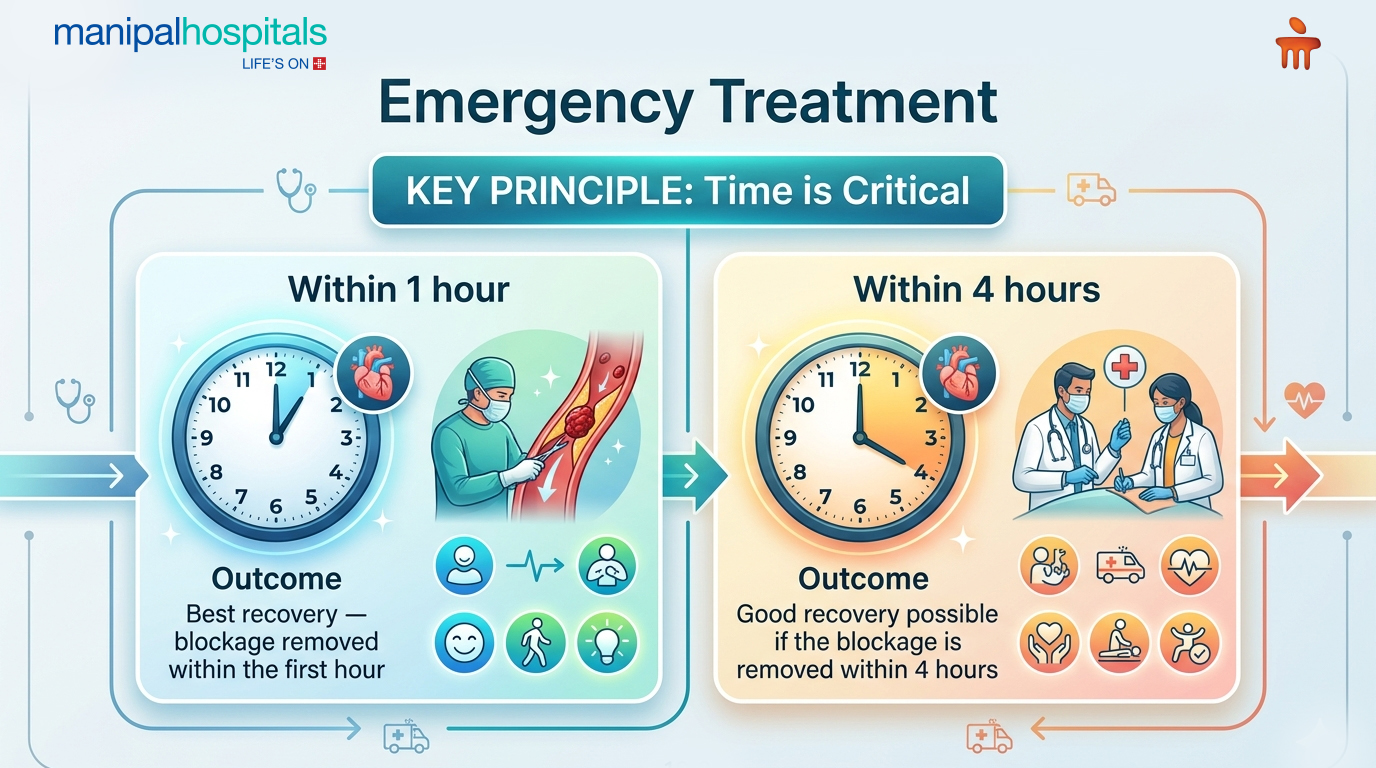
Prompt cardiogenic shock treatment significantly increases survival chances and reduces long-term complications.
For emergency cardiac care, our heart specialist in Delhi-NCR can evaluate complex heart conditions and guide immediate intervention strategies.
Recovery After Cardiogenic Shock
Recovery from cardiogenic shock depends on:
-
How quickly did treatment begin
-
Severity of heart damage
-
Existing medical conditions
-
Age and overall health
Recovery May Include
-
Cardiac rehabilitation
-
Lifestyle modifications
-
Long-term medications
-
Dietary changes
-
Regular cardiac follow-up
Close monitoring by our cardiologists in Delhi-NCR is essential during the recovery phase to prevent recurrence and optimise heart function.
Can Cardiogenic Shock Be Prevented?
While not all cases are preventable, controlling heart disease risk factors greatly reduces the likelihood of cardiogenic shock.
Prevention Tips
-
Control blood pressure and diabetes
-
Stop smoking
-
Exercise regularly
-
Follow a heart-healthy diet
-
Manage cholesterol levels
-
Seek immediate treatment for chest pain
-
Attend regular cardiac screenings
Preventive care and early heart disease management by our cardiologists at Manipal Hospitals in Delhi-NCR can lower the risk of severe cardiac emergencies.
When Should You Seek Emergency Medical Help?
Seek urgent medical attention immediately if you experience:
-
Severe chest pain
-
Sudden breathlessness
-
Fainting
-
Extreme weakness
-
Rapid heartbeat
-
Confusion or collapse
Cardiogenic shock progresses quickly and should never be ignored.
Final Thoughts
Cardiogenic shock is one of the most severe cardiac emergencies and requires immediate medical intervention. Recognising early symptoms, understanding the causes of cardiogenic shock, and accessing emergency treatment promptly can make the difference between life and death.
With timely diagnosis, advanced critical care, and expert cardiac management, many patients can recover and regain quality of life. Awareness remains the first and most important step towards survival.
FAQ's
The most common cause of cardiogenic shock is a severe heart attack that damages the heart muscle and reduces its pumping ability.
Early cardiogenic shock symptoms include chest pain, breathlessness, cold skin, rapid heartbeat, confusion, and low blood pressure.
Yes, cardiogenic shock can be fatal without immediate treatment. However, early diagnosis and emergency intervention improve survival rates significantly.
Cardiogenic shock treatment may include oxygen therapy, medications, angioplasty, mechanical heart support devices, and surgery, depending on severity.
Many patients recover with timely treatment, rehabilitation, lifestyle changes, and ongoing cardiac care.
Share this article on:


--What-This-ECG-Finding-Means-for-Your-Heart-Health.webp "left bundle branch block")