7 Min Read
Cancer that spreads within the abdominal cavity is often challenging to treat with conventional therapies alone. However, advancements in surgical oncology have transformed outcomes for many patients. One such breakthrough is HIPEC Surgery, an advanced procedure that combines extensive tumour removal with heated chemotherapy delivered directly into the abdomen.
For selected patients with stomach and colon cancers, HIPEC Surgery offers renewed hope by targeting microscopic cancer cells more effectively than standard therapies. In this blog, we explain how the procedure works, who may benefit from it, possible risks, recovery expectations, and why early specialist evaluation matters.
Synopsis
- What Is HIPEC Surgery?
- When Is HIPEC Surgery Recommended?
- HIPEC Surgery for Colon Cancer: Why It Is Gaining Attention
- Can HIPEC Surgery Help in Stomach Cancer Treatment?
- Why HIPEC Surgery Is Considered in Stomach Cancer Treatment
- How Is HIPEC Surgery Performed?
- Benefits of HIPEC Surgery
- Risks and Possible Complications of HIPEC Surgery
- HIPEC Surgery Recovery: What Patients Should Expect
- Who Is a Suitable Candidate for HIPEC Surgery?
- Why Early Evaluation Matters in Colon and Stomach Cancer
- Conclusion
What Is HIPEC Surgery?
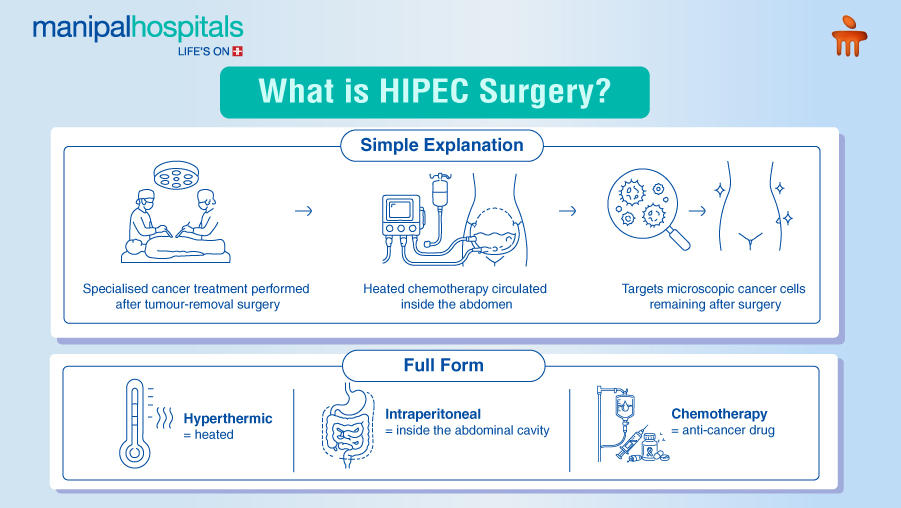
HIPEC Surgery stands for Hyperthermic Intraperitoneal Chemotherapy. It is a specialised cancer treatment performed immediately after tumour-removal surgery within the abdominal cavity.
The procedure involves two major steps:
-
Cytoreductive surgery – visible tumours are surgically removed from affected abdominal organs and tissues.
-
Heated chemotherapy circulation – warmed chemotherapy drugs are circulated inside the abdomen to destroy remaining microscopic cancer cells.
Unlike standard intravenous chemotherapy, HIPEC Surgery delivers chemotherapy directly to the affected area. The heat enhances the effectiveness of the drugs while reducing systemic exposure.
Today, HIPEC Surgery is increasingly considered for carefully selected patients with abdominal cancers, particularly advanced colon and stomach cancers.
When Is HIPEC Surgery Recommended?
Doctors may recommend HIPEC Surgery when cancer has spread to the lining of the abdomen, known as the peritoneum.
It may be considered for:
-
Advanced colon cancer with peritoneal spread
-
Certain stomach cancers
-
Appendiceal cancers
-
Pseudomyxoma peritonei
-
Selected ovarian cancers
-
Peritoneal mesothelioma
Patients are carefully evaluated through imaging, biopsy findings, and overall health assessment before undergoing HIPEC Surgery.
Our oncologists in Delhi assess each case individually to determine whether the procedure may improve long-term disease control and survival outcomes.
HIPEC Surgery for Colon Cancer: Why It Is Gaining Attention
Understanding HIPEC Surgery for Colon Cancer
Traditional colon cancer surgery primarily removes the tumour from the bowel. However, when cancer cells spread within the abdomen, standard surgery alone may not eliminate microscopic disease.
This is where HIPEC surgery for colon cancer has shown significant promise.
After removing all visible cancer deposits, heated chemotherapy is delivered directly into the abdominal cavity. This approach allows higher concentrations of chemotherapy to reach affected tissues while minimising damage to other organs.
Potential Benefits of HIPEC Surgery for Colon Cancer
Research suggests that HIPEC surgery for colon cancer may offer several advantages in appropriately selected patients:
-
Improved local cancer control
-
Reduced recurrence within the abdomen
-
Targeted destruction of microscopic cancer cells
-
Enhanced effectiveness due to heat-assisted chemotherapy
-
Potential improvement in survival outcomes
Because the treatment is highly specialised, patients should undergo evaluation at centres experienced in advanced gastrointestinal oncology and complex abdominal cancer surgery.
Our oncologists in Delhi use multidisciplinary assessment protocols to determine suitability for HIPEC surgery for colon cancer based on disease spread, patient fitness, and expected treatment response.
Can HIPEC Surgery Help in Stomach Cancer Treatment?
Advanced Approaches in Stomach Cancer Treatment
Certain advanced stomach cancers may spread to the abdominal lining, making treatment more complex. In such cases, HIPEC Surgery may be incorporated into a broader stomach cancer treatment strategy.
For selected patients, combining tumour-removal surgery with heated chemotherapy may help reduce residual cancer burden within the abdomen.
Why HIPEC Surgery Is Considered in Stomach Cancer Treatment
Possible advantages include:
-
Better control of peritoneal disease
-
Reduction of microscopic residual cancer
-
More targeted chemotherapy delivery
-
Potential extension of disease-free survival in selected patients
Not every patient with stomach cancer is eligible for HIPEC Surgery. Careful staging and expert evaluation remain essential.
Our cancer doctor in Delhi may recommend advanced diagnostic evaluation to determine whether HIPEC Surgery can be safely integrated into an individualised stomach cancer treatment plan.
How Is HIPEC Surgery Performed?
Step 1: Cytoreductive Surgery
The surgeon removes all visible tumours from the abdominal cavity. Depending on the extent of the disease, parts of affected organs or tissues may also require removal.
Step 2: Heated Chemotherapy Delivery
Once tumour removal is complete, heated chemotherapy drugs are circulated throughout the abdomen for approximately 60–90 minutes.
The chemotherapy solution is typically heated to 41–43°C because elevated temperatures enhance penetration and efficacy in cancer cells.
Step 3: Completion of Surgery
After chemotherapy circulation, the solution is drained, and the surgical incisions are closed.
The duration of HIPEC Surgery varies depending on tumour spread and surgical complexity.
Benefits of HIPEC Surgery
For carefully selected patients, HIPEC Surgery may provide several important advantages.
Targeted Chemotherapy Delivery
Unlike intravenous chemotherapy, the treatment directly reaches cancer-affected abdominal tissues.
Higher Drug Concentration at the Tumour Site
Heated chemotherapy can be administered at higher local concentrations while limiting whole-body exposure.
Enhanced Cancer Cell Destruction
Heat improves chemotherapy absorption and weakens cancer cells.
Reduced Risk of Peritoneal Recurrence
HIPEC surgery for colon cancer may reduce recurrence within the abdominal cavity after tumour removal.
Potential Survival Improvement
Several studies suggest improved outcomes in selected patients undergoing comprehensive treatment with HIPEC Surgery.
Our oncologists in Delhi often emphasise the importance of early referral because timely intervention can significantly influence treatment possibilities and outcomes.
Risks and Possible Complications of HIPEC Surgery
Like all major cancer procedures, HIPEC Surgery carries certain risks.
Possible complications may include:
-
Bleeding
-
Infection
-
Blood clots
-
Temporary digestive dysfunction
-
Fatigue
-
Kidney complications
-
Chemotherapy-related side effects
Because the procedure is extensive, recovery may be longer compared to conventional colon cancer surgery.
However, careful patient selection and experienced surgical teams help minimise complications.
HIPEC Surgery Recovery: What Patients Should Expect
Immediate Recovery After HIPEC Surgery
Patients typically spend several days in intensive monitoring following surgery. Hospital stays may range from one to three weeks depending on surgical complexity and recovery progress.
Common Symptoms During HIPEC Surgery Recovery
Patients may experience:
-
Fatigue
-
Reduced appetite
-
Abdominal discomfort
-
Temporary bowel irregularities
-
Weakness
-
Gradual recovery occurs over several weeks to months.
Tips for Smoother HIPEC Surgery Recovery
To support healing after HIPEC Surgery, patients are often advised to:
-
Follow nutritional guidance carefully
-
Maintain gradual physical activity
-
Attend regular follow-up appointments
-
Monitor for signs of infection
-
Stay hydrated
-
Adhere to prescribed medications
The overall duration of HIPEC surgery recovery varies from person to person, depending on age, health condition, disease extent, and treatment response.
Our oncologists in Delhi closely monitor patients throughout HIPEC surgery recovery to ensure optimal healing and long-term follow-up care.
Who Is a Suitable Candidate for HIPEC Surgery?
Not every patient with abdominal cancer is eligible for HIPEC Surgery.
-
Doctors typically consider factors such as:
-
Extent of cancer spread
-
Overall physical fitness
-
Organ function
-
Ability to tolerate major surgery
-
Likelihood of achieving complete tumour removal
Early diagnosis and specialist evaluation remain crucial in identifying suitable candidates.
Why Early Evaluation Matters in Colon and Stomach Cancer
Symptoms of abdominal cancers are often vague in the early stages. Delayed diagnosis may reduce treatment options.
Warning signs that require medical attention include:
-
Persistent abdominal pain
-
Unexplained weight loss
-
Blood in stool
-
Bloating
-
Persistent indigestion
-
Changes in bowel habits
-
Loss of appetite
-
Ongoing fatigue
Timely consultation can help determine whether advanced therapies such as HIPEC Surgery may be beneficial.
Conclusion
HIPEC Surgery has emerged as a promising treatment option for selected patients with advanced abdominal cancers, especially those involving the peritoneum from stomach or colon cancer.
By combining aggressive tumour removal with heated chemotherapy, HIPEC Surgery aims to improve local cancer control and potentially enhance long-term outcomes.
Although the procedure is complex and requires specialised expertise, appropriate patient selection and multidisciplinary care can significantly influence success rates and recovery outcomes.
If you or a loved one has been diagnosed with advanced abdominal cancer, seeking timely expert evaluation can help explore all available treatment options, including advanced procedures such as HIPEC surgery for colon cancer and integrated stomach cancer treatment approaches.
FAQ's
HIPEC Surgery is commonly used for cancers that spread within the abdominal cavity, including colon cancer, stomach cancer, appendiceal cancer, ovarian cancer, and peritoneal mesothelioma.
Yes. HIPEC Surgery includes heated chemotherapy delivered directly into the abdomen after tumour-removal surgery.
HIPEC surgery recovery varies between patients. Initial recovery may take several weeks, while complete healing can require several months.
For selected patients, HIPEC surgery for colon cancer may improve local disease control and reduce recurrence within the abdomen.
Like all major cancer procedures, HIPEC Surgery carries risks. However, experienced surgical teams and proper patient selection help improve safety and outcomes.
Share this article on: