




 9 Min Read
Experiencing a burning sensation in your chest can be alarming, but for many, it's a familiar discomfort known as heartburn. Far more than just an inconvenience, heartburn is a common digestive issue that can significantly impact daily life, often mistaken for more serious conditions. This comprehensive guide from Manipal Hospitals aims to demystify heartburn, exploring its root causes, common heartburn symptoms, and effective strategies for management. Whether you're seeking relief for occasional discomfort, managing heartburn during pregnancy, or looking for reliable home remedies for heartburn, understanding this condition is the first step towards a healthier, more comfortable you. Let’s dive into what exactly causes this burning sensation and how to effectively address it.
Synopsis
- What Exactly is Heartburn?
- The Mechanism Behind Heartburn
- Understanding Heartburn Symptoms
- Causes and Triggers of Heartburn
- Lifestyle and Other Risk Factors for Heartburn:
- Heartburn During Pregnancy: A Common Concern
- Managing Heartburn During Pregnancy Safely:
- Nutritional Strategies for Managing Heartburn
- Home Remedies for Heartburn Relief
- Risks and Complications of Chronic Heartburn
- Expert Advice and When to See a Doctor
- Consult a Doctor If You Experience:
- Conclusion
What Exactly is Heartburn?
Heartburn, often described as a burning sensation in the chest, is a very common digestive complaint. This discomfort typically arises when stomach acid flows back into the oesophagus, the tube connecting your mouth to your stomach. While the stomach lining is designed to withstand strong acids, the oesophagus is not, leading to irritation and the characteristic feeling of heartburn. Millions in India and worldwide experience heartburn at least once a month, highlighting its widespread prevalence. Understanding the underlying causes of heartburn is crucial for effective management and preventing further discomfort associated with heartburn. Many individuals mistakenly attribute their chest pain to cardiac issues, but often, it is chronic heartburn.
The Mechanism Behind Heartburn
The lower oesophageal sphincter (LES), a ring of muscle at the junction of the oesophagus and stomach, usually acts as a valve, allowing food to enter the stomach but preventing acid from flowing back up. When this sphincter weakens or relaxes inappropriately, stomach contents, including acid, can reflux into the oesophagus, causing heartburn. This reflux action is the primary reason for the sensation of heartburn. Severe or frequent heartburn can indicate a more serious condition known as gastroesophageal reflux disease (GERD), which impacts approximately 20% of the population.
Understanding Heartburn Symptoms
Recognising typical heartburn symptoms is the first step towards seeking appropriate care for heartburn. The primary heartburn symptoms include a burning pain in the chest, often behind the breastbone, which may worsen after eating, in the evening, or when lying down or bending over. This distinctive chest pain is a key indicator of heartburn.
Common Heartburn Symptoms Include:
-
A burning sensation in the chest, sometimes radiating to the throat or neck, is a classic sign of heartburn.
-
Sour or bitter taste in the back of the throat due to acid reflux, another common heartburn symptom.
-
Difficulty swallowing (dysphagia) or a sensation of food being stuck, which can also be heartburn symptoms.
-
Chronic cough or hoarseness, especially at night, is often linked to persistent heartburn.
-
Regurgitation of food or sour liquid is a clear indication of acid reflux and heartburn.
-
Bloating or nausea, sometimes accompanied by other heartburn symptoms.
It's important not to ignore persistent or severe heartburn symptoms, as they could signal a more serious underlying issue. Identifying these heartburn symptoms early can help in the timely diagnosis and management of heartburn.
Causes and Triggers of Heartburn
Several factors can trigger or worsen heartburn, from lifestyle choices to dietary habits. Understanding these triggers can empower you to make informed decisions to reduce instances of heartburn.
Dietary Triggers for Heartburn:
-
Spicy Foods: Can irritate the oesophagus and stomach, exacerbating heartburn.
-
Fatty or Fried Foods: Take longer to digest, increasing pressure on the LES and leading to heartburn.
-
Citrus Fruits and Juices: Their acidity can trigger heartburn in sensitive individuals.
-
Tomatoes and Tomato-Based Products: High acidity can also contribute to heartburn.
-
Caffeine and Chocolate: Can relax the LES, allowing acid to escape and cause heartburn.
-
Alcohol: Irritates the oesophagus and relaxes the LES, making heartburn more likely.
-
Peppermint: Surprisingly, it can relax the LES and contribute to heartburn.
Lifestyle and Other Risk Factors for Heartburn:
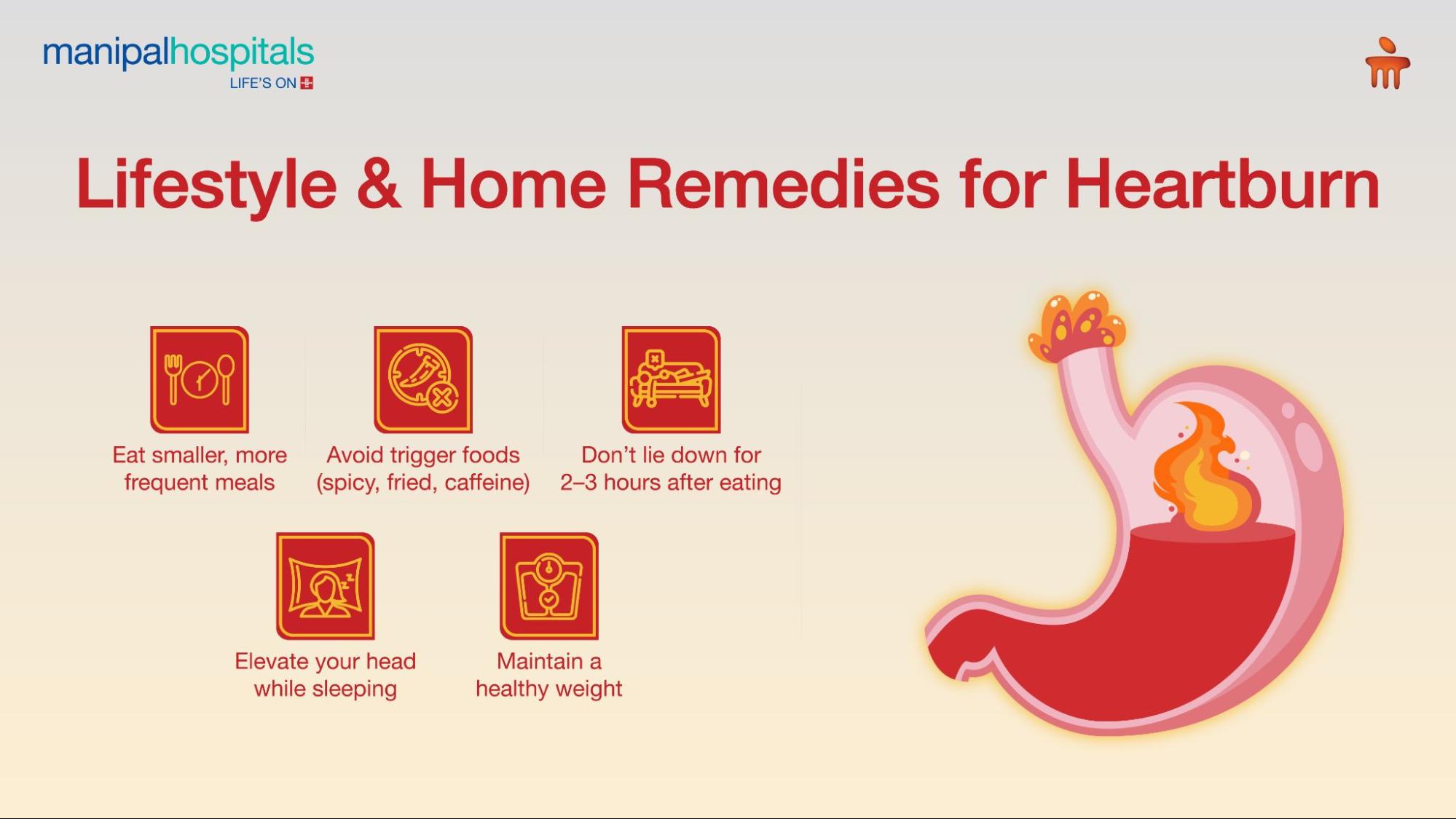
-
Obesity: Excess abdominal fat can put pressure on the stomach, forcing acid upwards, a major cause of heartburn.
-
Smoking: Nicotine relaxes the LES and impairs saliva production, both contributing to heartburn. Studies show smokers are twice as likely to experience heartburn.
-
Large Meals: Overeating can distend the stomach, increasing pressure and promoting heartburn.
-
Eating Before Bed: Lying down after a meal makes it easier for stomach acid to reflux, leading to nocturnal heartburn.
-
Certain Medications: Some drugs, like NSAIDs, can exacerbate heartburn.
-
Hiatal Hernia: A condition where part of the stomach pushes through the diaphragm, making heartburn more frequent.
Heartburn During Pregnancy: A Common Concern
Heartburn during pregnancy is an incredibly common experience, affecting up to 80% of expectant mothers, especially in the later trimesters. This prevalence makes understanding heartburn during pregnancy essential for managing discomfort. The body undergoes significant changes during this period, contributing to increased instances of heartburn during pregnancy. The growing uterus places upward pressure on the stomach, and hormonal shifts, particularly increased progesterone levels, relax the LES, making reflux and heartburn during pregnancy more likely.
Managing Heartburn During Pregnancy Safely:
While heartburn during pregnancy can be bothersome, there are safe strategies to alleviate it without harming the baby. Many home remedies for heartburn can be adapted for heartburn during pregnancy.
-
Smaller, Frequent Meals: Eating smaller portions more often can reduce stomach distension, thereby lessening heartburn during pregnancy.
-
Avoid Triggers: Identifying and avoiding specific foods that cause heartburn during pregnancy is crucial.
-
Stay Upright After Eating: Remain upright for at least an hour after meals to prevent acid reflux, especially important for managing heartburn during pregnancy.
-
Elevate Head While Sleeping: Raising the head of your bed can help keep stomach acid down, offering relief from heartburn during pregnancy.
-
Loose Clothing: Avoid tight clothing around the waist, which can put pressure on the stomach and worsen heartburn during pregnancy.
-
Consult Your Doctor: Always consult your obstetrician before taking any antacids or medications for heartburn during pregnancy.
Managing heartburn during pregnancy effectively ensures comfort for the mother and peace of mind.
Nutritional Strategies for Managing Heartburn
Diet plays a pivotal role in managing heartburn. What you eat, and how you eat it, can significantly impact the frequency and severity of your heartburn. Implementing dietary changes is a primary strategy for alleviating heartburn.
Foods to Embrace for Less Heartburn:
-
High-Fibre Foods: Oatmeal, brown rice, whole-grain bread, and root vegetables can help with digestion and reduce heartburn.
-
Alkaline Foods: Bananas, melons, cauliflower, fennel, and nuts can help neutralise stomach acid and ease heartburn.
-
Lean Proteins: Chicken, turkey, fish, and tofu are less likely to cause heartburn than fatty meats.
-
Healthy Fats: Avocados, olive oil, and flaxseed oil in moderation can be beneficial for managing heartburn.
Foods to Limit or Avoid to Prevent Heartburn:
-
Acidic foods like citrus, tomatoes, and vinegar are notorious triggers for heartburn.
-
Spicy foods, especially those with high chilli content, often lead to increased heartburn.
-
Fried and fatty foods can slow digestion and exacerbate heartburn.
-
Caffeine, chocolate, and peppermint can relax the LES, contributing to heartburn.
-
Alcohol and carbonated beverages can also trigger or worsen heartburn.
Home Remedies for Heartburn Relief
For occasional heartburn, several effective home remedies for heartburn can provide quick relief. These home remedies for heartburn are often the first line of defence against discomfort.
Effective Home Remedies for Heartburn:
-
Baking Soda Solution: A teaspoon of baking soda dissolved in water can neutralise stomach acid, offering temporary relief from heartburn. This is one of the most popular home remedies for heartburn.
-
Ginger Tea: Ginger is known for its anti-inflammatory properties and can soothe an upset stomach, making it a good choice among home remedies for heartburn.
-
Aloe Vera Juice: A natural anti-inflammatory, aloe vera can help calm oesophageal irritation and reduce heartburn.
-
Chewing Gum: Chewing gum increases saliva production, which can help neutralise acid and wash it back down into the stomach, thereby reducing heartburn.
-
Ripe Banana: Its natural antacid properties can provide relief from heartburn.
-
Apple Cider Vinegar (diluted): Though acidic, some find diluted apple cider vinegar helpful for balancing stomach acid and easing heartburn. Always dilute it to avoid irritation.
While these home remedies for heartburn can be beneficial, persistent heartburn symptoms warrant medical attention.
Risks and Complications of Chronic Heartburn
While occasional heartburn is typically harmless, chronic or severe heartburn, especially that linked to GERD, can lead to serious health complications if left untreated.
Long-term exposure of the oesophagus to stomach acid due to repeated heartburn can cause significant damage.
Potential Complications from Persistent Heartburn:
-
Oesophagitis: Inflammation of the oesophagus, which can cause pain and difficulty swallowing, is a direct result of chronic heartburn.
-
Oesophageal Stricture: Repeated damage from heartburn can lead to scar tissue formation, narrowing the oesophagus and causing food to get stuck.
-
Barrett's Oesophagus: A more serious complication where the cells lining the oesophagus change, increasing the risk of oesophageal cancer. Approximately 10-15% of individuals with chronic GERD develop Barrett's Oesophagus.
-
Oesophageal Cancer: While rare, long-standing GERD and Barrett's Oesophagus significantly increase the risk of developing oesophageal adenocarcinoma.
-
Dental Erosion: Stomach acid can erode tooth enamel, leading to dental problems.
-
Chronic Cough and Asthma: Acid reflux from heartburn can trigger or worsen respiratory conditions.
Seeking timely medical advice for persistent heartburn is crucial to prevent these complications.
Expert Advice and When to See a Doctor
While many cases of heartburn can be managed with lifestyle modifications and home remedies for heartburn, it's crucial to know when to seek professional medical advice. If your heartburn symptoms are frequent (more than twice a week), severe, or persist despite trying self-care measures, it’s time to consult a doctor. Persistent heartburn could indicate a more serious underlying condition.
Consult a Doctor If You Experience:
-
Frequent or severe heartburn symptoms that disrupt your daily life or sleep.
-
Difficulty swallowing or pain when swallowing.
-
Unexplained weight loss.
-
Black or bloody stools, or bloody vomit.
-
Chest pain accompanied by shortness of breath, arm pain, or sweating, which could indicate a heart attack (though often confused with severe heartburn). Our expert cardiologists in Delhi can provide clarity on such symptoms.
Conclusion
Symptoms of heartburn during pregnancy that are unmanageable with simple changes.
Early diagnosis and treatment can prevent complications and improve your quality of life, especially for recurrent heartburn. At Manipal Hospitals, our gastroenterology experts are dedicated to providing comprehensive care for all digestive health concerns, including persistent heartburn.
FAQ's
No, occasional heartburn is common and often not serious. However, frequent or severe heartburn symptoms can be a sign of GERD or other underlying conditions that require medical attention. It's important to monitor your heartburn.
While stress doesn't directly cause heartburn, it can exacerbate existing heartburn symptoms and make you more sensitive to pain. Managing stress is part of comprehensive heartburn management.
Low-impact exercises like walking or yoga can aid digestion and weight management, which in turn can reduce heartburn. However, high-impact exercises might worsen heartburn for some individuals by increasing abdominal pressure.
Both can cause chest pain, making differentiation difficult. Heartburn pain is typically burning and localised, often relieved by antacids. Heart attack pain is often described as pressure, squeezing, or fullness, and may radiate to the arm, neck, or jaw. If uncertain, always seek immediate medical help for any chest pain. Our cardiologists in Delhi specialise in diagnosing such conditions.
Many home remedies for heartburn, like dietary changes and elevating the head of the bed, are safe for heartburn during pregnancy. However, always consult your doctor before using any supplements or medications, including over-the-counter antacids, for heartburn during pregnancy.
Share this article on:


--What-This-ECG-Finding-Means-for-Your-Heart-Health.webp "left bundle branch block")





