




 6 Min Read
1.webp "functional dyspepsia")
Do you frequently experience stomach discomfort, bloating, or a feeling of fullness right after eating, even when there's no clear medical explanation? You might be experiencing functional dyspepsia, a common yet often misunderstood condition. At Manipal Hospitals, we understand the frustration and impact these persistent symptoms can have on your daily life. Our expert team is dedicated to providing comprehensive care and effective strategies to help you find lasting relief.
Don't let stomach discomfort control your life. Get expert advice and personalised care.
Synopsis
Understanding Functional Dyspepsia
What is Functional Dyspepsia?
Functional dyspepsia, often referred to as non-ulcer dyspepsia, is a chronic disorder characterised by recurring signs and symptoms of indigestion that lack an identifiable structural or biochemical cause. Unlike other digestive issues like ulcers or acid reflux, endoscopy results in functional dyspepsia patients typically appearing normal. It's a condition rooted in how the brain and gut communicate, leading to altered sensations and movements in the upper digestive tract.
Studies indicate that functional dyspepsia affects a significant portion of the global population, with prevalence rates estimated to be between 10% and 30%. While it doesn't pose a life-threatening risk, its chronic nature significantly impacts quality of life, leading to missed workdays and reduced social engagement.
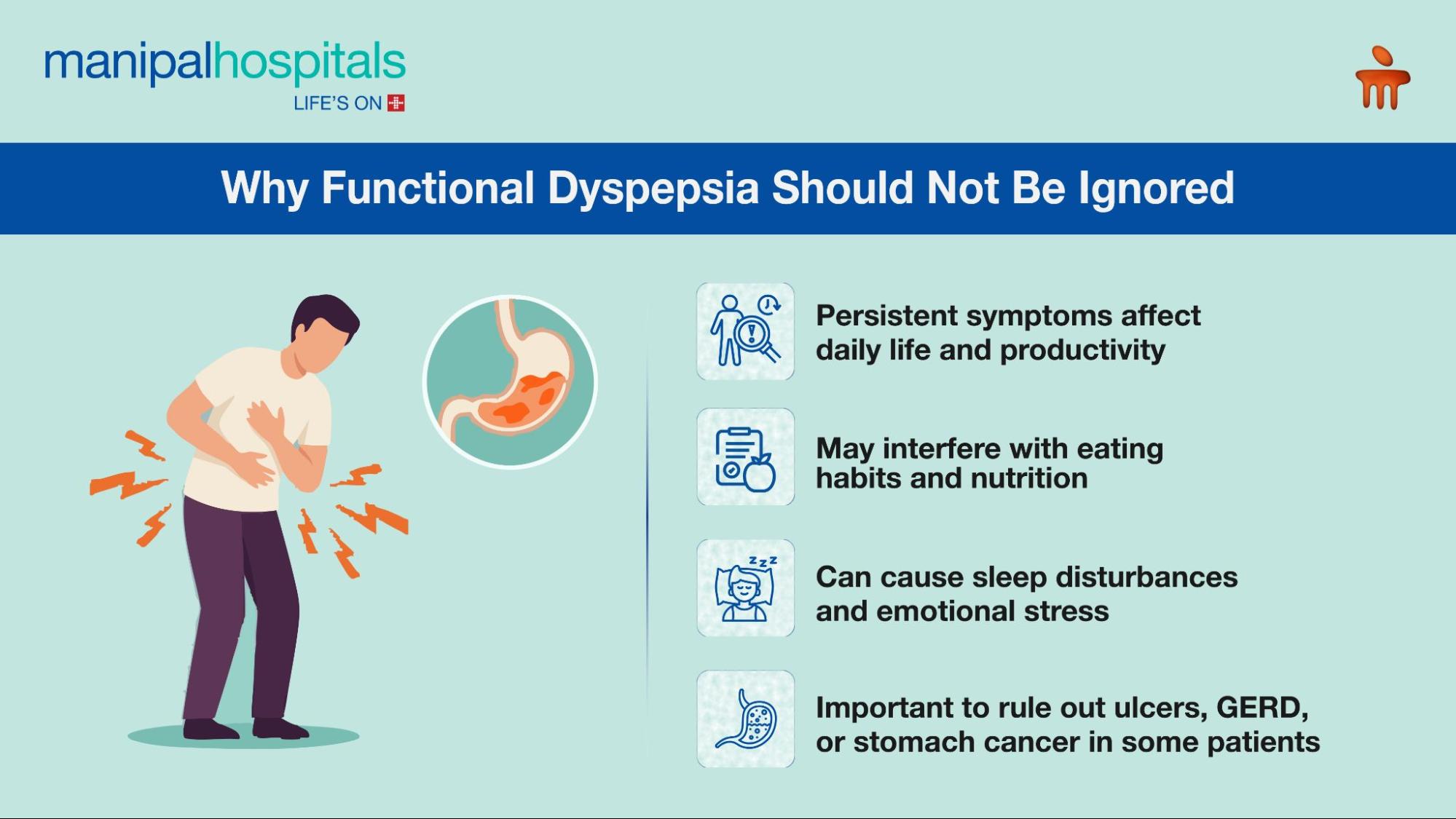
Functional Dyspepsia Symptoms
The symptoms of functional dyspepsia can vary from person to person, but they commonly involve discomfort in the upper abdomen. Recognising these signs is the first step towards seeking appropriate care. The most common functional dyspepsia symptoms include:
-
Epigastric Pain or Burning: A persistent or intermittent pain or burning sensation localised in the upper central part of the abdomen.
-
Postprandial Fullness: Feeling uncomfortably full after eating a normal-sized meal, often more severe than typical satiety.
-
Early Satiety: Feeling full very quickly after starting a meal, making it difficult to finish even a small portion.
-
Bloating: A sensation of abdominal distension, often accompanied by gas.
-
Nausea: A queasy feeling in the stomach, which may or may not lead to vomiting.
-
Loss of Appetite: Due to discomfort or early satiety, some individuals may experience a reduced desire to eat.
These symptoms can be continuous or intermittent, significantly impacting a patient's eating habits and overall well-being. It's important to remember that while these symptoms are common, they warrant medical evaluation to rule out other conditions.
Functional Dyspepsia Causes: Unravelling the Mystery
The exact functional dyspepsia causes are not fully understood, making it a complex condition to pinpoint. However, research points to a combination of factors related to abnormal gut-brain interaction and digestive processes. Potential contributing factors include:
-
Abnormal Gastric Motility: The stomach may empty too slowly (gastroparesis) or too quickly, leading to feelings of fullness and discomfort.
-
Visceral Hypersensitivity: The nerves in the stomach and small intestine may become overly sensitive to normal digestive processes, perceiving them as painful.
-
Dysregulation of the Gut-Brain Axis: The intricate communication pathway between the brain and the gut can be disrupted, affecting digestive function and pain perception.
-
Minor Duodenal Inflammation: Recent studies suggest low-grade inflammation in the first part of the small intestine might play a role in some cases.
-
Psychological Factors: Stress, anxiety, and depression are often linked to the onset or exacerbation of functional dyspepsia symptoms, though they are not considered direct causes.
-
Post-Infectious Dyspepsia: In some cases, symptoms may develop after a stomach infection, suggesting a lingering effect on gut function.
Understanding these potential mechanisms is crucial for developing personalised treatment plans. While a definitive "cure" may not exist, up to 70% of patients report significant improvement in their symptoms with appropriate management strategies tailored to their specific underlying factors.
Diagnosing Functional Dyspepsia
Diagnosing functional dyspepsia is primarily a process of exclusion. This means that our gastroenterologists first rule out other conditions that could cause similar symptoms, such as ulcers, gallstones, or celiac disease. This thorough approach ensures you receive an accurate diagnosis and the most effective treatment. The diagnostic process typically involves:
-
Detailed Medical History and Physical Examination: Our gastroenterologists in Delhi-NCR will ask about your symptoms, medical history, medications, and lifestyle.
-
Blood Tests: To check for anaemia, inflammation, or other systemic issues.
-
Upper Endoscopy: A procedure where a thin, flexible tube with a camera is inserted down your throat to examine your oesophagus, stomach, and duodenum. This is crucial to rule out structural abnormalities or inflammation. Our gastroenterologists in Delhi-NCR perform this procedure with utmost precision and care.
-
Imaging Tests: Such as an ultrasound or CT scan, may be used to check for issues with other organs like the gallbladder or pancreas, though they are less commonly directly indicative of functional dyspepsia.
-
Breath Tests: To check for *Helicobacter pylori* infection, which can cause similar symptoms and requires specific treatment.
Once other conditions are excluded and your symptoms meet specific criteria (like experiencing symptoms for at least three months, with onset at least six months prior), a diagnosis of functional dyspepsia is made. This careful diagnostic journey is essential for effective management.
Functional Dyspepsia Treatment: Finding Relief
The goal of functional dyspepsia treatment is to manage symptoms and improve your quality of life. Since there's no single cause, treatment often involves a multi-pronged approach tailored to your specific symptoms and potential triggers. Our gastroenterologists in Delhi-NCR focus on personalised care, which may include:
-
Dietary Adjustments: Identifying and avoiding trigger foods can significantly alleviate symptoms. Common triggers include fatty foods, spicy foods, caffeine, alcohol, and carbonated beverages. Eating smaller, more frequent meals can also help.
-
Lifestyle Modifications:
-
Stress Management: Techniques like meditation, yoga, mindfulness, and regular exercise can help reduce the impact of stress on your gut.
-
Regular Exercise: Promotes overall digestive health and stress reduction.
-
Adequate Sleep: Essential for overall well-being and can positively impact gut function.
-
-
Pharmacological Approaches: While we cannot mention specific medications, certain types of prescribed therapies aim to reduce acid production, improve stomach emptying, or modulate nerve sensitivity in the gut. These are always prescribed and monitored by our specialists.
-
Psychological Therapies: Gut-directed hypnotherapy or cognitive behavioural therapy (CBT) can be very effective in helping patients manage symptoms by addressing the gut-brain connection.
Many patients experience substantial symptom improvement and enhanced well-being through these comprehensive strategies. Clinical data show that around 85% of individuals with functional dyspepsia achieve meaningful symptom relief within a few months of initiating a tailored treatment plan under expert guidance. Our gastroenterologists in Delhi-NCR are committed to finding the right combination of therapies for you.
If you are experiencing persistent stomach discomfort or any of these symptoms, it's crucial to seek timely medical advice. Book an appointment with our expert gastroenterologists at Manipal Hospitals today.
FAQ's
Functional dyspepsia primarily involves discomfort, pain, or fullness in the upper abdomen, often related to meals. Heartburn (Gastroesophageal Reflux Disease or GERD) is characterised by a burning sensation in the chest, often moving up towards the throat, caused by stomach acid refluxing into the oesophagus. While symptoms can sometimes overlap, their primary locations and mechanisms differ.
No, functional dyspepsia is not known to lead to more serious conditions like cancer or ulcers. It is a functional disorder, meaning there are no structural abnormalities. However, it's crucial to get a proper diagnosis to rule out other conditions that might have more serious implications. Our gastroenterologists in Delhi-NCR ensure a thorough diagnostic process.
Functional dyspepsia is often a chronic condition, meaning symptoms can come and go over a long period. While there's no permanent "cure" in the traditional sense, symptoms can be effectively managed with appropriate lifestyle changes, dietary adjustments, and sometimes specific therapies, leading to long periods of relief. Our team helps you manage it effectively.
While there's no universal diet, common trigger foods include high-fat foods, spicy dishes, caffeine, alcohol, carbonated beverages, and sometimes certain acidic foods. Keeping a food diary can help you identify your personal triggers. Our gastroenterologists in Delhi-NCR can provide personalised dietary advice.
Yes, stress and other psychological factors like anxiety and depression are strongly linked to functional dyspepsia. While they don't directly cause the condition, they can significantly worsen symptoms and influence the gut-brain axis. Effective stress management techniques are often a key part of the treatment plan.
Share this article on:





