6 Min Read
Digestive symptoms such as persistent acidity, bloating, abdominal pain, difficulty swallowing, chronic constipation, unexplained weight loss, or blood in stools should never be ignored. In many cases, doctors recommend an endoscopy procedure to identify the exact cause quickly and accurately.
Despite being one of the most commonly performed diagnostic procedures worldwide, many people still feel anxious before undergoing an endoscopy. Questions such as Is endoscopy painful?, Is endoscopy dangerous? How long is the endoscopy procedure time? are extremely common.
This guide explains everything you need to know about the endoscopy procedure, including preparation, what happens during the test, recovery, risks, benefits, and frequently asked questions.
Synopsis
- What Is an Endoscopy Procedure?
- Why Is an Endoscopy Procedure Done?
- How to Prepare for an Endoscopy Procedure
- What Happens During an Endoscopy Procedure?
- Endoscopy Procedure Time: How Long Does It Take?
- Is Endoscopy Painful?
- Is Endoscopy Dangerous?
- Recovery After an Endoscopy Procedure
- Benefits of an Endoscopy Procedure
- Endoscopy Cost Delhi: What Influences the Price?
- When Should You Consult a Specialist?
What Is an Endoscopy Procedure?
An endoscopy procedure is a minimally invasive medical examination that allows doctors to view the inside of the digestive tract using a thin, flexible tube fitted with a tiny camera and light source called an endoscope.
The procedure helps diagnose conditions affecting the oesophagus, stomach, intestines, colon, and other parts of the gastrointestinal tract. Depending on the symptoms, different types of endoscopy may be advised.
Common Types of Endoscopy Procedure
Upper GI Endoscopy
An upper GI endoscopy examines the oesophagus, stomach, and upper part of the small intestine. It is commonly recommended for:
-
Persistent acidity or GERD
-
Difficulty swallowing
-
Chronic nausea or vomiting
-
Upper abdominal pain
-
Suspected bleeding
Colonoscopy and Endoscopy Procedure
A colonoscopy and endoscopy procedure may sometimes be performed together to examine both the upper and lower digestive tract comprehensively. This combination is often advised in patients with:
-
Chronic diarrhoea
-
Unexplained anaemia
-
Sudden weight loss
-
Suspected inflammatory bowel disease
-
Screening for colorectal cancer
Our gastroenterologists in Delhi-NCR often recommend a combined evaluation when symptoms involve multiple parts of the digestive system.
Why Is an Endoscopy Procedure Done?
The primary purpose of an endoscopy procedure is to diagnose gastrointestinal conditions accurately without the need for major surgery.
Doctors may recommend the procedure to:
-
Detect ulcers or inflammation
-
Diagnose gastritis
-
Identify infections
-
Evaluate digestive bleeding
-
Detect tumours or polyps
-
Investigate chronic abdominal pain
-
Screen for gastrointestinal cancers
-
Perform biopsies
-
Remove small growths or foreign objects
Because the procedure provides direct visualisation, it is considered one of the most reliable diagnostic tools in gastroenterology.
How to Prepare for an Endoscopy Procedure
Proper preparation is essential for obtaining accurate results from an endoscopy procedure.
Before an Upper GI Endoscopy
Patients are generally advised to:
-
Avoid eating for 6–8 hours before the test
-
Stop drinking liquids a few hours beforehand
-
Inform the doctor about medications
-
Discuss allergies or medical conditions
-
Arrange transportation if sedation is used
Before a Colonoscopy and Endoscopy Procedure
Preparation for a colonoscopy and endoscopy procedure usually includes:
-
A liquid diet for a day
-
Bowel-cleansing medications
-
Temporary adjustment of certain medicines
Our gastroenterologists in Delhi-NCR provide detailed pre-procedure instructions to ensure patient comfort and accurate examination results.
What Happens During an Endoscopy Procedure?
Understanding the process can help reduce anxiety before the endoscopy procedure.
Step-by-Step Process
-
The patient changes into a hospital gown.
-
Sedation or a local anaesthetic spray may be administered.
-
The endoscope is gently inserted through the mouth or rectum, depending on the procedure type.
-
Real-time images appear on a monitor for detailed examination.
-
Tissue samples may be collected if necessary.
-
The scope is removed carefully after evaluation.
Most patients remain comfortable throughout the procedure.
Endoscopy Procedure Time: How Long Does It Take?
One of the most searched questions online is regarding the endoscopy procedure time.
The actual duration depends on the type of examination:
-
Upper GI endoscopy: usually 10–20 minutes
-
Colonoscopy: around 30–45 minutes
-
Combined colonoscopy and endoscopy procedure: approximately 45–60 minutes
-
Including preparation and recovery, patients may spend a few hours at the hospital or clinic.
Our gastroenterologists in Delhi-NCR ensure that the process is smooth, safe, and efficiently managed for minimal discomfort.
Is Endoscopy Painful?
Many patients worry about whether the procedure will hurt.
Is Endoscopy Painful?
In most cases, the answer is no. Modern sedation techniques make the endoscopy procedure highly tolerable. Patients may experience:
-
Mild throat irritation
-
Temporary bloating
-
Slight abdominal discomfort
-
Drowsiness after sedation
During an upper GI endoscopy, patients usually feel pressure rather than pain. Colonoscopy may occasionally cause mild cramping due to air introduced into the colon.
Most discomfort resolves within a few hours.
Is Endoscopy Dangerous?
Another major concern patients have is: Is endoscopy dangerous?
Is Endoscopy Dangerous?
The endoscopy procedure is generally considered very safe when performed by experienced specialists. Serious complications are rare.
Possible but uncommon risks include:
-
Bleeding
-
Infection
-
Sedation-related reactions
-
Perforation of the digestive tract
The overall complication rate remains extremely low, especially in accredited centres with advanced equipment and trained specialists.
Our gastroenterology hospital in Delhi-NCR carefully evaluates every patient’s medical history before recommending the procedure to minimise risks further.
Recovery After an Endoscopy Procedure
Recovery after an endoscopy procedure is usually quick.
What to Expect After the Procedure
Patients may experience:
-
Mild throat soreness
-
Temporary bloating
-
Fatigue due to sedation
-
Most individuals can:
-
Resume light meals within hours
-
Return to normal activities by the next day
-
Receive biopsy results within a few days
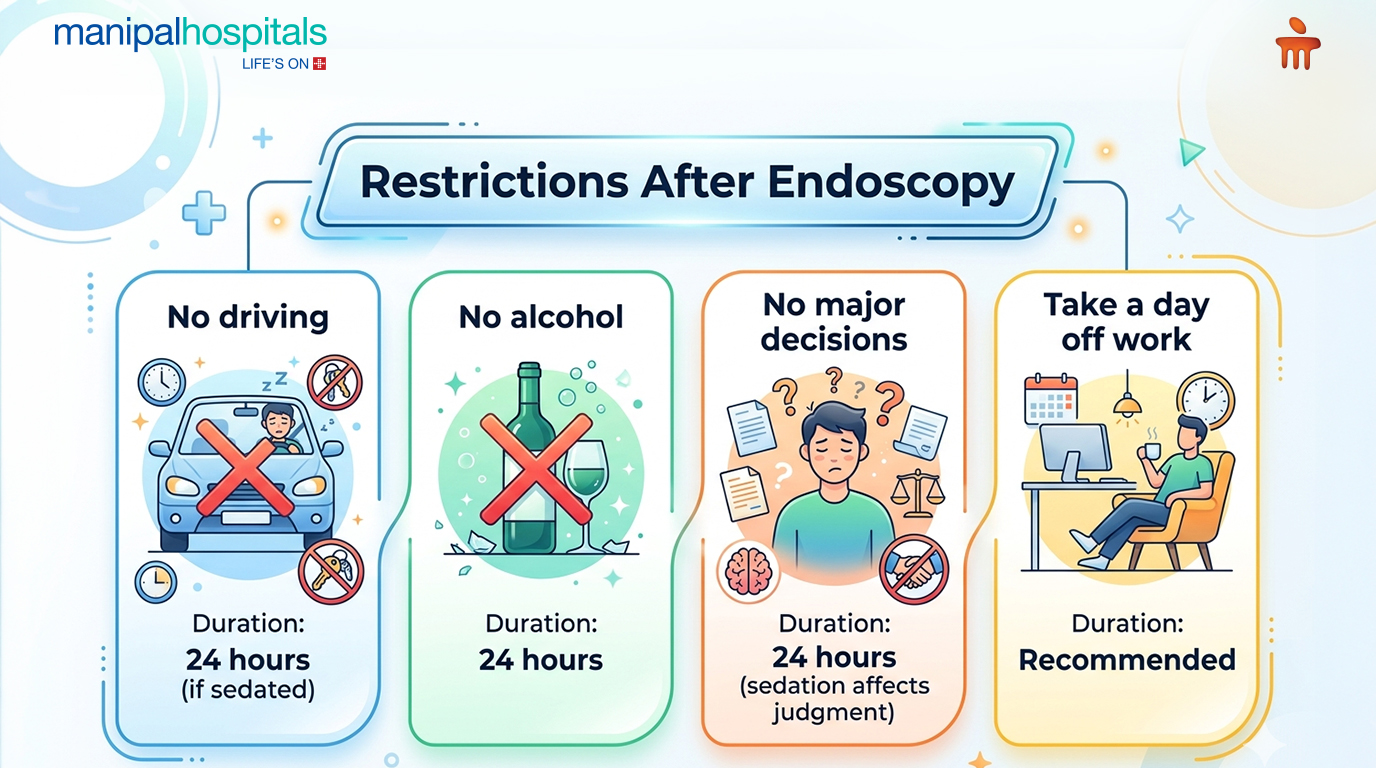
Patients are advised to avoid driving or operating machinery for 24 hours after sedation.
Our gastroenterologists in Delhi-NCR also provide post-procedure dietary guidance and follow-up recommendations based on findings.
Benefits of an Endoscopy Procedure
The endoscopy procedure offers several major advantages:
-
Minimally invasive
-
Highly accurate diagnosis
-
Faster recovery
-
Early disease detection
-
Ability to perform biopsies instantly
-
Reduced need for surgery
-
Effective cancer screening
Early diagnosis through timely endoscopy can significantly improve treatment outcomes in gastrointestinal diseases.
Endoscopy Cost Delhi: What Influences the Price?
The endoscopy cost Delhi patients may encounter can vary depending on several factors:
-
Type of endoscopy
-
Hospital infrastructure
-
Sedation requirements
-
Specialist expertise
-
Biopsy or additional interventions
-
Combined colonoscopy and endoscopy procedure
Patients should prioritise quality, safety standards, and specialist experience rather than selecting solely based on pricing.
When Should You Consult a Specialist?
You should seek medical evaluation if you experience:
-
Persistent acidity
-
Difficulty swallowing
-
Blood in stools
-
Chronic constipation or diarrhoea
-
Unexplained weight loss
-
Frequent vomiting
-
Severe abdominal pain
-
Persistent bloating
Early evaluation can prevent complications and support timely treatment.
FAQ's
Most patients experience little to no pain during the endoscopy procedure due to sedation and modern techniques. Mild discomfort or bloating may occur temporarily afterwards.
The endoscopy procedure is generally very safe. Serious complications are rare when performed by experienced gastroenterologists.
An upper GI endoscopy usually takes 10–20 minutes, while a colonoscopy and endoscopy procedure together may take around 45–60 minutes.
Yes, patients can usually resume eating within a few hours unless instructed otherwise by the doctor.
An upper GI endoscopy can help diagnose ulcers, gastritis, acid reflux, tumours, infections, bleeding, and swallowing disorders.
Share this article on:


1.webp "functional dyspepsia")