7 Min Read
--The-Infection-That-Can-Silently-Damage-Fertility.webp "Pelvic inflammatory disease treatments")
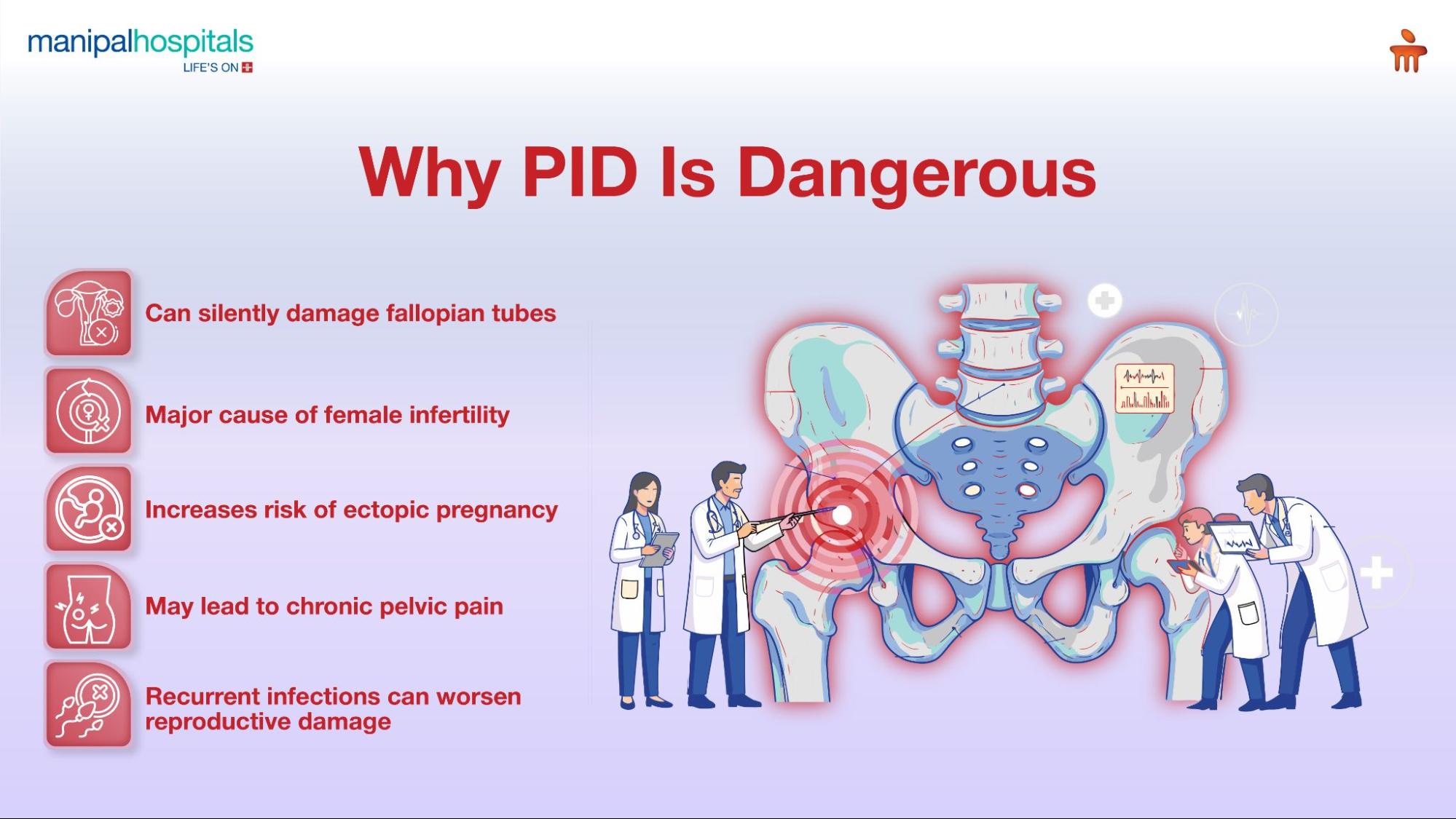
Pelvic Inflammatory Disease (PID) is a silent threat to women's reproductive health, often progressing unnoticed until it causes significant damage. This infection of the female reproductive organs – including the uterus, fallopian tubes, and ovaries – can lead to infertility, chronic pelvic pain, and ectopic pregnancy if not detected and treated promptly. At Manipal Hospitals, our commitment is to provide advanced care, and we're proud to report that when treated promptly, over 90% of women with PID recover fully without long-term complications, a testament to our expert care and early intervention strategies.
Understanding PID is the first step towards protecting your fertility and overall well-being. This comprehensive guide will shed light on Pelvic inflammatory disease causes, symptoms, diagnosis, and crucial Pelvic inflammatory disease treatments available.
Synopsis
Understanding Pelvic Inflammatory Disease (PID)
What is PID?
Pelvic Inflammatory Disease is an infection that spreads from the vagina or cervix to the upper reproductive tract. It's most commonly caused by sexually transmitted bacteria, though other bacteria can also be responsible. The infection can lead to inflammation and scarring, particularly in the fallopian tubes, which are vital for conception. Early intervention is key, as delayed treatment can lead to irreversible damage.
Pelvic Inflammatory Disease Causes
PID is primarily caused by bacteria, often those associated with sexually transmitted infections (STIs). The most common causes of pelvic inflammatory disease include:
-
Sexually Transmitted Infections (STIs): Gonorrhea and Chlamydia are the leading culprits. These bacteria can travel up from the cervix into the reproductive organs.
-
Non-STI Bacteria: Less commonly, other bacteria that are part of the normal vaginal flora can ascend and cause PID, especially after events that disrupt the cervical barrier, such as childbirth, miscarriage, or abortion.
-
IUD Insertion: In rare cases, PID can occur shortly after an intrauterine device (IUD) is inserted. The risk is highest in the first few weeks after insertion and is often related to pre-existing infections.
-
Multiple Sexual Partners: Having multiple partners increases the risk of acquiring an STI, which in turn elevates the risk of PID.
-
Previous History of PID: Women who have had PID before are at a higher risk of recurrence.
Pelvic Inflammatory Disease Symptoms
The insidious nature of PID lies in its varied and often subtle presentation. Some women experience severe symptoms, while others may have only mild discomfort or no noticeable symptoms at all. This makes early detection challenging, emphasising the need for regular check-ups. Common Pelvic inflammatory disease symptoms include:
-
Pelvic Pain: Ranging from mild to severe, often in the lower abdomen and pelvis. This can be constant or come and go.
-
Unusual Vaginal Discharge: Increased or foul-smelling discharge.
-
Irregular Menstrual Bleeding: Bleeding between periods or heavier/more painful periods.
-
Pain During Intercourse (Dyspareunia): Discomfort or pain during sexual activity.
-
Fever and Chills: General signs of infection.
-
Painful or Difficult Urination: Burning sensation or frequency.
-
Fatigue: A general feeling of being unwell.
If you experience any of these symptoms, especially if they are new or worsening, it is crucial to seek prompt medical attention. Our team, including our gynaecologists in Delhi-NCR, is equipped to provide comprehensive evaluations.
Pelvic Inflammatory Disease Diagnosis
Diagnosing PID can be complex due to the non-specific nature of its symptoms. A thorough diagnosis is essential to differentiate PID from other conditions that cause pelvic pain. The diagnostic process typically involves:
-
Pelvic Exam: To check for tenderness and discharge.
-
Vaginal and Cervical Swabs: To test for STIs like gonorrhea and chlamydia.
-
Urine Test: To rule out urinary tract infections.
-
Blood Tests: To look for signs of infection or inflammation (e.g., elevated white blood cell count, C-reactive protein).
-
Ultrasound: To visualise the reproductive organs and check for abscesses or inflammation in the fallopian tubes and ovaries.
-
Laparoscopy: In some cases, a minimally invasive surgical procedure may be performed to directly visualise the pelvic organs and confirm the diagnosis, especially if other tests are inconclusive.
An accurate pelvic inflammatory disease diagnosis is vital for effective treatment and preventing long-term complications. Our diagnostic facilities and expert gynaecologists ensure you receive the most precise evaluation.
Effective Pelvic Inflammatory Disease Treatments
The primary goal of Pelvic inflammatory disease treatments is to eliminate the infection, reduce inflammation, alleviate pain, and prevent long-term complications, particularly infertility. The earlier the PID is treated, the more successful the outcome. Studies show that patients who receive prompt treatment for PID experience significantly better reproductive outcomes, with a success rate of over 90% in preventing infertility.
Treatment Approaches
-
Antibiotics: This is the cornerstone of PID treatment. A combination of antibiotics is usually prescribed to cover a broad spectrum of bacteria, including those responsible for STIs. It's crucial to complete the entire course of antibiotics, even if symptoms improve, to ensure the infection is fully eradicated. Your partner may also need treatment.
-
Pain Management: Over-the-counter or prescription pain relievers may be recommended to manage pelvic pain.
-
Hospitalisation: In severe cases, or if you are pregnant, have a high fever, cannot tolerate oral antibiotics, or have a pelvic abscess, hospitalisation may be necessary for intravenous antibiotics and close monitoring.
-
Surgery: Rarely, surgery may be required to drain a pelvic abscess that doesn't respond to antibiotics or to remove severely damaged tissue.
Our team of experts, including our gynaecologists in Delhi-NCR, will tailor a treatment plan specifically for your condition, ensuring the best possible recovery and preservation of your fertility. We understand the anxieties associated with PID, and our compassionate care aims to ease your journey to recovery.
If you are experiencing these symptoms or have concerns about your reproductive health, it's crucial to seek timely medical advice. Book an appointment with our expert gastroenterologists at Manipal Hospitals today.
FAQ's
While STIs like gonorrhoea and chlamydia are the most common causes, PID can also be caused by other bacteria not related to STIs, especially after events like childbirth or IUD insertion.
Yes, if left untreated, PID can cause scarring and blockage of the fallopian tubes, making it difficult for eggs to reach the uterus, which can lead to infertility. Early Pelvic inflammatory disease treatments significantly reduce this risk.
Yes, there is a risk of PID recurring, especially if the initial infection was not fully treated, if your sexual partner was not treated, or if you acquire a new STI. Following treatment guidelines and safe sex practices helps prevent recurrence.
Antibiotic treatment typically lasts for 10-14 days. Symptoms usually start to improve within a few days, but it's vital to complete the full course.
No, PID affects only individuals with female reproductive organs. However, men can carry and transmit the bacteria that cause PID, such as gonorrhoea and chlamydia.
Share this article on:


1.webp "functional dyspepsia")