9 Min Read
Witnessing or experiencing a seizure for the very first time in adult life can be a profoundly unsettling event. For most people, seizures are mistakenly thought of as a condition that only begins during early childhood. When a seizure occurs suddenly in an adult who has never experienced any neurological issues before, it naturally raises immediate questions and concern for the family.
It is natural to ask why it happened and what it means for the future. The good news is that a single seizure is not necessarily a sign of epilepsy, and many first-time seizures have a clear cause that can be treated or reversed. If you or someone close to you experiences a sudden episode, understanding what causes seizures in adults can help replace worry with clear, practical knowledge. This article explains the most common reasons a seizure might appear for the first time in adulthood, the triggers that can set one off, and the steps you need to take after such an event.
Synopsis
What Happens in the Brain During a Seizure?
Your brain relies on billions of nerve cells, called neurons, that constantly send small, coordinated electrical signals to control everything from your speech and thoughts to your muscle movements. A seizure happens when a sudden, unexpected surge of intense electrical activity disrupts this normal signalling pattern, causing a temporary electrical mismatch.
Depending on where this electrical disruption occurs, the visible effects on the body will change. Neurologists divide these events into two primary categories based on how much of the brain is involved:
-
When the electrical surge remains confined to one specific section of one hemisphere, it is classified as a focal seizure. This might cause localised muscle twitching or a sudden alteration in taste or smell.
-
Conversely, when the intense electrical activity rapidly spreads across both hemispheres simultaneously, it is known as a generalised seizure. This type typically causes a temporary loss of consciousness and widespread muscle contractions across the entire body.
Investigating the Causes of Seizures in Adults
When a seizure happens completely out of the blue, medical teams work systematically to identify the underlying shift that altered the brain's baseline. There are numerous potential underlying causes of seizures in adults, which generally fall into structural, metabolic, or acute categories.
Structural Changes in Brain Tissue
When looking closely at what causes seizures in adults with no history of neurological problems, doctors often check for a physical alteration in the brain tissue itself. Common structural factors include:
-
Stroke or TIA: A stroke cuts off the vital blood supply to a section of the brain. The resulting lack of oxygen can damage local nerve cells, creating an area of scar tissue that can later misfire electrically. This is the leading cause of new-onset seizures in adults over the age of 60.
-
Head Trauma: A severe concussion, a fall, or an injury from a motor vehicle accident can bruise the brain tissue. The seizure might happen immediately after the injury, or it could develop months later as the localised bruising heals into a tiny scar.
-
Brain Space-Occupying Lesions: The slow development of a non-cancerous or cancerous growth within the skull can place physical pressure on surrounding healthy neurons, irritating them and triggering an electrical surge.
Systemic and Metabolic Fluctuations
Sometimes, the brain structure is perfectly healthy, but a sudden shift in the body's internal chemistry alters how neurons behave. These metabolic factors include:
-
Severe Electrolyte Imbalances: Your nerve cells rely on precise levels of minerals in your blood to transmit electrical messages. A sudden, severe drop in sodium (hyponatremia) or calcium can destabilise nerve membranes, causing them to fire uncontrollably.
-
Extreme Blood Sugar Variations: A dangerous drop in blood glucose levels (hypoglycemia) deprives the brain of its primary energy source, which can lead to confusion and trigger an acute episode.
-
Organ Failure: Severe, unmanaged kidney or liver failure allows metabolic waste products to accumulate in your bloodstream. When these toxins reach the brain, they can irritate the central nervous system.
Substance Use and Withdrawal
The introduction or sudden removal of chemical compounds can intensely disrupt brain chemistry:
-
Alcohol Withdrawal: In individuals with a history of heavy, long-term alcohol consumption, stopping drinking suddenly causes a severe rebound effect in the central nervous system, making neurons hyperexcitable.
-
Prescription or Recreational Chemical Misuse: Overdosing on certain medications, or the use of illegal stimulants, can directly trigger a severe electrical surge in healthy brain tissue.
Distinguishing Core Causes from Temporary Triggers
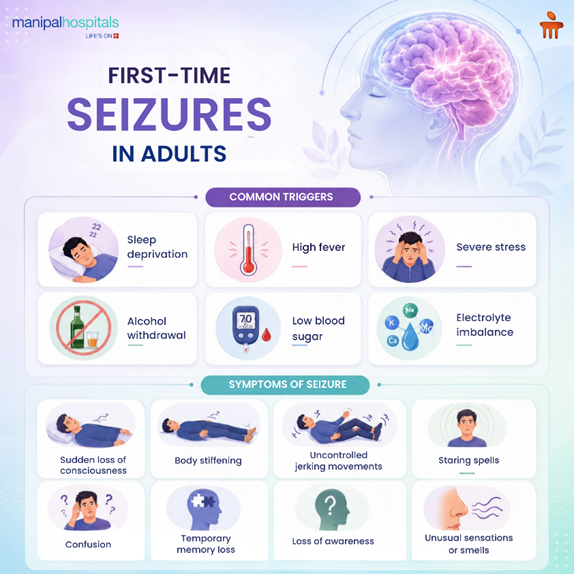
It is highly useful to separate a long-term medical cause from a temporary lifestyle factor, or what triggers seizures in adults who already have a lowered neurological threshold. While a cause is an actual disease or injury to the tissue, a trigger is an immediate event that can lower the brain's resistance, making an episode more likely to happen on a specific day.
Common everyday triggers include:
-
Severe Sleep Deprivation: Going without sleep for extended periods places intense physical stress on brain cells, significantly lowering your baseline seizure threshold.
-
High Fever or Central Nervous System Infections: Serious illnesses like meningitis or encephalitis inflame the protective membranes surrounding the brain, creating localized irritation.
-
Extreme Psychological Stress: While emotional stress alone rarely causes a structural seizure, prolonged high tension can interact with sleep loss to make the system more vulnerable.
To find out exactly what causes seizures in adults for the first time, specialists evaluate the entire body through a clear, staged diagnostic screening process to ensure no underlying medical emergency is missed.
Practical First Aid: What to Do If You Witness an Episode
If you are with an adult who experiences a generalised seizure involving muscle contractions, staying calm and following basic safety steps can protect them from accidental injury:
-
Protect the Head: Gently place a soft, rolled-up jacket or a cushion underneath their head to prevent it from striking a hard floor.
-
Clear the Surrounding Area: Move away any sharp objects, nearby chairs, or hard items that they could accidentally strike during muscle movements.
-
Turn Them onto Their Side: As soon as it is safe to do so, gently guide the person onto their side into the recovery position. This helps keep their airway completely clear and prevents fluid blockage.
-
Time the Seizure: Look at a watch or phone to note exactly when the episode started and how long the physical movements lasted. This timing data is incredibly helpful for the arriving medical team.
-
Never Restrain the Person: Do not try to hold the person down or stop their movements, as this can cause muscle strains or joint injuries.
-
Never Place Objects in the Mouth: There is an old myth that a person can swallow their tongue during a seizure; this is physically impossible. Placing fingers, spoons, or cloths into their mouth can damage their teeth or accidentally block their airway.
When to Seek Immediate Emergency Medical Help
Not every seizure requires an emergency ambulance if the individual has a known, well-managed condition. However, a first-time episode in an adult is always a clinical priority.The Neurosurgery Department provides advanced evaluation, brain imaging, and specialised care to identify the cause of seizures and develop an appropriate treatment plan.
You must call for immediate emergency medical assistance if you notice any of the following red flags:
-
The active shaking or muscle contractions last for more than 5 minutes without stopping.
-
The person experiences a second seizure immediately after the first one ends, without waking up or regaining full consciousness in between.
-
The individual has serious difficulty breathing, or their skin lips look blue or grey after the physical movements have ceased.
-
The episode happens while the person is swimming or in water, creating an immediate risk of fluid inhalation.
-
The individual is pregnant, has a known history of diabetes, or sustained a significant head injury during the event.
-
The person remains profoundly confused, unresponsive, or cannot speak normally for more than 30 minutes after the seizure stops.
Conclusion
Experiencing a first-time seizure in adulthood is an impactful physical event, but it is a symptom that responds exceptionally well to modern, systematic medical tracking. For precise diagnostic tracking, high-resolution brain scans, or establishing a personalised plan for seizure treatment in Salem at Manipal Hospitals, consult a neurosurgeon to ensure your family receives the advanced critical care.
FAQ's
No. Epilepsy is defined as a chronic condition characterised by two or more unprovoked, recurring seizures over time. A single, isolated episode can be a one-off reaction to a temporary bodily shift, such as a severe drop in blood sugar, a medication interaction, or acute dehydration, and may never happen again once the root cause is corrected.
The recovery period immediately following an episode is known as the post-ictal phase. It is completely normal for an adult to feel deeply exhausted, confused, or have a mild headache for anywhere from 15 minutes to several hours after a seizure. Giving them a quiet, calm space to rest helps the brain reset its electrical balance naturally.
Yes. For public safety reasons, medical guidelines and transport regulations require individuals who experience a new-onset seizure with a loss of consciousness to temporarily stop driving for a specific period, often six months to a year. Your neurologist will provide formal clearance once your diagnostic tests confirm the brain activity is completely stable.
While emotional or work stress is a well-known lifestyle factor that can lower your baseline resistance, it rarely acts as the sole cause of a true electrical seizure in a completely healthy brain. Stress typically interacts with severe lack of sleep, poor nutrition, or excessive caffeine intake to trigger an episode if an underlying vulnerability exists.
A fainting spell (syncope) happens due to a sudden, temporary drop in blood flow to the entire brain, often causing a person to go limp and wake up within seconds of lying flat. A seizure is driven by an internal electrical surge within the brain tissue itself, frequently involving rigid muscle contractions, specific eye movements, or prolonged confusion after waking.
Share this article on: