8 Min Read
Pregnancy turns your body completely upside down, bringing a whole wave of physical and hormonal changes. While most of these are just part of the journey, some changes are warning flags you shouldn't brush off. One of the most common issues to look out for is a urine infection in pregnancy.
A urinary tract infection (UTI) happens when bacteria get into your bladder, urethra, or kidneys. The trouble with pregnancy is that it makes you much more likely to catch one.
Because early signs of urine infection in pregnancy can be incredibly subtle, like a mild sting when you pee, a heavy ache in your belly, or needing the toilet every five minutes, it is effortless to assume it’s "just a pregnancy thing." But leaving an infection to clear up on its own can lead to real dangers for both you and your baby. The Urology department provides expert care for urine infections in pregnancy, ensuring timely diagnosis and safe treatment options.This blog explains the causes, symptoms, complications, diagnosis, and UTI treatment during pregnancy.
Synopsis
- Why Are UTIs More Common During Pregnancy?
- Urine Infection in Early Pregnancy: The
- The Early Signs: Everyday Symptoms to Watch For
- What Actually Causes UTIs When You're Pregnant?
- How Doctors Diagnose UTIs During Pregnancy
- How to Safely Treat and Prevent UTIs
- When Should You Seek Immediate Medical Care?
- Conclusion
Why Are UTIs More Common During Pregnancy?
It feels unfair, but your body is practically set up for UTIs during these nine months due to three main factors:
-
Pregnancy Hormones: Early on, hormones relax the muscles in your urinary tract. This slows down the flow of pee, giving bacteria a perfect window to sit around and multiply. This condition is a primary cause of a urine infection in early pregnancy.
-
Bladder Pressure: As your womb expands, the sheer weight of the growing baby presses directly onto your bladder. This makes it incredibly hard to empty your bladder completely when you go to the toilet. Trapped pee equals bacterial growth.
-
Changes in Your Pee: Your urine naturally becomes less acidic and contains more sugars during pregnancy, which bacteria love to feed on
Urine Infection in Early Pregnancy: The "Silent" Risk
Many women deal with a urine infection in early pregnancy without having any clue at all. Doctors call this asymptomatic bacteriuria—which simply means there are bacteria living in your urine, but they aren't causing you any pain or burning yet.
Even if it doesn't hurt, you cannot ignore it. If a silent infection is left untreated, it can easily travel up into your kidneys. This spikes the risk of serious complications later on, including:
-
Kidney infections (pyelonephritis)
-
Going into early (premature) labour
-
Having a baby with a low birth weight
This is exactly why doctors routinely ask you to pee in a cup during your regular prenatal checkups. They are looking for those silent bugs.
The Early Signs: Everyday Symptoms to Watch For
Catching the problem early makes it incredibly easy to manage. Keep a lookout for these daily urine infection in pregnancy symptoms:
-
A burning, stinging, or uncomfortable feeling when you pee.
-
Feeling an urgent need to rush to the loo, only for a few drops to come out.
-
Your pee looks cloudy, murky, or smells unusually strong or foul.
-
A dull, constant ache or pressure in your lower stomach or pelvic area.
-
Feeling wiped out, weak, or unusually fatigued.
Signs the Infection is Spreading
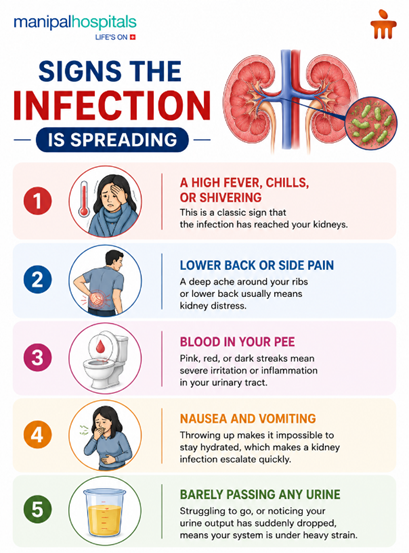
Certain symptoms require immediate medical attention. Serious signs of a urine infection in pregnancy include the following:
-
A high fever, chills, or shivering: This is a classic sign that the infection has reached your kidneys.
-
Lower back or side pain: A deep ache around your ribs or lower back usually means kidney distress.
-
Blood in your pee: Pink, red, or dark streaks mean severe irritation or inflammation in your urinary tract.
-
Nausea and vomiting: Throwing up makes it impossible to stay hydrated, which makes a kidney infection escalate quickly.
-
Barely passing any urine: Struggling to go, or noticing your urine output has suddenly dropped, means your system is under heavy strain.
Neglecting these symptoms of a urinary infection during pregnancy is very dangerous.
What Actually Causes UTIs When You're Pregnant?
While your changing body sets the stage for an infection, the actual trigger usually comes down to a few daily factors and physical shifts:
-
Everyday Gut Bacteria: Most UTIs happen when E. coli bacteria, which live completely harmlessly in your gut, accidentally travel across to your urinary tract.
-
Trapped Urine: As your womb grows, it physically weighs down on your bladder. This makes it tough to empty your bladder completely, leaving a small pool of trapped urine where bacteria can easily grow.
-
Sluggish Hormones: Pregnancy hormones naturally relax the muscles in your urinary tubes. This slows down your urine flow, giving bacteria a wider window to settle in and multiply.
-
Not Drinking Enough Water: Skipping out on fluids makes your urine highly concentrated and acidic, making it much harder for your body to naturally flush bugs out of your system.
-
Holding It In: Delaying your trips to the toilet because you are busy or out and about gives bacteria the extra time they need to trigger an infection.
How Doctors Diagnose UTIs During Pregnancy
Doctors usually diagnose a urinary infection in pregnancy through simple urine tests.
Common Diagnostic Tests
|
Test |
Purpose |
|
Urine Routine Test |
Checks for signs of infection, such as pus cells, blood, or protein in urine. |
|
Urine Culture |
Pinpoints the exact bacteria causing infection and guides doctors to choose the safest antibiotic. |
|
Blood Tests |
Used if infection seems severe, to check if it has spread beyond the bladder. |
|
Kidney Scan |
Rarely needed; done only if infections keep coming back or complications are suspected. |
Urine culture helps doctors choose the safest and most effective antibiotic.
How to Safely Treat and Prevent UTIs
Many expectant mums want to know how to clear up an infection naturally. But here is the honest truth: while home remedies are great for soothing discomfort, you almost always need a short course of pregnancy-safe antibiotics to actually cure an active infection. Trying to clear a true UTI with just water or juice risks letting the bacteria spread to your kidneys.
However, you can use these simple, everyday habits to both help your body recover now and stop future infections from starting:
-
Flush your system: Drink plenty of water throughout the day. It thins out your pee and physically washes bacteria out of your tubes before they can settle.
-
Don't hold it in: Empty your bladder the moment you feel the urge. Letting urine sit around in your bladder gives bacteria a perfect place to multiply.
-
Wipe front to back: Always wipe from front to back after using the bathroom. This keeps normal gut bacteria far away from your urinary tract.
-
Wear breathable fabrics: Stick to loose cotton underwear and avoid tight trousers. Bacteria thrive in warm, damp environments, so keeping things dry is key.
-
Pee after intimacy: Make it a habit to use the toilet shortly after sex to instantly flush away any bacteria that may have moved toward your urethra.
-
Skip harsh products: Avoid strongly scented bubble baths, feminine washes, or harsh soaps down there, as they can irritate your skin and make it easier for bugs to take hold.
When Should You Seek Immediate Medical Care?
Do not wait for your next routine prenatal appointment if you notice any of these serious signs. Go to a clinic or triage right away if you develop:
-
A sudden fever or uncontrollable chills and shivering.
-
A deep, severe ache in your lower back or sides.
-
Any pink, red, or dark blood in your pee.
-
Persistent throwing up that makes it impossible to keep liquids down.
-
Intense, constant pain in your lower belly or pelvic area.
-
A noticeable drop in how much your baby is moving (if you are further along in your pregnancy).
Getting checked out immediately is the best way to stop a basic bladder infection from turning into something dangerous for you and your baby.
Conclusion
Urinary infection in pregnancy is common but should not be ignored. Catching a urinary infection is much easier during pregnancy because of the massive physical and hormonal changes that happen to the body, especially during the second and third trimesters.
Women searching for UTI treatment often look for expert care that protects both mother and baby. At Manipal Hospitals, we focus on safe UTI treatment during pregnancy in Salem to protect both mother and baby. Our care team handles everything right here, from quick urine culture tests to prescribing pregnancy-safe antibiotics. We also keep a close eye on the baby, check for any signs of kidney irritation, and build it right into regular prenatal visits. At Manipal Hospitals, experienced Urologists provide safe and personalised treatment for urinary infections during pregnancy.Catching a small infection early makes treatment incredibly straightforward and keeps the pregnancy journey safe and healthy.
FAQ's
Long trips can mean less water and fewer bathroom breaks, which can make it easier for bacteria to grow in the bladder.
The hormones of pregnancy slow the flow of urine and make it easier for bacteria to stay trapped in the urinary tract, causing repeated infections.
High stress can also slightly weaken the immune response, making the body less able to fight urinary bacteria naturally during pregnancy.
Yes, fighting off infection uses up more energy, and pregnant women may feel extra tired, weak, or mentally drained.
Yes, it’s true that holding urine too long, wearing tight synthetic clothing, or drinking less water can quietly raise the risk for urinary infection over time.
Share this article on: