6 Min Read
Lower back pain is one of the most common health concerns affecting people of all ages. While many cases improve with rest and conservative care, some individuals may require advanced medical intervention. Our orthopaedics in Patiala carefully guide patients to determine whether surgery is truly necessary. This blog explores when lower back pain requires surgery, the role of non-surgical care, and how to manage symptoms effectively.
Synopsis
- Understanding Lower Back Pain
- When Is Lower Back Pain a Serious Concern?
- Non-Surgical Back Pain Treatment Options
- Special Considerations: Back Pain During Pregnancy
- When Do You Really Need Spine Surgery for Lower Back Pain?
- Types of Spine Surgery for Lower Back Pain
- Recovery After Spine Surgery
- Risks and Considerations
- Preventing Lower Back Pain
- Importance of Expert Guidance
- Conclusion
Understanding Lower Back Pain
Lower back pain refers to discomfort or stiffness in the lower portion of the spine. It can range from mild irritation to severe, disabling pain that interferes with daily life. In most cases, lower back pain improves with proper back pain treatment, including medication, physiotherapy, and lifestyle changes.
Common causes include:
-
Muscle strain
-
Herniated discs
-
Degenerative disc disease
-
Spinal stenosis
-
Injuries or accidents
Understanding the root cause helps doctors decide the best back pain treatment approach and whether surgery is necessary.
When Is Lower Back Pain a Serious Concern?
While most episodes of lower back pain are not serious, certain symptoms may indicate a more severe condition requiring medical attention.
Warning Signs to Watch For
-
Persistent lower back pain lasting more than 6–8 weeks
-
Pain spreading to the legs (sciatica)
-
Numbness or weakness
-
Difficulty walking or standing
-
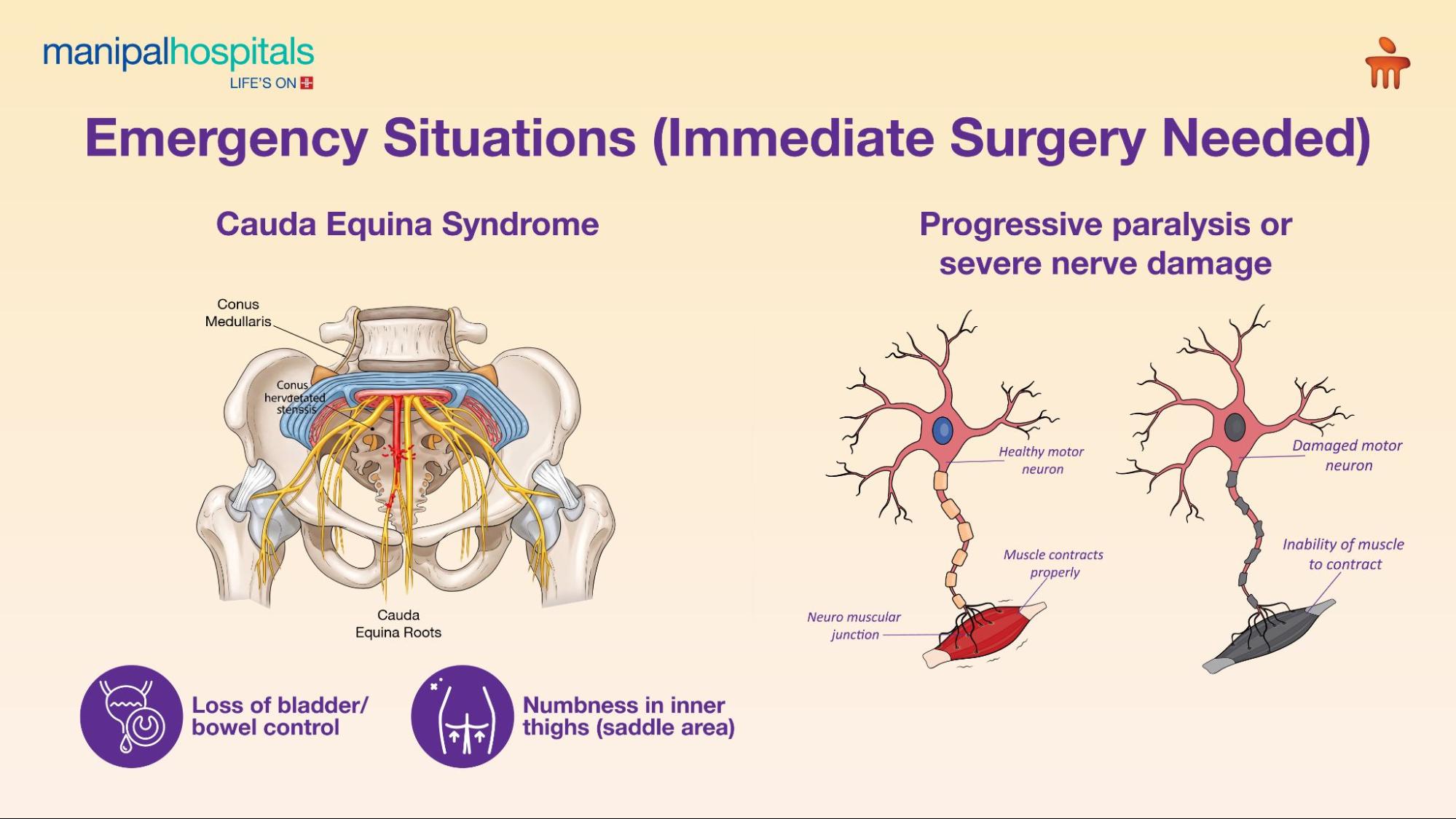
Loss of bladder or bowel control
These symptoms suggest nerve involvement or structural issues, which may not respond to basic back pain treatment alone.
Non-Surgical Back Pain Treatment Options
Before considering surgery, doctors usually recommend conservative back pain treatment methods.
-
Medications - Pain relievers and anti-inflammatory drugs are often the first step in managing lower back pain. These help reduce inflammation and improve mobility.
-
Physiotherapy and Back Pain Exercises - Structured back pain exercises play a vital role in recovery. These exercises strengthen muscles, improve flexibility, and support the spine. Regular back pain exercises can significantly reduce recurring lower back pain.
-
Lifestyle Modifications - Simple changes such as maintaining proper posture, losing excess weight, and avoiding heavy lifting can improve lower back pain. These adjustments complement other back pain treatment strategies.
Special Considerations: Back Pain During Pregnancy
Back pain during pregnancy is common due to hormonal changes and increased body weight. While it may resemble typical lower back pain, treatment approaches differ. Gentle back pain exercises and posture correction are preferred, as certain medications and procedures may not be suitable.
When Do You Really Need Spine Surgery for Lower Back Pain?
Surgery is usually considered only when conservative back pain treatment fails or when symptoms become severe.
-
Persistent Pain Despite Treatment - If lower back pain does not improve after several months of non-surgical back pain treatment, surgery may be considered. This is especially true when pain limits daily activities.
-
Nerve Compression - Conditions like herniated discs or spinal stenosis can compress nerves, causing severe lower back pain and leg symptoms. Surgery helps relieve this pressure.
-
Loss of Function - When lower back pain leads to weakness, numbness, or difficulty walking, surgical intervention may be necessary to prevent permanent damage.
-
Emergency Situations - In rare cases, such as loss of bladder or bowel control, immediate surgery is required. These situations indicate serious spinal cord compression.
At facilities supported by our orthopaedics in Patiala, decisions regarding surgery are made after thorough evaluation and imaging studies.
Types of Spine Surgery for Lower Back Pain
When surgery becomes necessary, several procedures may be considered based on the cause of lower back pain.
-
Discectomy - This procedure removes part of a herniated disc that is pressing on a nerve. It is commonly used when lower back pain is caused by disc problems.
-
Laminectomy - In this surgery, part of the bone covering the spinal canal is removed to relieve pressure. It is often recommended for spinal stenosis.
-
Spinal Fusion - This involves joining two or more vertebrae to stabilise the spine. It is used in cases of severe degeneration causing chronic lower back pain.
Each procedure aims to reduce pain and improve mobility when other back pain treatment options have failed.
Recovery After Spine Surgery
Recovery plays a crucial role in the success of surgery for lower back pain.
-
Rehabilitation and Back Pain Exercises - After surgery, patients must follow a structured rehabilitation plan. Back pain exercises are gradually introduced to strengthen the spine and prevent the recurrence of lower back pain.
-
Lifestyle Adjustments - Maintaining a healthy lifestyle is essential to avoid future issues. Proper posture, regular activity, and weight management support long-term recovery from lower back pain.
Centres guided by our orthopaedics in Patiala provide personalised rehabilitation programmes to ensure optimal healing.
Risks and Considerations
Like any medical procedure, spine surgery carries risks. These include:
-
Infection
-
Bleeding
-
Nerve damage
-
Incomplete relief from lower back pain
Therefore, surgery is recommended only when the benefits outweigh the risks and when conservative back pain treatment options are no longer effective.
Preventing Lower Back Pain
Prevention is always better than a cure. Simple habits can reduce the risk of developing lower back pain.
-
Stay Active - Regular physical activity and back pain exercises keep the spine strong and flexible.
-
Maintain Proper Posture - Sitting and standing correctly reduces strain on the lower back and prevents lower back pain.
-
Manage Weight - Excess weight puts pressure on the spine, increasing the risk of lower back pain.
-
Be Careful During Pregnancy - For women experiencing back pain during pregnancy, proper posture, supportive footwear, and safe back pain exercises can help manage discomfort.
Importance of Expert Guidance
Choosing the right treatment for lower back pain requires expert evaluation. Not all cases need surgery, and unnecessary procedures should be avoided.
Our orthopaedics in Patiala focus on accurate diagnosis and evidence-based back pain treatment plans. Patients receive personalised care, ensuring that surgery is recommended only when absolutely necessary.
Conclusion
Lower back pain can significantly affect quality of life, but most cases can be managed with conservative back pain treatment. Surgery is only required in specific situations, such as persistent pain, nerve compression, or loss of function. Understanding the role of back pain exercises, lifestyle changes, and special conditions like back pain during pregnancy helps individuals make informed decisions.
With proper care and guidance from our Neuro/orthopaedics in Patiala, patients can effectively manage lower back pain and return to a healthier, more active life.
FAQ's
Surgery is considered when lower back pain persists despite months of back pain treatment or when there are serious symptoms like nerve damage.
Yes, regular back pain exercises strengthen the spine and reduce the risk of recurring lower back pain.
Yes, back pain during pregnancy is common due to body changes, but it can be managed with safe exercises and posture correction.
Risks include infection, bleeding, and incomplete relief from lower back pain, which is why surgery is recommended only when necessary.
Yes, maintaining a healthy lifestyle, practising back pain exercises, and following proper posture can help prevent lower back pain.
Share this article on: