6 Min Read
A stroke is a medical emergency that occurs when blood flow to the brain is disrupted, leading to brain cell damage. Recognising the signs of a stroke early can mean the difference between full recovery, long-term disability, or even death. Early evaluation by our neurologists in Patiala plays a crucial role in timely diagnosis and intervention. Unfortunately, many people ignore or misinterpret early symptoms, delaying life-saving treatment.
This blog explains the signs of a stroke, highlights the signs of a stroke before it happens, discusses the signs of CVA stroke, and outlines the signs of recovery from stroke, helping you understand exactly when to seek emergency care.
Synopsis
- What Is a Stroke?
- Why Recognising the Signs of a Stroke Matters
- Common Signs of a Stroke
- FAST Method: Quick Identification of Signs of a Stroke
- Signs of a Stroke Before It Happens
- Signs of CVA Stroke
- How Stroke Symptoms May Differ Based on the Underlying Cause
- When to Seek Emergency Care
- Diagnosis After Recognising Signs of a Stroke
- Treatment After a Stroke
- Signs of Recovery from Stroke
- Rehabilitation and Long-Term Care
- Preventing Future Strokes
- Conclusion
What Is a Stroke?
A stroke, also known as a cerebrovascular accident (CVA), occurs when the blood supply to part of the brain is blocked or a blood vessel ruptures. Without oxygen and nutrients, brain cells begin to die within minutes.
Understanding the signs of a stroke allows immediate action, which significantly improves outcomes.
Why Recognising the Signs of a Stroke Matters
Every minute during a stroke, nearly two million brain cells die. Prompt recognition of the signs of a stroke enables early medical intervention, reducing brain damage and improving survival.
Early response is critical, and timely evaluation by specialists, including neurologists and multidisciplinary teams, can be lifesaving. In complex cases, supportive care may also involve consultations from our neurologists in Patiala, especially when strokes occur alongside cancer-related conditions.
Common Signs of a Stroke
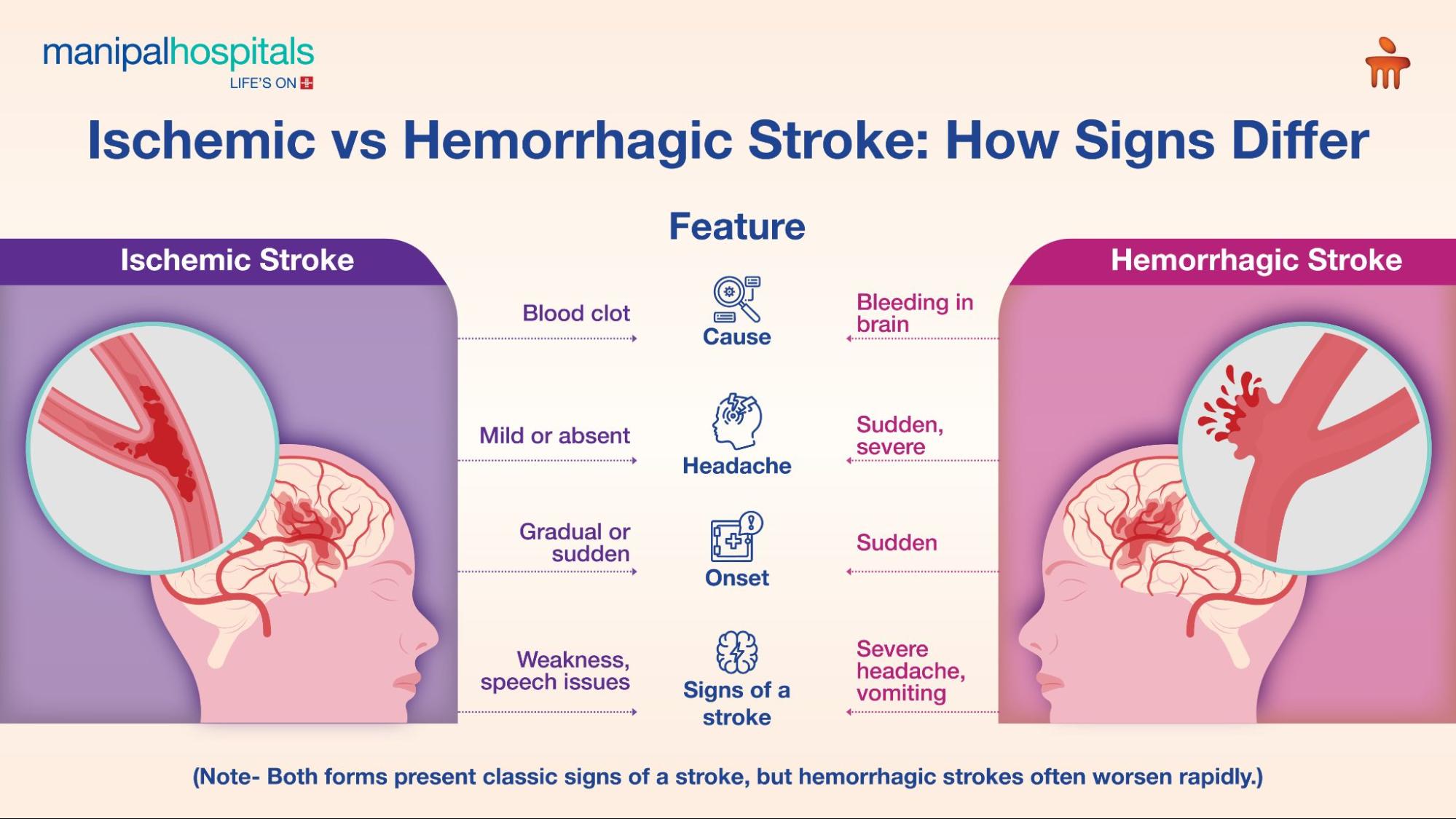
The most reliable signs of a stroke often appear suddenly and worsen rapidly.
Key Signs of a Stroke to Watch For
-
Sudden weakness or numbness on one side of the body
-
Difficulty speaking or understanding speech
-
Sudden confusion or altered awareness
-
Loss of balance or coordination
-
Sudden severe headache with no known cause
-
Vision problems in one or both eyes
These signs of a stroke should never be ignored, even if they resolve temporarily.
FAST Method: Quick Identification of Signs of a Stroke
The FAST method is a simple way to remember critical signs of a stroke.
|
FAST Component |
What to Look For |
|
Face |
Drooping on one side |
|
Arms |
Inability to raise one arm |
|
Speech |
Slurred or unclear speech |
|
Time |
Call emergency services immediately |
FAST remains one of the most effective tools for identifying signs of a stroke in real time.
Signs of a Stroke Before It Happens
Some individuals experience warning symptoms hours or days before a major stroke. These signs of a stroke before it happens are often due to transient ischemic attacks (TIAs).
Early Warning Signs
-
Temporary weakness or numbness
-
Brief speech difficulty
-
Short-lasting vision loss
-
Sudden dizziness or imbalance
-
Temporary confusion
Although these signs of a stroke before it happens may resolve, they signal a high risk of an imminent stroke and require urgent evaluation.
Signs of CVA Stroke
The signs of CVA stroke are similar to other strokes but may vary depending on the affected brain region.
Typical Signs of CVA Stroke
-
Sudden paralysis on one side
-
Difficulty swallowing
-
Loss of coordination
-
Memory impairment
-
Sudden personality or behavioural changes
Recognising the signs of CVA stroke early allows targeted treatment, reducing neurological damage.
How Stroke Symptoms May Differ Based on the Underlying Cause
Stroke symptoms can vary widely depending on how the brain’s blood supply is affected. Understanding these differences helps recognise the signs of a stroke early and respond appropriately.
When blood flow to the brain is blocked, symptoms may include:
-
Gradual or sudden weakness on one side of the body
-
Slurred or unclear speech that worsens over time
-
Facial drooping that becomes more noticeable
-
Difficulty understanding spoken words
-
Temporary improvement followed by sudden worsening
When bleeding occurs inside the brain, symptoms often include:
-
Sudden, intense headache with no warning
-
Rapid onset of nausea or vomiting
-
Sudden confusion or loss of awareness
-
Difficulty maintaining balance or coordination
Regardless of how stroke symptoms appear, immediate medical attention is critical to limit injury and improve recovery outcomes.
When to Seek Emergency Care
You should seek immediate emergency care if any signs of a stroke appear, even briefly.
Emergency Indicators
-
Sudden speech difficulty
-
Facial drooping
-
Arm or leg weakness
-
Severe headache
-
Loss of consciousness
Immediate hospital care improves survival and limits disability. In patients with complex medical histories, coordinated care involving neurologists and our neurologists in Patiala may be required.
Diagnosis After Recognising Signs of a Stroke
Once the signs of a stroke are identified, doctors act quickly.
Diagnostic Tests
-
CT scan or MRI
-
Blood tests
-
ECG
-
Carotid ultrasound
Fast diagnosis ensures appropriate intervention within the critical treatment window.
Treatment After a Stroke
Treatment depends on stroke type and severity.
Treatment Approaches
-
Clot-busting medications
-
Mechanical thrombectomy
-
Blood pressure control
-
Surgery for bleeding
-
Rehabilitation therapy
Early treatment significantly improves recovery following signs of a stroke.
Signs of Recovery from Stroke
Recovery varies from person to person. Recognising signs of recovery from stroke helps track progress and maintain motivation.
Positive Signs of Recovery from Stroke
-
Improved muscle strength
-
Better speech clarity
-
Enhanced coordination
-
Reduced fatigue
-
Improved cognitive function
These signs of recovery from stroke often develop gradually over weeks or months.
Rehabilitation and Long-Term Care
Stroke recovery requires a structured plan.
Rehabilitation Includes
-
Physiotherapy
-
Speech therapy
-
Occupational therapy
-
Emotional support
In patients with cancer-related neurological complications, recovery plans may involve our neurologists in Patiala as part of a multidisciplinary team.
Preventing Future Strokes
Preventing recurrence begins with managing risk factors.
Prevention Strategies
-
Control blood pressure
-
Manage diabetes
-
Quit smoking
-
Maintain a healthy weight
-
Regular medical follow-up
Awareness of the signs of a stroke before it happens helps prevent severe episodes.
Conclusion
Recognising the signs of a stroke is critical for saving lives and preserving brain function. Whether it is early signs of a stroke before it happens, sudden signs of CVA stroke, or gradual signs of recovery from stroke, timely action makes all the difference. Stroke care is most effective when supported by rapid diagnosis, expert intervention, and long-term rehabilitation. Early recognition and emergency response remain the cornerstone of survival and recovery.
FAQ's
The earliest signs of a stroke include sudden weakness, speech difficulty, facial drooping, and confusion.
Yes, signs of a stroke before it happens may appear as transient ischemic attacks with temporary symptoms.
The signs of CVA stroke are similar but vary based on the affected brain region.
Improved movement, clearer speech, better balance, and increased independence are common signs of recovery from stroke.
Seek emergency care immediately if any signs of a stroke appear, even if they resolve quickly.
Share this article on: