6 Min Read
Heart health is essential for overall well-being, yet many people overlook early warning signs until conditions become serious. Understanding heart failure symptoms can help individuals seek timely care and avoid complications. Our cardiologists in Patiala strongly emphasise awareness and early detection to improve outcomes. This guide explains heart failure symptoms, why the condition occurs, and how modern heart failure treatment options can help patients live healthier lives.
Synopsis
What Is Heart Failure?
Heart failure does not mean the heart has stopped working. Instead, it means the heart is unable to pump blood efficiently. When this happens, the body does not receive enough oxygen and nutrients, leading to noticeable heart failure symptoms.
The underlying mechanism is often linked to congestive heart failure pathophysiology, where fluid builds up in the lungs, legs, or other tissues. This happens because the heart cannot keep up with the body's demands.
Common Heart Failure Symptoms in Simple Words
Recognising heart failure symptoms early can make a major difference. These symptoms may develop gradually or appear suddenly.
1. Shortness of Breath
One of the most common heart failure symptoms is difficulty breathing, especially during physical activity or while lying down. This occurs due to fluid accumulation in the lungs, a key part of the congestive heart failure pathophysiology.
2. Persistent Fatigue
Feeling unusually tired even after rest is another frequent sign. When the heart cannot pump effectively, muscles and tissues receive less oxygen, resulting in fatigue, one of the subtle heart failure symptoms.
3. Swelling in Legs and Feet
Fluid retention causes swelling in the lower body. This is a hallmark of congestive heart failure pathophysiology and a visible indicator of worsening heart failure symptoms.
4. Rapid or Irregular Heartbeat
The heart may try to compensate by beating faster. This can lead to palpitations, which are often reported alongside other heart failure symptoms.
5. Persistent Cough or Wheezing
A chronic cough with white or pink mucus may develop due to fluid in the lungs, another classic feature of heart failure symptoms.
6. Sudden Weight Gain
Unexpected weight gain from fluid retention is an overlooked but important sign. Monitoring weight helps detect worsening heart failure symptoms early.
Why Does Heart Failure Happen?
Understanding the causes behind heart failure symptoms involves examining several medical conditions and lifestyle factors.
-
Coronary Artery Disease - Blocked arteries reduce blood flow to the heart muscle, weakening it over time and contributing to the pathophysiology of congestive heart failure.
-
High Blood Pressure - When blood pressure remains high, the heart has to work harder. Over time, this strain leads to structural changes and heart failure symptoms.
-
Heart Attack Damage - A previous heart attack can damage heart tissue, reducing pumping efficiency and leading to persistent heart failure symptoms.
-
Diabetes and Obesity - These conditions increase the risk of heart disease and worsen the pathophysiology of congestive heart failure, making heart failure symptoms more likely.
Types of Heart Failure
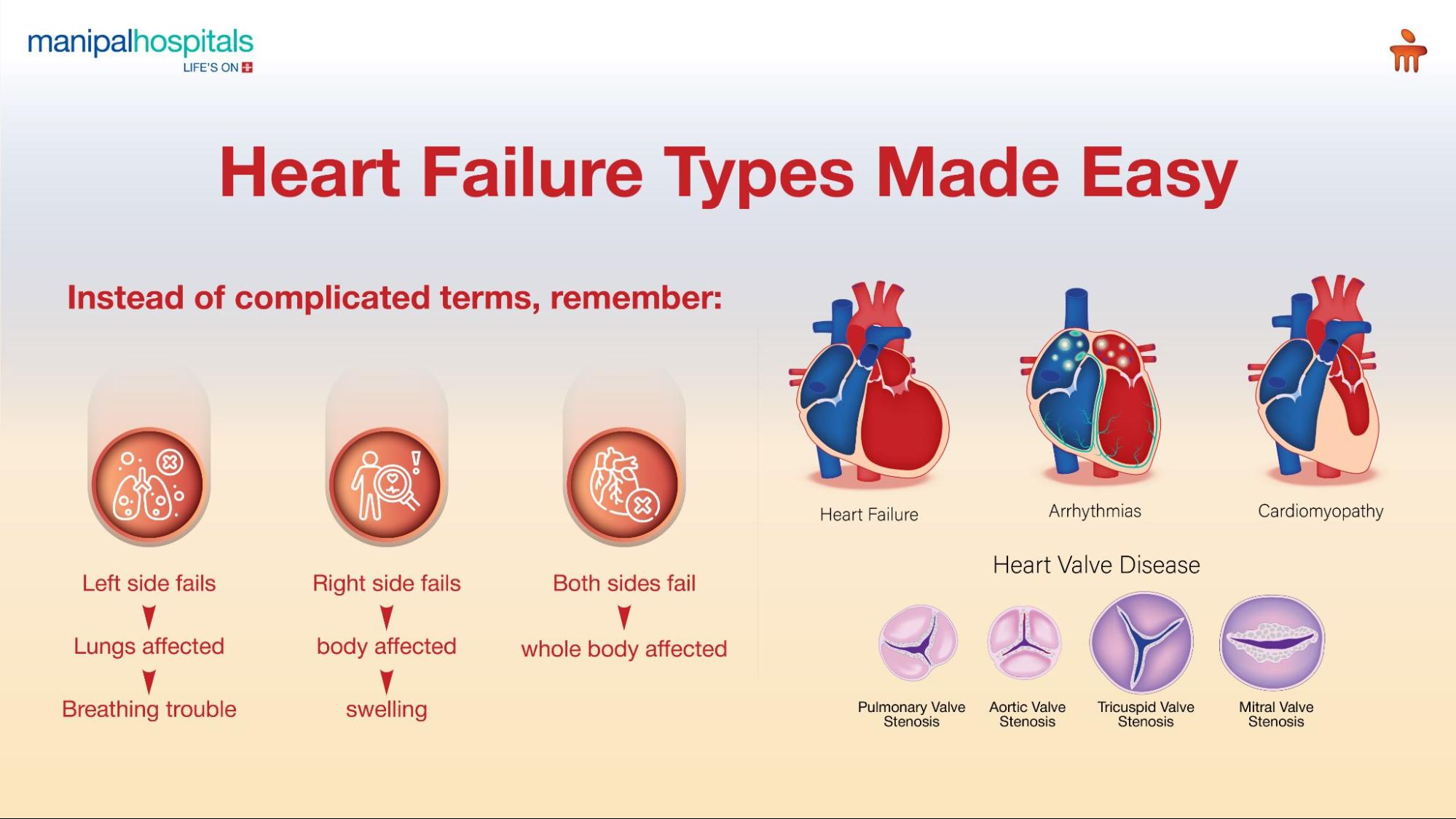
There are different types of heart failure, and understanding them helps guide proper heart failure treatment.
-
Left-Sided Heart Failure - This is the most common among the types of heart failure. It affects the left side of the heart, leading to fluid buildup in the lungs and noticeable heart failure symptoms like breathlessness.
-
Right-Sided Heart Failure - In this form, fluid accumulates in the abdomen and legs. It is often linked to advanced congestive heart failure pathophysiology.
-
Diastolic vs Systolic Failure - Among the types of heart failure, systolic failure occurs when the heart cannot contract properly, while diastolic failure happens when the heart cannot relax and fill with blood. Both lead to similar heart failure symptoms.
How Is Heart Failure Diagnosed?
Doctors assess heart failure symptoms through a combination of medical history, physical examination, and diagnostic tests.
-
Blood tests
-
Electrocardiogram (ECG)
-
Chest X-ray
Clinics supported by our cardiologists in Patiala use advanced diagnostic tools to identify congestive heart failure pathophysiology early and begin appropriate heart failure treatment.
Heart Failure Treatment Options
Managing heart failure symptoms involves a combination of lifestyle changes, medications, and sometimes medical procedures.
Medications
Several drugs are used in heart failure treatment:
-
ACE inhibitors to relax blood vessels
-
Beta-blockers to reduce the heart workload
-
Diuretics to remove excess fluid
These medications target the root causes of congestive heart failure pathophysiology and improve heart failure symptoms.
Lifestyle Changes
Adopting healthier habits is crucial for controlling heart failure symptoms:
-
Reducing salt intake
-
Maintaining a healthy weight
-
Regular physical activity
-
Avoiding smoking and alcohol
Such changes complement medical heart failure treatment and slow disease progression.
Medical Procedures
In severe cases, advanced heart failure treatment may include:
-
Implantable devices like pacemakers
-
Coronary bypass surgery
-
Heart transplant
These interventions are recommended depending on the types of heart failure and the severity of heart failure symptoms.
Living with Heart Failure
Although heart failure symptoms can impact daily life, proper care allows many patients to live comfortably. Regular follow-ups, medication adherence, and monitoring are key.
Our cardiologists in Patiala emphasise personalised care plans tailored to each patient’s condition, ensuring better management of congestive heart failure pathophysiology and improved quality of life.
When to See a Doctor
It is important to seek medical help if heart failure symptoms worsen or new signs appear. Immediate attention is required for:
-
Severe breathlessness
-
Chest pain
-
Fainting episodes
Early intervention improves the effectiveness of heart failure treatment and reduces complications.
Preventing Heart Failure
While not all cases can be prevented, reducing risk factors can minimise the chances of developing heart failure symptoms.
-
Control blood pressure and diabetes
-
Maintain a balanced diet
-
Exercise regularly
-
Get routine health check-ups
Preventive care is especially important for individuals at risk of developing different types of heart failure.
Conclusion
Understanding heart failure symptoms is essential for early diagnosis and effective care. With knowledge of congestive heart failure pathophysiology, awareness of the types of heart failure, and access to timely heart failure treatment, patients can significantly improve their outcomes. Guidance from our cardiologists in Patiala ensures that individuals receive expert care tailored to their needs, helping them manage heart failure symptoms and lead healthier lives.
FAQ's
Early heart failure symptoms include fatigue, shortness of breath, and mild swelling in the legs. These signs are often subtle but should not be ignored.
While it may not always be completely cured, proper heart failure treatment can effectively control heart failure symptoms and improve quality of life.
Congestive heart failure pathophysiology refers to how the heart’s reduced pumping ability leads to fluid buildup in the body, causing noticeable heart failure symptoms.
The main types of heart failure include left-sided, right-sided, systolic, and diastolic failure, all of which present different heart failure symptoms.
You should consult a doctor if heart failure symptoms worsen, such as increasing breathlessness, swelling, or sudden weight gain, as early heart failure treatment is crucial.
Share this article on:


.webp "silent-heart-attack-symptoms-risk-factors")