6 Min Read
A brain stroke is a medical emergency that requires immediate attention. Understanding brain stroke treatment can help save lives and reduce long-term disability. With guidance from our neurologists in Patiala, patients and families can better recognise symptoms, act quickly, and access the right care. This blog explains brain stroke treatment, including clot-busting injections and clot removal procedures, along with causes, risks, and recovery.
Synopsis
- What Is a Brain Stroke?
- What Causes Brain Stroke?
- Recognising Stroke Symptoms
- Brain Stroke Treatment: Clot-Busting Injection
- Brain Stroke Treatment: Clot Removal (Mechanical Thrombectomy)
- What Happens After Brain Stroke Treatment?
- Can a brain stroke cause death?
- Risks and Complications
- Preventing Future Strokes
- Importance of Specialised Care
- Conclusion
What Is a Brain Stroke?
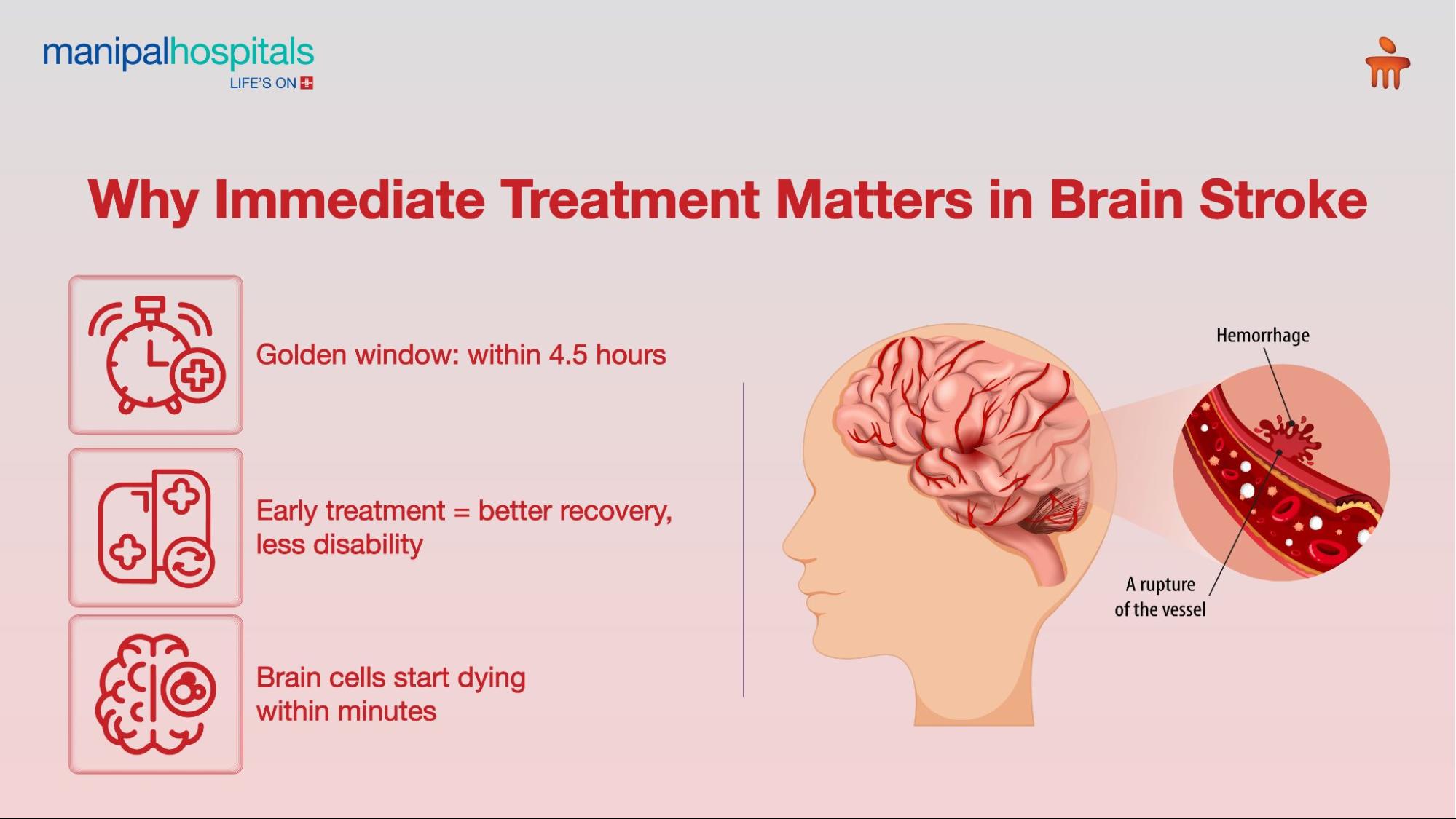
A brain stroke occurs when the blood supply to part of the brain is interrupted or reduced. Without oxygen and nutrients, brain cells begin to die within minutes. This is why timely brain stroke treatment is critical.
There are two main types of stroke:
-
Ischaemic stroke (caused by a blood clot)
-
Haemorrhagic stroke (caused by bleeding in the brain)
Both types require different approaches to brain stroke treatment, but rapid intervention is essential in all cases.
What Causes Brain Stroke?
Understanding what causes a brain stroke is key to prevention and early care. Several risk factors contribute to stroke:
-
Diabetes
-
High cholesterol
-
Smoking
-
Obesity
These conditions affect blood vessels and increase the likelihood of blockage or rupture, leading to the need for urgent brain stroke treatment. Identifying what causes a brain stroke in an individual helps doctors plan better prevention and recovery strategies.
Recognising Stroke Symptoms
Before discussing brain stroke treatment, it is important to identify symptoms early. Common signs include:
-
Sudden weakness or numbness on one side of the body
-
Difficulty speaking or understanding speech
-
Sudden vision problems
-
Severe headache
-
Loss of balance or coordination
Immediate medical attention ensures faster brain stroke treatment, which can significantly improve outcomes.
Brain Stroke Treatment: Clot-Busting Injection
One of the most effective forms of brain stroke treatment for ischaemic stroke is a clot-busting injection, also known as thrombolysis.
What Is a Clot-Busting Injection?
This treatment involves injecting a medication that dissolves the blood clot blocking the artery. It restores blood flow to the brain, reducing damage and improving recovery chances.
Time Window for Treatment
Clot-busting injections must be given within a specific time frame, usually within 4.5 hours of symptom onset. Early arrival at a hospital ensures timely brain stroke treatment.
Benefits of Clot-Busting Injection
-
Restores blood flow quickly
-
Reduces brain damage
-
Improves recovery outcomes
However, not all patients are eligible. Doctors assess medical history, imaging results, and the causes brain stroke before proceeding with this form of brain stroke treatment.
Brain Stroke Treatment: Clot Removal (Mechanical Thrombectomy)
Another advanced option in brain stroke treatment is mechanical thrombectomy, a procedure used to physically remove the clot.
What Is Mechanical Thrombectomy?
In this procedure, doctors insert a thin tube through a blood vessel (usually in the groin) and guide it to the brain. A device is then used to remove the clot directly.
When Is It Used?
Mechanical thrombectomy is recommended for patients with large clots and is often performed within 6 to 24 hours of stroke onset, depending on the case. It is a highly specialised form of brain stroke treatment.
Advantages of Clot Removal
-
Effective for large clots
-
Can be used when clot-busting injections are not suitable
-
Improves chances of recovery
Centres supported by our neurologists in Patiala are equipped to evaluate patients for advanced brain stroke treatment options like thrombectomy.
What Happens After Brain Stroke Treatment?
Recovery is a crucial phase after brain stroke treatment. The brain needs time and support to heal, and rehabilitation plays a major role.
Rehabilitation Process
Rehabilitation after brain stroke treatment may include:
-
Physiotherapy to improve movement
-
Speech therapy for communication issues
-
Occupational therapy for daily activities
Each recovery plan is tailored based on the severity of the stroke and the patient’s needs.
Lifestyle Changes
Patients are advised to make lifestyle changes after brain stroke treatment:
-
Healthy diet
-
Regular exercise
-
Medication adherence
-
Avoiding smoking and alcohol
These steps reduce the risk of another stroke and support long-term health after brain stroke treatment.
Can a brain stroke cause death?
A common concern is whether a brain stroke causes death. Unfortunately, a stroke can be life-threatening, especially if treatment is delayed.
Factors Affecting Survival
-
Type and severity of stroke
-
Time taken to receive brain stroke treatment
-
Overall health of the patient
Prompt and effective brain stroke treatment significantly reduces the risk associated with whether a brain stroke causes death.
Importance of Early Care
Quick medical intervention improves survival rates and reduces complications. Awareness of symptoms and what causes a brain stroke helps individuals act without delay.
Risks and Complications
Even with proper brain stroke treatment, some patients may experience complications:
-
Paralysis
-
Speech difficulties
-
Memory problems
-
Emotional changes
Managing these issues after brain stroke treatment requires ongoing medical support and rehabilitation.
Preventing Future Strokes
Preventive care is essential, especially after brain stroke treatment. Doctors focus on controlling underlying conditions and addressing what causes a brain stroke.
Preventive Measures
-
Regular health check-ups
-
Blood pressure control
-
Diabetes management
-
Cholesterol monitoring
Our neurologists in Patiala guide patients in adopting preventive strategies to reduce recurrence and improve outcomes after brain stroke treatment.
Importance of Specialised Care
Stroke management requires expertise, advanced technology, and timely decision-making. Facilities supported by our neurologists in Patiala provide comprehensive evaluation and personalised brain stroke treatment plans.
From emergency care to rehabilitation after brain stroke treatment, specialised teams ensure that patients receive continuous support throughout their recovery journey.
Conclusion
Understanding brain stroke treatment is vital for saving lives and improving recovery. From clot-busting injections to advanced clot removal procedures, modern medicine offers effective solutions when administered promptly. Awareness of what causes brain stroke, recognising symptoms, and knowing that brain stroke can cause death highlights the importance of immediate care.
Recovery after brain stroke treatment requires dedication, rehabilitation, and lifestyle changes, but with proper medical guidance, patients can regain independence and quality of life. Consulting our neurologists in Patiala ensures access to expert care and the best possible outcomes in managing stroke.
FAQ's
The fastest brain stroke treatment is a clot-busting injection, which works quickly to dissolve clots if given within a few hours of symptom onset.
Common factors explaining what causes a brain stroke include high blood pressure, diabetes, smoking, and blocked arteries.
Yes, whether a brain stroke causes death is a serious concern. Without timely brain stroke treatment, a stroke can be fatal or lead to severe complications.
Recovery after brain stroke treatment includes rehabilitation, lifestyle changes, and regular medical follow-ups to regain function and prevent recurrence.
Both are effective forms of brain stroke treatment. The choice depends on the patient’s condition, timing, and the underlying cause of the stroke.
Share this article on: