8 Min Read
Back pain is a remarkably common ailment, affecting an estimated 80% of adults at some point in their lives. While often a temporary inconvenience that resolves with rest and conservative care, there are instances where persistent or severe back pain can signal a more serious underlying issue. Knowing when to simply manage symptoms at home versus seeking advanced diagnostic tools like an MRI is crucial for effective back pain treatment. At Manipal Hospitals, our team of expert orthopaedics in Patiala is dedicated to providing comprehensive care, guiding you through diagnosis and personalised recovery plans.
Synopsis
- Understanding Back Pain: More Than Just a Nuisance
- Common Causes of Everyday Back Pain
- When Back Pain Signals More: Red Flags for an MRI
- The Role of an MRI in Back Pain Diagnosis
- Effective Back Pain Treatment Approaches
- Special Considerations: Back Pain During Pregnancy
- When Surgery is Considered
- Why Choose Manipal Hospitals for Your Back Pain Treatment
Understanding Back Pain: More Than Just a Nuisance
Before delving into when an MRI is necessary, it's helpful to understand the multifaceted nature of back pain. It can originate from muscles, nerves, bones, joints, or other structures in the spine. The vast majority of cases are acute, lasting a few days to weeks, and are often mechanical, stemming from minor sprains, strains, or poor posture. These typically respond well to self-care, activity modification, and gentle back pain exercises.
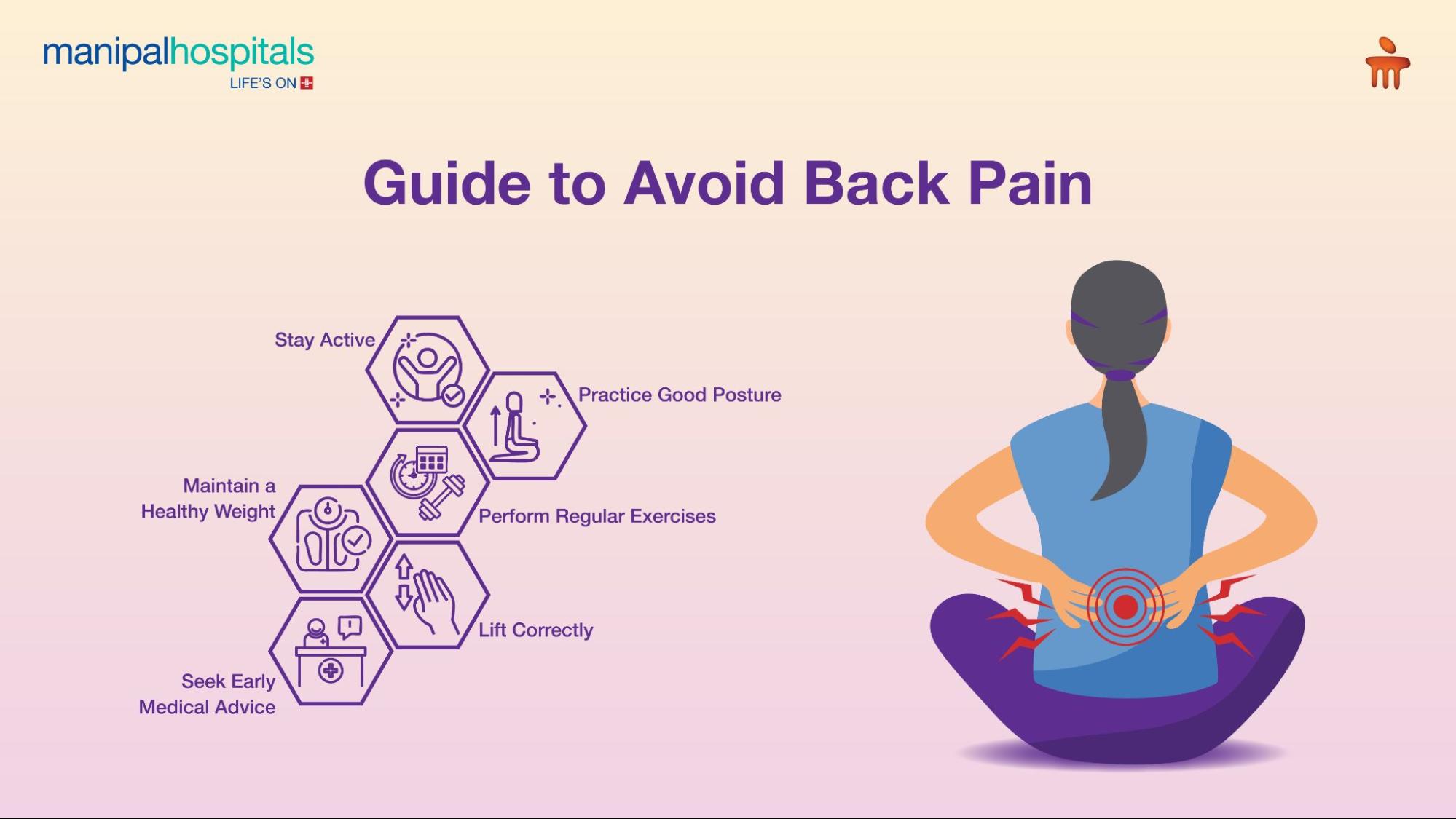
Common Causes of Everyday Back Pain
-
Muscle Strain or Ligament Sprain: Often due to heavy lifting, sudden awkward movements, or sports injuries.
-
Bulging or Herniated Discs: The soft cushions between vertebrae can sometimes bulge or rupture, putting pressure on nerves.
-
Arthritis: Osteoarthritis can affect the joints in your spine.
-
Osteoporosis: Weak, brittle bones can lead to compression fractures.
-
Poor Posture: Prolonged sitting or standing incorrectly strains the spine.
When Back Pain Signals More: Red Flags for an MRI
While most back pain is not serious, certain symptoms, known as "red flags," warrant immediate medical attention and often necessitate an MRI (Magnetic Resonance Imaging) scan. An MRI provides detailed images of soft tissues, nerves, and discs, making it invaluable for diagnosing conditions that X-rays or CT scans might miss. Early diagnosis through an MRI can significantly improve outcomes, with studies showing that for specific conditions like disc herniation, timely intervention can reduce recovery time by up to 40%.
Persistent or Worsening Pain
If your back pain persists for more than 4-6 weeks despite conservative management, or if it progressively worsens, it's a significant red flag. Chronic pain often indicates an underlying structural problem that requires thorough investigation. An MRI can pinpoint issues like severe disc degeneration, spinal stenosis, or subtle fractures that might not be evident otherwise.
Neurological Symptoms (Numbness, Tingling, Weakness)
Radiating pain, numbness, tingling, or weakness in your legs (sciatica) can indicate nerve compression or irritation. If these symptoms are severe, progressive, or affect your ability to move your limbs, an MRI is crucial to assess the extent of nerve involvement and identify the precise location of compression, such as from a severely herniated disc or spinal stenosis. Early detection of nerve compression can prevent permanent damage, with surgical success rates for specific nerve root decompression often exceeding 95% when performed promptly.
Unexplained Weight Loss or Fever
Back pain accompanied by unexplained weight loss, fever, chills, or night sweats should always raise concern. These systemic symptoms can be indicative of more serious conditions like infection (e.g., spinal osteomyelitis, discitis) or even certain types of cancer affecting the spine. An MRI is highly effective in detecting these conditions early, which is vital for successful back pain treatment.
History of Cancer or Significant Trauma
If you have a history of cancer, new or worsening back pain could be a sign of metastasis to the spine. Similarly, back pain following a significant fall, car accident, or other trauma warrants an MRI to rule out fractures, dislocations, or internal injuries, even if initial X-rays appear normal. Up to 20% of spinal fractures can be missed on initial X-rays alone.
Age and Associated Conditions
Individuals over 50 experiencing new onset back pain, especially with a history of osteoporosis or prolonged corticosteroid use, are at higher risk for conditions like vertebral compression fractures or spinal tumours. An MRI can provide critical insights into bone health and potential underlying pathologies in these populations.
Loss of Bowel or Bladder Control
This is a medical emergency. If back pain is accompanied by new-onset numbness in the saddle area (buttocks, groin, inner thighs), difficulty urinating or defecating, or loss of bowel/bladder control, it could indicate Cauda Equina Syndrome. This is a severe compression of the nerve roots at the end of the spinal cord, requiring immediate surgical intervention. An emergency MRI is essential for rapid diagnosis and treatment, where swift action can prevent irreversible nerve damage in nearly 100% of cases.
The Role of an MRI in Back Pain Diagnosis
An MRI uses powerful magnets and radio waves to create detailed images of the spine's soft tissues, including discs, nerves, muscles, and ligaments, as well as bone marrow. Unlike X-rays, it doesn't use ionising radiation. This makes it superior for:
-
Identifying herniated or bulging discs.
-
Detecting spinal stenosis (narrowing of the spinal canal).
-
Diagnosing infections or tumours in or around the spine.
-
Assessing nerve root compression.
-
Visualising inflammation or degenerative changes.
With its high resolution, an MRI can detect subtle changes that might be missed by other imaging modalities, leading to a more precise diagnosis and targeted back pain treatment plan.
Effective Back Pain Treatment Approaches
Once a diagnosis is made, whether through MRI or clinical assessment, a personalised back pain treatment plan can be formulated. Our specialists at Manipal Hospitals prioritise conservative approaches whenever possible.
Non-Surgical Interventions
-
Physical Therapy: A cornerstone of recovery, physical therapy involves specific back pain exercises and stretches designed to strengthen core muscles, improve flexibility, and correct posture. Tailored exercises for lower back pain are particularly effective, with studies showing that structured exercise programs can reduce chronic back pain by up to 30%.
-
Medications: Over-the-counter pain relievers, muscle relaxants, or anti-inflammatory drugs can help manage symptoms.
-
Injections: Epidural steroid injections or nerve blocks can provide temporary relief from severe pain and inflammation.
-
Lifestyle Modifications: Maintaining a healthy weight, quitting smoking, and practising good ergonomics are vital for long-term spinal health.
Special Considerations: Back Pain During Pregnancy
Back pain during pregnancy is common, affecting 50-70% of expectant mothers, due to hormonal changes, weight gain, and altered posture. Treatment focuses on safe, non-pharmacological methods. Gentle exercises for lower back pain approved by your obstetrician, such as pelvic tilts, yoga, and swimming, can be highly beneficial. Supportive pillows, proper body mechanics, and a maternity belt can also provide relief. An MRI is rarely performed during pregnancy unless red flag symptoms suggest a serious underlying condition, always with careful consideration of risks versus benefits.
When Surgery is Considered
Surgery for back pain is typically reserved for cases where conservative treatments have failed after a significant period (usually 6-12 months), or when there are severe neurological deficits (like progressive weakness or Cauda Equina Syndrome). Modern surgical techniques, often minimally invasive, can effectively decompress nerves, stabilise the spine, or remove problematic disc material, leading to a significant improvement in quality of life for 80-90% of appropriately selected patients.
Why Choose Manipal Hospitals for Your Back Pain Treatment
At Manipal Hospitals, we understand the debilitating impact back pain can have on your life. Our state-of-the-art orthopaedic department, including our specialised services in Patiala, offers a holistic and patient-centric approach to diagnosis and back pain treatment. From advanced MRI diagnostics and comprehensive physical therapy to expert surgical interventions, our team of highly skilled orthopaedics, neurosurgeons, and rehabilitation specialists works collaboratively to ensure you receive the most appropriate and effective care, helping you regain mobility and improve your quality of life.
If you are experiencing persistent back pain or any of the red flag symptoms mentioned, it's crucial to seek timely medical advice. Book an appointment with our expert orthopaedics at Manipal Hospitals Patiala today.
FAQ's
Typically, a lumbar spine MRI takes between 30 and 60 minutes, depending on the specific views and sequences required.
While an MRI is excellent for soft tissue and bone marrow visualisation, it doesn't always show muscle strain or functional issues. It's one piece of the diagnostic puzzle, combined with clinical examination.
Gentle exercises like pelvic tilts, knee-to-chest stretches, cat-cow stretches, and bird-dog exercises are often recommended. Always consult a physiotherapist before starting any new exercise regimen, especially if you have chronic pain.
Surgery is typically considered after extensive conservative back pain treatment has failed, or if you have severe, progressive neurological deficits like foot drop or Cauda Equina Syndrome.
While common, severe pain, pain accompanied by fever, or neurological symptoms (like numbness/weakness in legs) during pregnancy should always be evaluated by a doctor to rule out more serious causes.
Share this article on: