7 Min Read
Today’s lifestyle choices are increasing our risk of various diseases, one of which is kidney stones—a common and painful condition. Kidney stones affect people worldwide, with a prevalence rate of about 12%. In India, the prevalence is also high, approximately 12%, and it is more common in the northern parts of the country1. These hard masses of mineral and salt deposits form in the kidneys, leading to discomfort, urinary issues, and other complications. Certain dietary choices can contribute to forming these painful crystals, making it crucial to understand what foods contribute to kidney stones.
This blog will help you explore kidney stones, their causes, and the foods that cause kidney stones and should be avoided.
Synopsis
What are Kidney Stones?
Kidney stones are hard crystalline deposits that develop in the kidneys, also known as renal calculi, urolithiasis, or nephrolithiasis. These occur when certain substances in the urine, such as calcium, oxalate, and uric acid, become highly concentrated, leading to crystallisation and sticking together. These stones vary in size and can be as small as a grain of sand or larger than a golf ball, which is rare.
Kidney stones can affect any part of your urinary tract, from the kidneys to the bladder. These solid masses cause intense pain when they pass through the urinary tract. If recognised early, with medication and by drinking lots of water, you can easily get rid of these kidney stones. Surgery may be needed if they become big or get lodged in the urinary tract, causing urinary infection or complications.
Causes of Kidney Stones
There is no single definitive cause of kidney stones, as multiple factors can contribute to their formation and increase the risk. They primarily develop when urine contains an excess of crystal-forming substances and lacks sufficient compounds that prevent these crystals from forming.
What Are The 10 Foods That Cause Kidney Stones?
Kidney stones come in different types, and knowing what foods aggravate kidney stones specific to your type is essential. foods that cause kidney stones of one type may be safe for another, so understanding your stone type can help you make better dietary choices. Ask your doctor or get help from a personalised dietician.
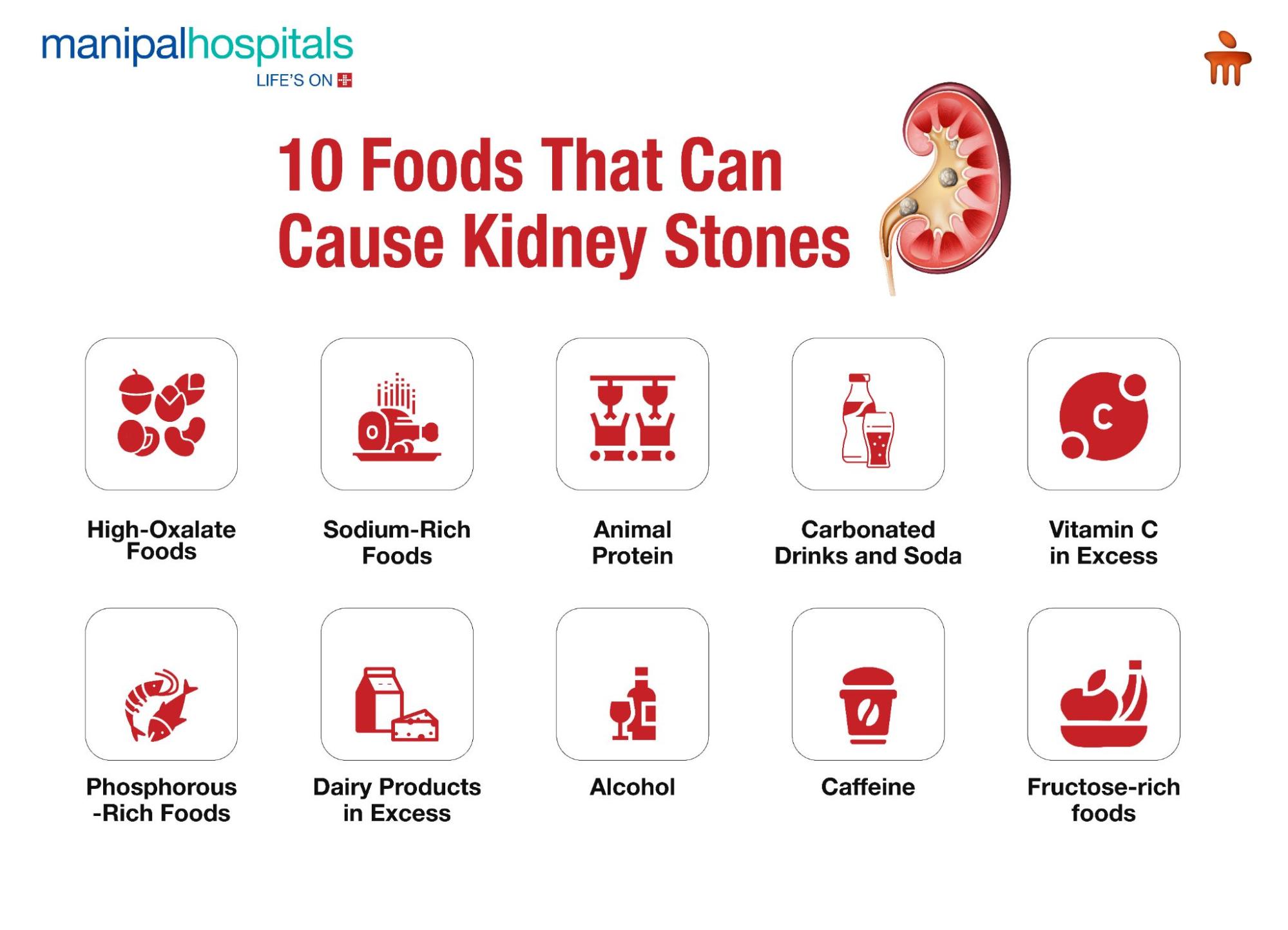
But if you're unsure or prone to kidney stones and want to take precautionary measures against all types, it's best to avoid this list of foods that cause kidney stones as a general guideline.
1. High-Oxalate Foods
Spinach, beets, okra, sweet potatoes, rhubarb, dark chocolate, cocoa powder, almonds, peanuts, cashews, raspberries, tea, and bran cereals are high in oxalates, which can bind with calcium in the kidneys and form stones. If you are at risk, limit your intake of these foods that promote kidney stones or eat or drink them with calcium-rich foods to reduce oxalate absorption.
2. Sodium-Rich Foods
Processed or canned foods, canned soups, packaged meals, some condiments, and fast food items contain high sodium levels, which increase calcium excretion in urine, leading to stone formation.
3. Animal Protein
Excessive consumption of red meat increases uric acid levels, which can lead to uric acid stones. A balanced diet with lean protein sources is advisable. Limit beef, pork, chicken, eggs, cheese, fish, and seafood if you are at risk of kidney stones.
4. Carbonated Drinks and Soda
Colas and sugary beverages contain phosphoric acid, which can increase the risk of kidney stones. Staying hydrated with water is a healthier alternative.
5. Vitamin C in Excess
Excess intake of vitamin-rich foods and supplements makes the body produce oxalate, a waste product, which might lead to kidney stones.
6. Phosphorous-Rich Foods
Phosphorus is commonly used as an additive and preservative in processed foods, which, when consumed in higher quantities, can lead to kidney stones. So, avoid packaged, frozen, and fast foods and always read the label for ingredients starting with “phos”.
7. Dairy Products in Excess
While moderate dairy consumption is beneficial, excessive calcium intake from supplements or high-dairy diets can contribute to stone formation, especially when combined with oxalate-rich foods.
8. Alcohol
Excess consumption of alcohol causes dehydration, interferes with normal renal function, and increases uric acid levels, increasing the risk of kidney stones.
9. Caffeine
Caffeine is known to dehydrate the body by causing fluid loss, leading to an increased risk of kidney stones.
10. Fructose-rich foods
Foods high in fructose can lead to stones, including sweeteners, fruits, and sugar-sweetened drinks. Some of these foods are high in fructose corn syrup, honey, apples, grapes, grape juices, and agave syrup.
How to prevent kidney stones with the right food?
The choice of food to eat, limit or avoid can be instrumental in preventing kidney stones:
Foods to eat in sufficient quantity
-
Citrus fruits: lemons, limes, and oranges should be taken daily for a regular supply of citrate, which blocks crystals from locking together.
-
Dietary calcium: 3 servings of low-fat milk, plain yogurt, or cheese everyday can help calcium to bind to oxalates in your digestive tract so they exit the body instead of reaching your kidneys.
Foods to avoid/limit
-
High-Sodium foods: processed meats, canned soups, fast food, and salty snacks are sources of high sodium which pushes excess calcium into your urine.
-
High-Oxalate foods: Spinach, beets, chocolate, and nuts need to be strictly avoided if you form calcium oxalate stones.
-
Excess animal protein: red meat, poultry, seafood, and eggs should be limited as these can increase uric acid and lower the protective citrate in your system.
-
High-dose vitamin-c supplements: Intake should not exceed the standard recommended amounts; doses over 1,000 mg per day can convert directly into oxalate.
When to see a doctor for kidney stones?
The red flags that suggest an urgent visit to your doctors, include:
-
Severe pain that does not improve with medicines
-
Fever and chills suggesting an infection
-
Vomiting to an extent that you are unable to drink water
-
Trouble or inability to pass urine
-
Pregnancy
-
Living with only one working kidney
-
New or strange pain in the back, side, or lower belly
-
Pink, red, or brown colour urine
-
Burning sensation while urinating
-
Urinating more often
Conclusion
Understanding what not to eat with kidney stones is essential for controlling their formation and preventing recurrence. If you are prone to kidney stones, avoiding or moderating the intake of foods that cause kidney stones can significantly reduce your risk. Staying hydrated, maintaining a balanced diet, and consulting a healthcare professional at Manipal Hospitals, Mukundapur, for dietary guidance can help you manage your kidney health and avoid the discomfort associated with kidney stones.
FAQ's
Knowing the type of stone helps in knowing its cause and gives clues on which foods to avoid to reduce the risk of getting more kidney stones. They are categorised based on the kind of crystals they consist of:
-
Calcium-oxalate and calcium phosphate stones: Calcium stones may form when you consume high-oxalate or low-calcium foods and are not drinking enough fluids. Calcium-oxalate stones are the most prevalent kidney stones.
-
Uric acid stones: A diet rich in animal proteins (beef, poultry, pork, eggs, and fish) causes the formation of uric acid stones.
-
Struvite stones: Struvite stones are caused by bacterial infections. Recurrent infections may result in a staghorn calculus, an extremely large kidney stone that typically must be removed surgically.
-
Cystine stones: Cystinuria is an inherited condition that results in cystine stones. Cysteine is a compound composed of two bound cysteine amino acids.
Several factors that contribute to kidney stone formation include:
-
Family history: A family or previous history of kidney stones
-
Dehydration: Not drinking enough water can lead to concentrated urine
-
Dietary Habits: Consuming foods that promote kidney stones, such as high-oxalate, high-sodium, or high-protein foods, can accelerate their formation.
-
Obesity: Weight gain and being obese
-
Medical Conditions: Conditions like hyperparathyroidism, renal tubular acidosis, cystinuria, repeated urinary infections, and gout can promote stone formation.
-
Medications: Certain medications, such as diuretics, calcium-based antacids, laxatives, and dietary supplements
Consult a doctor if you experience the following signs of kidney stones:
-
Sudden and severe pain in your side, lower abdomen, groin, or back that does not go away
-
Blood (red, pink, or brown) in your urine
-
Fever and chill
-
Vomiting
-
Bad-smelling or cloudy urine
-
Burning pain when you pee
-
Constant urge to urinate or inability to urinate fully
If your doctor believes your kidney stone will pass by itself, drink lots of water to flush it out. Take any medication as directed and follow your doctor's advice on what to eat or drink and what to avoid.
Drink plenty of water, lose weight if you are overweight, and add the following foods to your diet to prevent kidney stones. For personalised advice, consult with a doctor.
-
Citrus foods - oranges and lemon
-
Potassium-rich foods - Honeydew lemons, orange juice, bananas
-
Plant-based proteins - Nuts, nut butter, lentils, beans, tofu
-
Low salt foods
You should drink 2.5 to 3 liters (about 10 to 12 cups) of fluids daily. This helps to produce at least 2.5 liters of urine daily to keep your system flushed.
Share this article on: