5 Min Read
Every year, the global health community unites to observe World Asthma Day, a meaningful initiative aimed at spreading awareness and improving care for individuals living with asthma. Observed on the first Tuesday of May, this important day reminds us that although asthma is a chronic respiratory condition, it is highly manageable with the right approach.
At Manipal Hospital Kharadi, we are committed to empowering patients with accurate knowledge, advanced treatment options, and compassionate care. With over 300 million people affected worldwide, asthma continues to be a major public health concern. However, with early diagnosis and proper management, individuals can lead active, fulfilling lives.
Synopsis
- Understanding Asthma: Signs and Symptoms
- Asthma Attack Symptoms
- Asthma Treatment: Personalised and Effective
- Long-Term Control Medications
- Lifestyle Management: Breathe Better Every Day
- Key Lifestyle Tips
- Care Essentials: Do’s and Don’ts
- Expert Asthma Care at Manipal Hospital Kharadi
- A Message on World Asthma Day
Understanding Asthma: Signs and Symptoms
Asthma is a long-term condition that causes inflammation and narrowing of the airways, making it difficult to breathe. It can affect individuals of all age groups, often beginning in childhood. Recognising asthma signs and symptoms early is crucial for effective control and prevention of complications.
Common Asthma Signs and Symptoms
-
Wheezing: A whistling or squeaky sound while breathing
-
Shortness of breath: Difficulty in breathing or feeling breathless
-
Chest tightness: Pressure or discomfort in the chest
-
Persistent coughing: Especially at night, during exercise, or in cold air
Asthma Attack Symptoms
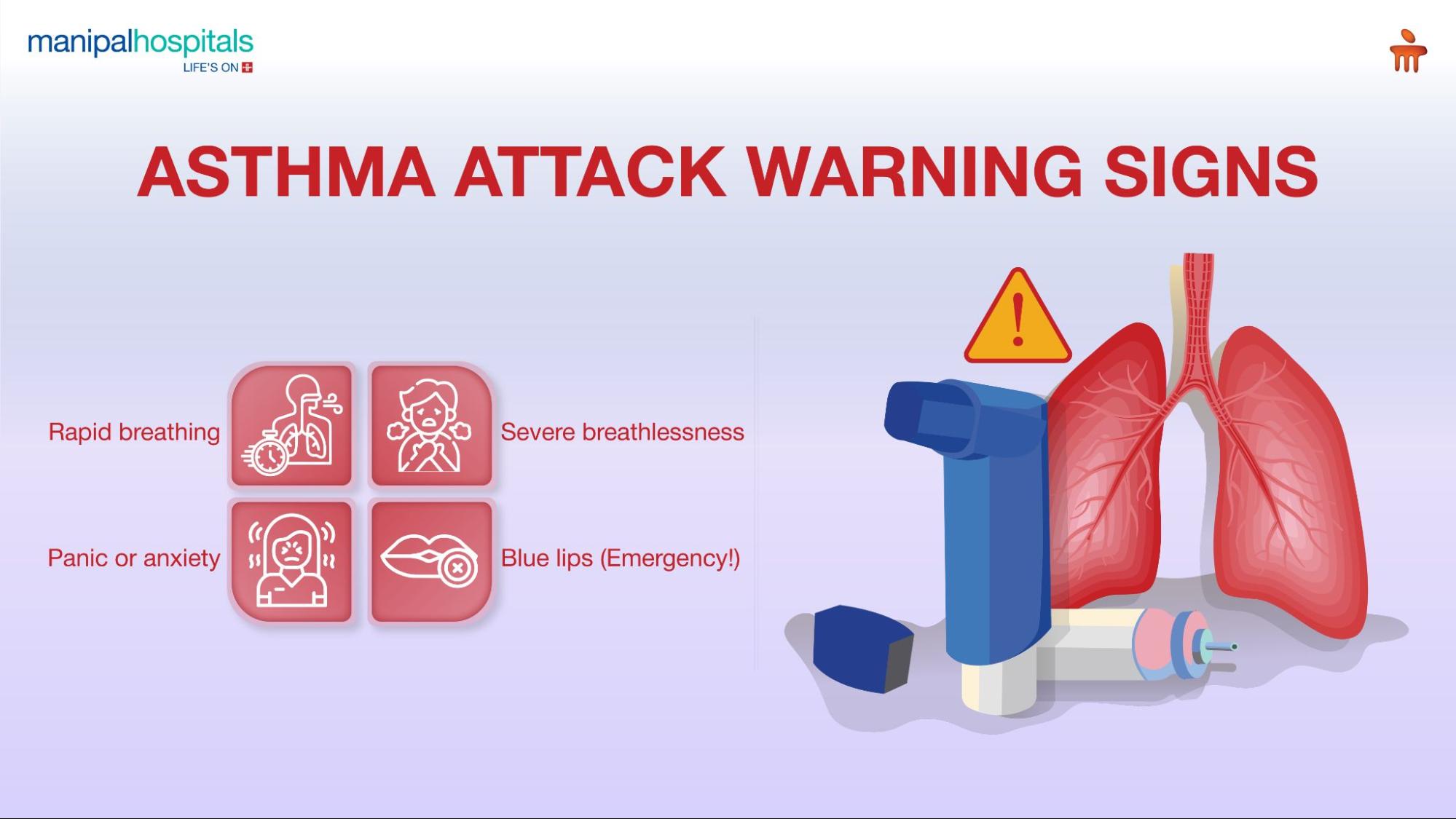
An asthma attack occurs when symptoms suddenly worsen due to severe airway narrowing. Warning signs include:
-
Severe breathlessness is making it hard to speak
-
Rapid breathing
-
Intense wheezing or coughing
-
Bluish lips or fingernails (a medical emergency)
-
Anxiety or panic
Early diagnosis and timely intervention can improve quality of life by up to 70% and significantly reduce the risk of severe attacks. If you notice these symptoms, seeking expert care at Manipal Hospital Kharadi can make a critical difference.
Asthma Treatment: Personalised and Effective
Asthma management is not one-size-fits-all. At Manipal Hospital Kharadi, treatment plans are tailored to each patient’s condition, triggers, and lifestyle. The goal is simple: control symptoms, prevent attacks, and enable a normal life.
Studies show that with proper treatment, over 80% of people with asthma achieve good symptom control.
Quick-Relief (Rescue) Medications
These medications provide immediate relief during an asthma attack by relaxing airway muscles.
When to use:
-
During sudden asthma symptoms
-
Before exercise (if exercise triggers symptoms)
-
As prescribed by your doctor
-
They act quickly but are not meant for long-term control.
Long-Term Control Medications
These medications are taken daily to reduce inflammation and prevent symptoms over time.
Types include:
-
Inhaled anti-inflammatory medicines: Reduce swelling and mucus
-
Long-acting bronchodilators: Keep airways open longer
-
Oral medications: Used in severe cases
-
Leukotriene modifiers: Block inflammation-causing chemicals
Consistent use of long-term medications can reduce hospital admissions by up to 60% and emergency visits by 75%. Even when symptoms improve, continuing medication is essential for sustained control.
Lifestyle Management: Breathe Better Every Day
Medication alone is not enough—lifestyle choices play a major role in asthma control. At Manipal Hospital Kharadi, we guide patients on practical lifestyle changes that improve lung health and reduce triggers.
Key Lifestyle Tips
Identify and Avoid Triggers
Common triggers include dust, pollen, smoke, pollution, pet dander, and strong chemicals. Understanding your triggers is the first step toward prevention.
Maintain a Clean Environment
-
Use dust-proof bedding
-
Clean regularly to reduce allergens
-
Consider air purifiers
Stay Physically Active
Regular exercise improves lung capacity by 10–15%. Activities like walking, swimming, and yoga can be beneficial when done under guidance.
Eat a Balanced Diet
A nutrient-rich diet supports immunity and overall respiratory health.
Manage Stress
Stress can worsen asthma symptoms. Practising yoga, meditation, and breathing exercises can help.
Quit Smoking
Smoking significantly worsens asthma and reduces treatment effectiveness. Avoid both active and passive smoking.
Care Essentials: Do’s and Don’ts
Do’s
-
Follow your asthma action plan strictly
-
Carry your inhaler at all times
-
Monitor symptoms regularly
-
Get vaccinated against the flu.
-
Attend routine doctor visits
Don’ts
-
Do not stop medications without medical advice
-
Do not ignore worsening symptoms
-
Avoid smoke and strong fumes
-
Do not rely only on rescue inhalers
-
Do not delay seeking medical help
Expert Asthma Care at Manipal Hospital Kharadi
At Manipal Hospital Kharadi, our pulmonologists and respiratory specialists offer:
-
Advanced diagnostic facilities
-
Personalised asthma management plans
-
Emergency care for severe asthma attacks
-
Long-term monitoring and patient education
We believe that the right guidance and continuous care can transform asthma from a limiting condition into a manageable part of life.
A Message on World Asthma Day
On World Asthma Day, let us raise awareness, support those living with asthma, and promote early diagnosis and effective care. With the right approach, asthma does not have to limit your life.
If you or your loved ones are experiencing asthma symptoms, don’t delay. Consult the experts at Manipal Hospital Kharadi and take a proactive step towards better breathing and a healthier future.
Disclaimer
This article is for informational purposes only and does not replace professional medical advice. Please consult a qualified healthcare provider for diagnosis and treatment of asthma or any other medical condition.
FAQ's
Asthma cannot be completely cured, but it can be effectively controlled with proper treatment and lifestyle adjustments.
Triggers include allergens (dust and pollen), pollution, smoke, infections, cold air, stress, and exercise.
Yes, with proper precautions and medical guidance, exercise is beneficial and improves lung function.
Initially, frequent visits may be needed. Once controlled, follow-ups every 6–12 months are usually sufficient.
While no diet cures asthma, healthy eating supports immunity and overall lung health.
Share this article on: