8 Min Read
Insulin resistance is something that many people live with without realising it at first. It may start with constant tiredness, feeling hungry more often, gaining weight around the waist, or simply not feeling as active as before. Since these changes happen slowly, they are often mistaken for stress, poor sleep, or a busy routine.
The condition develops when the body’s cells do not respond properly to insulin, the hormone that helps sugar move from the blood into the cells for energy. To handle this situation, the body starts making more insulin to keep blood sugar levels normal. Over time, such behaviour can increase the risk of prediabetes and type 2 diabetes.
Although insulin resistance is common, it can often be managed well with early attention. Simple changes like eating balanced meals, staying physically active, sleeping properly, and managing stress can help improve insulin sensitivity and support better overall health.
Synopsis
- What Is Insulin Resistance?
- What Causes Insulin Resistance?
- Common Insulin Resistance Symptoms
- How is insulin resistance diagnosed?
- Can Insulin Resistance Be Reversed?
- Insulin Resistance Treatment and Management Options
- Foods That Support Better Blood Sugar Control
- Exercise and Insulin Sensitivity
- Medications for Insulin Resistance
- Complications of Untreated Insulin Resistance
- Practical Lifestyle Tips
- When Should You See a Doctor?
- Conclusion
What Is Insulin Resistance?
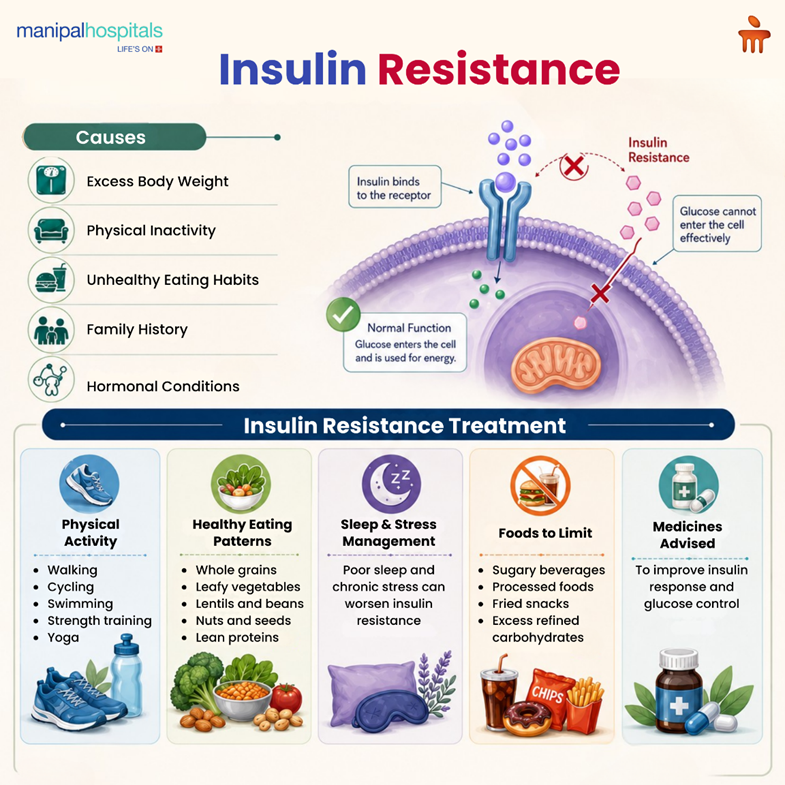
Insulin resistance is a condition in which the body’s cells, especially in the muscles, fat, and liver, stop responding properly to insulin. Normally, insulin helps glucose enter the cells, where it acts as fuel for them. The problem is when there is resistance, whereby glucose stays longer in the bloodstream.
To compensate, the body produces more insulin to help keep blood sugar levels under control. Initially, high amounts of insulin maintain normal blood sugar levels, but gradually, the pancreas will be unable to produce sufficient insulin, resulting in type 2 diabetes.
The condition is slowly progressive and often goes unnoticed in the early phase. Many people with insulin resistance feel completely well for years. Improving insulin sensitivity early can reduce the likelihood of diabetes and related metabolic complications.
What Causes Insulin Resistance?
There is no single cause behind insulin resistance. Several lifestyle and genetic factors usually contribute together.
-
Excess Body Weight: Carrying excess fat, particularly around the abdomen, is strongly linked with reduced insulin sensitivity. Abdominal fat affects hormone activity and increases inflammation within the body.
-
Physical Inactivity: A sedentary lifestyle reduces the muscles’ ability to use glucose effectively. Regular movement improves blood sugar control and helps cells respond better to insulin.
-
Unhealthy Eating Habits: Frequent intake of highly processed foods, sugary drinks, and refined carbohydrates may contribute to worsening insulin resistance over time.
-
Family History: Genetics also influence the likelihood of developing insulin-related metabolic disorders.
-
Hormonal Conditions: Certain endocrine disorders, including polycystic ovary syndrome and hormonal imbalances, may increase type 2 diabetes risk.
Common Insulin Resistance Symptoms
Many people don’t notice symptoms immediately. However, several warning signs and symptoms of insulin resistance may appear gradually.
-
Persistent Fatigue: Feeling tired even after adequate rest
-
Increased Hunger: Frequent hunger or cravings for sugary foods due to unstable glucose regulation
-
Weight Gain: Difficulty losing weight, especially around the waist
-
Darkened Skin Patches (acanthosis nigricans): Darker skin tone around the neck, underarms, or groin
-
Difficulty Concentrating: Poor concentration or low mental energy
As these insulin resistance symptoms may seem unrelated initially, many individuals delay seeking medical advice.
How is insulin resistance diagnosed?
Doctors usually evaluate symptoms, medical history, and blood test results together:
-
Blood Sugar Tests: Fasting blood glucose and HbA1c levels help assess long-term blood sugar control.
-
Insulin Levels: Elevated fasting insulin levels may suggest developing insulin resistance.
-
Cholesterol and Triglycerides: People with metabolic syndrome often show abnormal cholesterol levels alongside insulin problems.
-
Waist Circumference and Blood Pressure: Increased abdominal fat and high blood pressure can be signs of a higher risk of type 2 diabetes.
Detecting insulin resistance early often makes treatment easier and helps lower the risk of long-term complications.
Can Insulin Resistance Be Reversed?
One of the most common questions patients ask is whether insulin resistance can be cured completely. In many cases, the condition can improve a lot with lifestyle changes and medical care. Some people regain near‑normal insulin sensitivity, especially when treatment starts early.
However, some people may remain at higher risk, particularly if genetics or long-term metabolic factors are involved. Long-term habits, therefore, play an important role in maintaining results.
Management of insulin resistance is aimed at enhancing the effectiveness of insulin action in the body, maintaining normal glucose levels, and minimising the chances of developing complications from diabetes in the future.
Insulin Resistance Treatment and Management Options
Treatment plans vary depending on symptoms, weight, metabolic health, and blood sugar levels.
Weight Management
Even modest weight reduction may improve insulin sensitivity considerably. Losing abdominal fat often helps lower insulin levels and improve metabolism.
Physical Activity
Exercise is one of the most effective forms of insulin resistance treatment. Walking, strength training, cycling, and swimming all help muscles use glucose more efficiently.
Healthy Eating Patterns
Balanced meals rich in fibre, protein, vegetables, and whole grains support better blood sugar control.
Sleep Improvement
Poor sleep affects hormone balance and may worsen insulin resistance symptoms.
Stress Management
Chronic stress increases cortisol levels, which may interfere with glucose metabolism.
Foods That Support Better Blood Sugar Control
Food choices strongly influence metabolic health.
Helpful dietary choices include:
-
Whole grains
-
Leafy vegetables
-
Lentils and beans
-
Nuts and seeds
-
Lean proteins
-
Fruits in moderate portions
These foods digest more slowly and help stabilise blood sugar control throughout the day.
Foods to Limit
Highly processed foods, sugary beverages, fried snacks, and excessive refined carbohydrates may worsen insulin resistance, especially among people living near Jayanagar.
Exercise and Insulin Sensitivity
Regular physical activity plays an important role in improving insulin sensitivity by helping the body use insulin more effectively. Different forms of movement offer unique benefits, making it easier to choose activities that suit individual fitness levels and lifestyles. The table below highlights how various types of exercise can support insulin sensitivity and overall well-being:
|
Exercise Type |
How It Helps |
|
Walking |
Improves glucose use after meals |
|
Strength training |
Builds muscle and improves insulin sensitivity |
|
Cycling |
Supports cardiovascular health |
|
Swimming |
Low-impact full-body activity |
|
Yoga |
Helps stress management and flexibility |
Regular movement is still one of the most sure-fire ways to improve insulin sensitivity naturally.
Medications for Insulin Resistance
Some people require medication alongside lifestyle changes.
Metformin
Metformin is commonly prescribed as part of the treatment for insulin resistance. It may help to reduce glucose production in the liver and improve insulin response.
Other medications
Sometimes doctors will suggest medications for obesity, hormonal conditions, and diabetes prevention. Medication decisions depend on overall health and individual metabolic risk factors.
Complications of Untreated Insulin Resistance
Proper management should be practised to avoid the possible development of other diseases that can result from persistent insulin resistance. These include:
-
Type 2 diabetes
-
Hypertension
-
Fatty liver
-
Cardiovascular disease
-
Polycystic ovarian syndrome
-
Hypercholesterolemia (High cholesterol)
Practical Lifestyle Tips
Daily habits make a huge difference in handling metabolic conditions. Some examples of ways that may be effective are:
-
Stick to a regular schedule for your meals to maintain steady energy levels and prevent overeating.
-
Incorporate fibre-rich food, such as whole grains, fruits, and vegetables, into your daily diet to support healthy digestion.
-
Maintaining physical activity is another important factor to boost your metabolism and support overall cardiovascular health.
-
Limit consumption of sugary drinks to lower your daily calorie intake.
-
Ensure you get enough quality sleep each night to help with proper cellular repair and cognitive function.
-
Manage stress through mindfulness or hobbies to prevent emotional eating and reduce cortisol levels.
-
Consider periodic measurement of weight gain to ensure you stay on track with your health goals.
Gradual adjustments to your daily activities might help you achieve better control over your blood glucose levels.
When Should You See a Doctor?
Consultation with your doctor is recommended in case you have:
-
Experiencing unexplained tiredness
-
Fast weight gain
-
Hunger pangs
-
Prehistory of Diabetes within the family
-
Difficulty managing your blood glucose levels
Early diagnosis ensures good health results and enables insulin resistance treatment prior to developing diabetes.
Conclusion
Insulin resistance affects the bodily response to insulin as well as blood glucose regulation. Although it may contribute to type 2 diabetes, timely detection and lifestyle modifications can help enhance the body’s insulin response. Proper weight control, regular exercise, good nutrition, stress management, and treatment of insulin resistance are of paramount importance for overall health and well-being.
If you need a detailed assessment of your endocrine system, visit our best endocrinologists at Manipal Hospital Jayanagar and get a diabetes management plan.
FAQ's
Healthy eating, exercise, and weight management can significantly improve insulin sensitivity for many people. Early treatment often leads to fewer complications and a lower risk of diabetes later.
Insulin resistance symptoms comprise feelings of tiredness, higher hunger, accumulation of fats around the abdomen, skin pigmentation, and difficulties in regulating glucose levels.
There are many foods that have been found helpful in managing diabetes, such as whole grains, vegetables, lean proteins, nuts, seeds, beans, and other fibrous foods.
Yes. Exercise helps to maintain your body weight, improves your muscle strength, ensures proper use of glucose, and reduces insulin resistance.
Yes. Insulin resistance can lead to an elevated risk for Type 2 diabetes because eventually, the body will not be able to control the blood sugar levels.
Share this article on: