7 Min Read
World Liver Day is a powerful reminder to prioritise one of the most vital organs in the human body—the liver. Observed globally to raise awareness about liver-related conditions, World Liver Day encourages early detection and prevention, especially of increasingly common conditions like fatty liver disease. With changing lifestyles and dietary habits, more individuals are now at risk, making it crucial to recognise the early signs of fatty liver and take proactive steps.
Our gastroenterologists in Delhi, through awareness initiatives around World Liver Day, emphasise early screening, lifestyle modification, and timely care. Listening to expert advice—such as that from our gastroenterologists in Delhi—can significantly reduce the burden of liver disease and improve long-term outcomes.
Synopsis
- Why World Liver Day Matters More Than Ever
- What is Fatty Liver Disease?
- Early Signs of Fatty Liver You Should Not Ignore
- Common Risk Factors for Fatty Liver
- Fatty Liver Diagnosis: How is it Detected?
- How to Improve Liver Health Naturally
- Preventing Liver Disease: Simple Yet Effective Steps
- When Should You See a Doctor?
- The Role of Awareness in Liver Health
- Final Thoughts
Why World Liver Day Matters More Than Ever
World Liver Day is not just about awareness—it is about action. Liver diseases often progress silently, showing minimal symptoms until advanced stages. Conditions like non-alcoholic fatty liver disease (NAFLD) are becoming increasingly prevalent due to sedentary lifestyles, poor diet, and rising obesity rates.
Healthcare experts, including our gastroenterologists in Delhi, stress that early recognition of liver disease symptoms can prevent complications such as cirrhosis or liver failure. By focusing on education and prevention, World Liver Day serves as a global call to safeguard liver health.
What is Fatty Liver Disease?
Fatty liver disease occurs when excess fat accumulates in liver cells. It is broadly classified into:
-
Non-alcoholic fatty liver disease (NAFLD) – Not related to alcohol consumption
-
Alcoholic fatty liver disease (AFLD) – Caused by excessive alcohol intake
If left untreated, fatty liver can progress to inflammation, fibrosis, and even cirrhosis. Understanding fatty liver symptoms and seeking timely care is essential.
Early Signs of Fatty Liver You Should Not Ignore
One of the biggest challenges with fatty liver is that symptoms are often subtle or absent in the early stages. However, recognising the early signs of fatty liver can make a significant difference.
-
Persistent Fatigue - Feeling constantly tired or low on energy is one of the most common fatty liver symptoms. This happens due to impaired liver function affecting metabolism.
-
Discomfort in the Upper Right Abdomen - A mild, dull ache in the upper right side of the abdomen may indicate liver enlargement, an important clue among liver disease symptoms.
-
Unexplained Weight Gain - Sudden or gradual weight gain, particularly around the abdomen, is often linked with fatty liver and metabolic syndrome.
-
Loss of Appetite - A reduced desire to eat can be an early warning sign and is frequently associated with underlying liver issues.
-
Mild Jaundice (in advanced early stages) - Yellowing of the skin or eyes, although less common initially, is one of the more noticeable liver disease symptoms.
-
Brain Fog - Difficulty concentrating or mild confusion may occur due to toxin buildup when the liver is not functioning efficiently.
Experts, including our gastroenterologists in Delhi, recommend not ignoring even mild symptoms, as early intervention can reverse fatty liver in many cases.
Common Risk Factors for Fatty Liver
Understanding risk factors helps in early prevention and timely fatty liver diagnosis. Key contributors include:
-
Obesity or overweight
-
Type 2 diabetes
-
High cholesterol levels
-
Sedentary lifestyle
-
Poor dietary habits (high sugar and processed foods)
-
Excessive alcohol consumption
Identifying these risks during World Liver Day campaigns can encourage timely screening.
Fatty Liver Diagnosis: How is it Detected?
Accurate fatty liver diagnosis involves a combination of clinical evaluation and diagnostic tests.
-
Blood Tests - Liver function tests (LFTs) help detect abnormalities in liver enzymes.
-
Imaging Tests - Ultrasound, CT scan, or MRI can identify fat accumulation in the liver.
-
FibroScan - A non-invasive test that measures liver stiffness and fat content.
-
Liver Biopsy (in rare cases) - Used when advanced disease is suspected.
Early fatty liver diagnosis is crucial to prevent progression to severe liver conditions.
How to Improve Liver Health Naturally
If you are wondering how to improve liver health, the good news is that lifestyle changes can significantly reverse early-stage fatty liver.
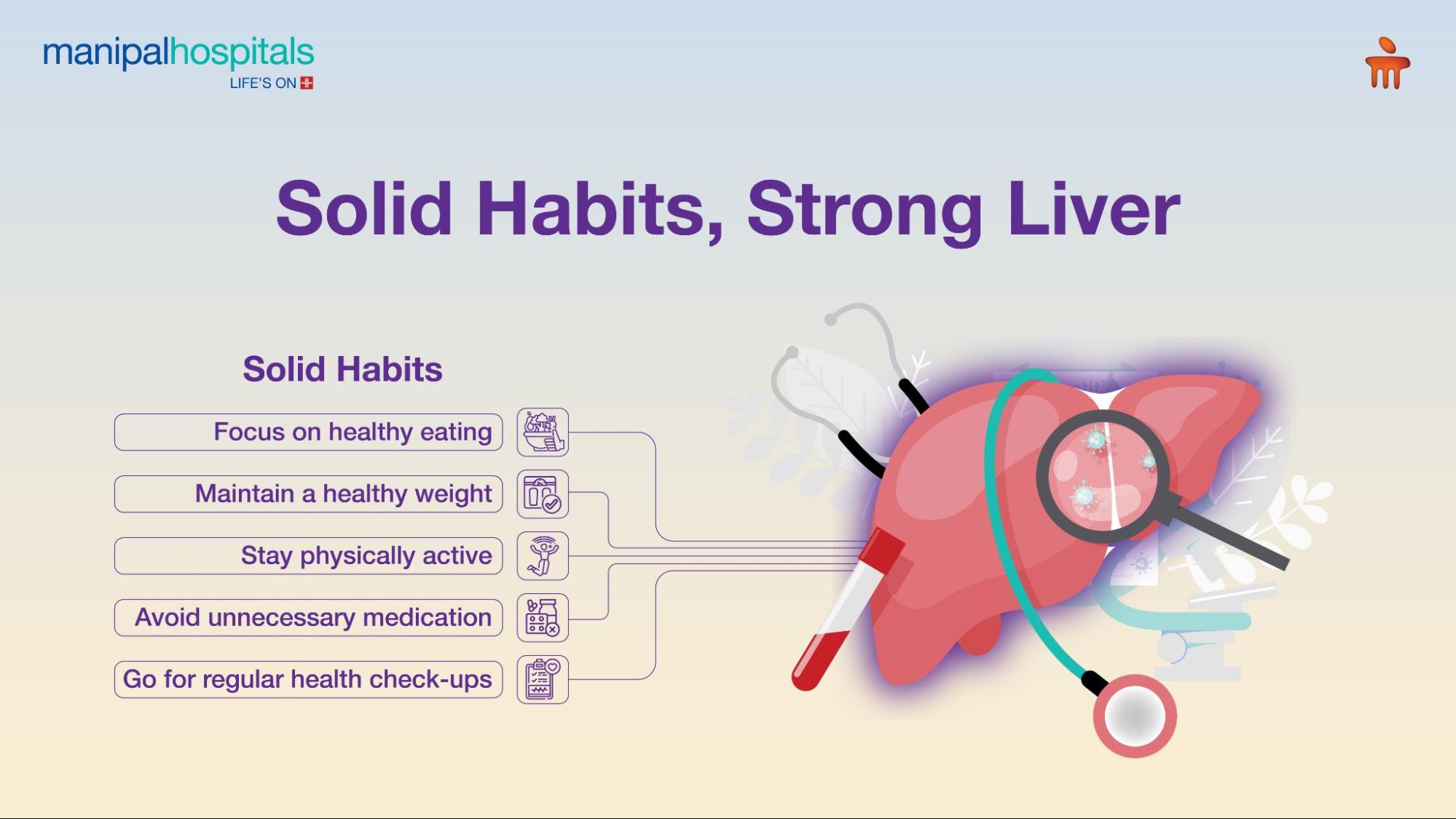
1. Maintain a Healthy Weight - Weight loss of even 5–10% can reduce liver fat significantly.
2. Follow a Balanced Diet
Include:
-
Fresh fruits and vegetables
-
Whole grains
-
Lean proteins
-
Healthy fats (like nuts and olive oil)
-
Avoid processed foods, sugary drinks, and excessive salt.
3. Exercise Regularly - Engage in at least 30 minutes of moderate physical activity daily. Exercise helps reduce fat accumulation in the liver.
4. Limit Alcohol Intake - Reducing or eliminating alcohol is essential for preventing liver damage.
5. Stay Hydrated - Adequate water intake supports detoxification and overall liver function.
6. Manage Underlying Conditions - Control diabetes, cholesterol, and blood pressure to protect liver health.
Healthcare professionals, including our gastroenterologists in Delhi, often highlight that consistency in these habits is key when considering how to improve liver health.
Preventing Liver Disease: Simple Yet Effective Steps
Prevention is always better than cure—especially when it comes to liver health. On World Liver Day, adopting these habits can make a long-term difference:
-
Get regular health check-ups
-
Avoid self-medication
-
Get vaccinated for hepatitis
-
Practise safe hygiene
-
Avoid exposure to toxins
Recognising liver disease symptoms early and acting promptly can prevent complications.
When Should You See a Doctor?
Consult a specialist if you notice:
-
Abdominal discomfort
-
Sudden weight changes
-
Yellowing of eyes or skin
-
Abnormal blood test results
Early consultation ensures timely fatty liver diagnosis and better treatment outcomes.
The Role of Awareness in Liver Health
Awareness initiatives like World Liver Day play a crucial role in educating people about prevention, early detection, and treatment. With increasing cases of fatty liver disease, public health campaigns are more important than ever.
Listening to medical experts and undergoing regular screenings can help identify early signs of fatty liver before they progress into serious conditions.
Final Thoughts
World Liver Day is a timely reminder to take your liver health seriously. Fatty liver disease may be silent in the beginning, but recognising the early signs of fatty liver, understanding fatty liver symptoms, and focusing on how to improve liver health can make a significant difference.
With the right lifestyle changes, early fatty liver diagnosis, and expert guidance—such as that offered by our gastroenterologists in Delhi—it is possible to prevent, manage, and even reverse fatty liver disease.
Take this World Liver Day as an opportunity to make informed choices and prioritise your liver health—because a healthy liver means a healthier life.
FAQ's
World Liver Day is observed to raise awareness about liver health and encourage early detection of liver conditions. It highlights the importance of recognising liver disease symptoms, adopting a healthy lifestyle, and seeking timely medical care to prevent complications.
The most common fatty liver symptoms include persistent fatigue, mild abdominal discomfort (especially on the right side), unexplained weight gain, and loss of appetite. In some cases, people may not notice any symptoms until the condition progresses.
The early signs of fatty liver are often subtle and may include tiredness, slight abdominal pain, and metabolic changes such as weight gain. Identifying these early warning signs is crucial for timely intervention and preventing disease progression.
Fatty liver diagnosis typically involves blood tests to check liver enzymes, imaging tests like ultrasound or MRI, and sometimes specialised tests like FibroScan. Early diagnosis helps in managing the condition effectively and preventing complications.
If you’re wondering how to improve liver health, focus on maintaining a balanced diet, exercising regularly, staying hydrated, limiting alcohol intake, and managing underlying conditions like diabetes or high cholesterol. These steps can significantly improve liver function and even reverse early-stage fatty liver.
Share this article on: