6 Min Read
Ensuring your child receives vaccines on time is one of the most effective ways to protect them from preventable diseases. A structured vaccination schedule for children provides immunity at the right stages of growth and development. Our paediatricians in Delhi strongly recommend that parents carefully follow the recommended immunisation schedule for children to safeguard long-term health. By understanding the child vaccination chart, keeping track of the baby's immunisation schedule, and reviewing recommended vaccines by age, families can make informed healthcare decisions with confidence.
This detailed guide explains the complete vaccination schedule for children, arranged age-wise, while highlighting its importance, safety, and practical implementation.
Synopsis
- Why the Vaccination Schedule for Children Is Essential
- Vaccination Schedule for Children at Birth
- Vaccination Schedule for Children: 6 Weeks to 6 Months
- Vaccination Schedule for Children: 6 Months to 1 Year
- Vaccination Schedule for Children: 1 to 5 Years
- Vaccination Schedule for Children: 5 to 12 Years
- Catch-Up Vaccination and Missed Doses
- Safety of the Vaccination Schedule for Children
- Record Keeping and Monitoring
- Conclusion
Why the Vaccination Schedule for Children Is Essential
The vaccination schedule for children is carefully developed based on global medical research and national health guidelines. It ensures vaccines are administered at a time when a child’s immune system can produce the strongest protective response.
Following the immunisation schedule for children helps prevent serious infections such as measles, polio, hepatitis, and whooping cough. The structured child vaccination chart provides clarity on timing and dosage intervals.
The baby immunisation schedule begins immediately after birth because newborns are particularly vulnerable. Adhering to recommended vaccines by age protects not only individual children but also the wider community through herd immunity.
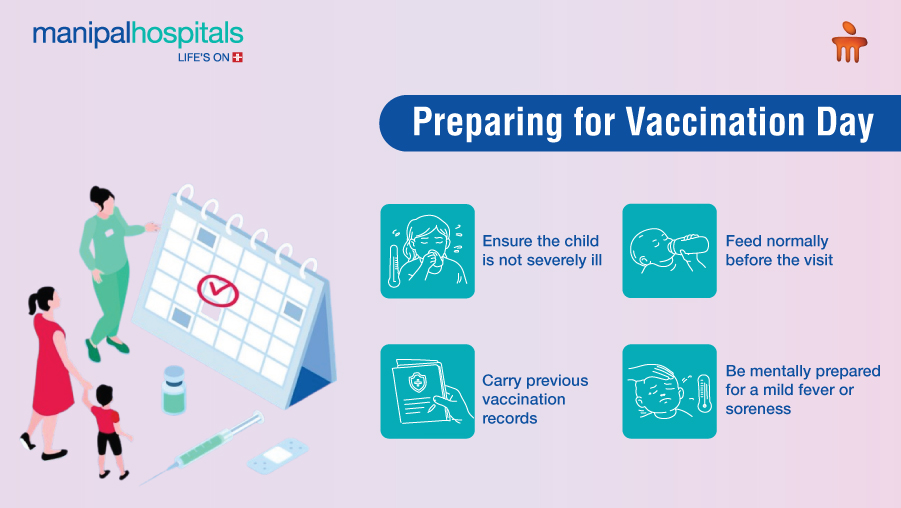
Vaccination Schedule for Children at Birth
The vaccination schedule for children begins on the first day of life. Early immunisation builds foundational immunity.
Vaccines at Birth:
-
BCG (Tuberculosis protection)
-
Hepatitis B (first dose)
-
Oral Polio Vaccine (OPV zero dose)
These vaccines form the first entries in the child's vaccination chart. The baby immunisation schedule emphasises timely administration before hospital discharge.
Strict adherence to the immunisation schedule for children ensures early protection. Following the correct vaccines by age timeline reduces the risk of severe neonatal infections.
Vaccination Schedule for Children: 6 Weeks to 6 Months
During infancy, the vaccination schedule for children requires multiple doses to strengthen immunity.
Common Vaccines in This Stage:
-
DTP (Diphtheria, Tetanus, Pertussis)
-
IPV (Polio)
-
Hib
-
Rotavirus
-
Pneumococcal vaccine
This stage of the baby immunisation schedule involves repeat doses, clearly outlined in the child vaccination chart. Maintaining the recommended immunisation schedule for children prevents gaps in protection.
Understanding vaccines by age helps parents anticipate upcoming appointments and avoid delays.
Vaccination Schedule for Children: 6 Months to 1 Year
As the immune system matures, the vaccination schedule for children introduces additional protection.
Recommended Vaccines:
-
Influenza vaccine (annual)
-
Booster doses as per schedule
The child vaccination chart at this stage ensures booster compliance. The baby immunisation schedule reinforces earlier vaccines to maintain immunity levels.
Parents should regularly review the immunisation schedule for children with their healthcare provider. Keeping track of vaccines by age ensures that no critical immunisation is overlooked.
Vaccination Schedule for Children: 1 to 5 Years
Toddlerhood and preschool years are vital stages in the vaccination schedule for children.
Vaccines in Early Childhood:
-
MMR (Measles, Mumps, Rubella)
-
Varicella (Chickenpox)
-
Hepatitis A
-
DTP booster
-
Polio booster
The updated child vaccination chart highlights essential boosters in this phase. The immunisation schedule for children during these years ensures long-term immunity against contagious illnesses.
Following the baby immunisation schedule as it transitions into early childhood planning helps maintain consistent protection. Reviewing recommended vaccines by age ensures timely school-entry compliance.
Our paediatricians in Delhi frequently counsel families about completing booster doses within the vaccination schedule for children to prevent avoidable infections.
Vaccination Schedule for Children: 5 to 12 Years
The vaccination schedule for children continues into school-age years, focusing on sustained immunity.
Important Vaccines:
-
DTP booster
-
Typhoid vaccine
-
HPV vaccine (age-appropriate)
-
Annual influenza vaccine
The child vaccination chart guides boosters and adolescent doses. Maintaining the immunisation schedule for children during these years ensures protection against emerging health risks.
Understanding vaccines by age helps parents prepare for adolescent immunisation milestones.
Catch-Up Vaccination and Missed Doses
Occasionally, doses in the vaccination schedule for children may be delayed due to illness or travel. In such cases, catch-up vaccination is recommended.
The child vaccination chart allows healthcare providers to adjust the immunisation schedule for children without restarting the entire series. Following updated vaccines according to age guidelines ensures children regain protection promptly.
Consultation with qualified doctors ensures the baby's immunisation schedule remains accurate and safe.
Safety of the Vaccination Schedule for Children
Vaccines included in the vaccination schedule for children undergo rigorous clinical trials and safety monitoring. Mild reactions such as low-grade fever or injection site discomfort are common and temporary.
The immunisation schedule for children is structured to maximise efficacy while minimising risk. The child vaccination chart ensures correct intervals between doses.
Parents concerned about side effects should discuss specific vaccines by age with their doctor. Maintaining trust in the baby immunisation schedule is critical for preventing vaccine-preventable diseases.
Record Keeping and Monitoring
Maintaining an updated child vaccination chart is essential for tracking the vaccination schedule for children.
Parents should:
-
Preserve vaccination records
-
Verify entries after each visit
-
Review the immunisation schedule for children annually
Monitoring vaccines by age simplifies school admissions and travel requirements.
Conclusion
A comprehensive vaccination schedule for children is the cornerstone of preventive healthcare. By following the recommended immunisation schedule for children, updating the child vaccination chart, adhering to the structured baby immunisation schedule, and reviewing necessary vaccines by age, parents ensure their child receives optimal protection.
Timely immunisation reduces disease burden, prevents complications, and promotes community health. Regular consultation with healthcare professionals supports adherence to the vaccination schedule for children, helping families build a strong foundation for lifelong well-being.
FAQ's
The vaccination schedule for children ensures timely protection against infectious diseases through a structured immunisation schedule for children.
A child vaccination chart lists all recommended vaccines, doses, and timelines within the baby immunisation schedule and overall vaccines by age guidance.
Missed doses in the vaccination schedule for children can usually be managed with catch-up vaccination under the revised immunisation schedule for children.
Yes, vaccines in the baby immunisation schedule are extensively tested and monitored for safety before inclusion in the vaccination schedule for children.
The vaccination schedule for children extends from birth through adolescence, following the recommended vaccines by age to maintain long-term immunity.
Share this article on: