5 Min Read
Scoliosis is a spinal condition that affects people of all ages, often developing silently before visible changes appear. Scoliosis, characterised by an abnormal sideways curvature of the spine, can range from mild and harmless to severe and life-altering. Early recognition and timely care are essential, and guidance from specialists such as our spine specialists in Delhi can make a significant difference in outcomes. Understanding what scoliosis is, why it develops, how it presents, and which scoliosis treatment options are available empowers patients and families to make informed decisions about spinal health.
This comprehensive guide explains what scoliosis is, explores its causes, outlines its symptoms, discusses the different types of scoliosis, and details the best evidence-based treatment approaches available today.
Synopsis
What Is Scoliosis?
To understand scoliosis, it is important to know that scoliosis is not just poor posture. Scoliosis is a structural spinal deformity where the spine curves sideways, often forming an “S” or “C” shape when viewed from the back. In many cases, scoliosis also involves rotation of the vertebrae, making the rib cage or waist appear uneven.
Key Characteristics of Scoliosis
-
Sideways curvature of the spine
-
Uneven shoulders or hips
-
Prominent shoulder blade
-
Possible spinal rotation
Scoliosis may appear during growth spurts in childhood or adolescence, but it can also develop or worsen in adulthood.
Understanding Scoliosis Causes
Scoliosis causes vary depending on the type and age of onset. In many individuals, the exact reason remains unknown.
Common Scoliosis Causes
-
Idiopathic causes (most common, especially in adolescents)
-
Congenital spinal abnormalities are present at birth
-
Neuromuscular conditions such as cerebral palsy
-
Degenerative spinal changes in adults
-
Spinal injuries or infections
Identifying scoliosis causes is important because it directly influences scoliosis treatment planning and long-term monitoring strategies.
Scoliosis Symptoms: What to Watch For
Scoliosis symptoms can be subtle initially and often go unnoticed until curvature progresses.
Common Scoliosis Symptoms
-
Uneven shoulder height – One shoulder may sit noticeably higher, often visible in mirrors or photographs, especially when standing relaxed or wearing fitted clothing.
-
One hip appearing higher than the other – Pelvic imbalance may cause one hip to rise, affecting walking pattern, clothing fit, and overall body symmetry.
-
Tilted posture – The body may lean to one side, creating an imbalanced stance that becomes more obvious during standing or walking.
-
Back pain or stiffness – Persistent discomfort or tightness in back muscles may worsen after activity, prolonged sitting, or poor posture habits.
-
Fatigue after prolonged standing – Muscles work harder to maintain balance, leading to early tiredness and discomfort during long periods of standing.
In severe scoliosis, symptoms may include breathing difficulties or reduced lung capacity due to chest compression.
Types of Scoliosis
Understanding the types of scoliosis helps determine prognosis and treatment needs.
Major Types of Scoliosis
Idiopathic Scoliosis
The most common form, idiopathic scoliosis, usually appears in children or teenagers with no identifiable cause.
Congenital Scoliosis
Caused by abnormal spinal development before birth, congenital scoliosis often requires early monitoring and intervention.
Neuromuscular Scoliosis
Associated with neurological or muscular disorders, this type of scoliosis tends to progress rapidly.
Degenerative Scoliosis
Seen in older adults, degenerative scoliosis develops due to wear-and-tear changes in spinal discs and joints.
Each of these types of scoliosis presents unique challenges and requires a tailored scoliosis treatment approach.
How Scoliosis Is Diagnosed
Accurate diagnosis is critical for effective scoliosis management.
Diagnostic Methods for Scoliosis
-
Test
-
Purpose
-
Physical examination- Detects visible asymmetry
-
X-rays- Measure spinal curvature angle
-
MRI- Evaluates the spinal cord and nerves
-
CT scan- Assesses complex bone structures
Early diagnosis, often recommended by our spine specialists in Delhi, allows timely intervention before progression.
When Does Scoliosis Need Treatment?
Not all scoliosis cases require aggressive intervention. The need for scoliosis treatment depends on:
-
Degree of spinal curvature
-
Age and growth potential
-
Type of scoliosis
-
Presence of symptoms
Mild scoliosis may only need observation, while moderate to severe cases require active management.
Scoliosis Treatment Options
Modern scoliosis treatment focuses on preventing progression, relieving symptoms, and improving quality of life.
-
Non-Surgical Scoliosis Treatment
-
Observation and monitoring
-
Bracing for growing children
-
Physiotherapy and posture correction
-
Pain management strategies
Treatment Method
Best For
|
Treatment Method |
Best For |
|
Bracing |
Adolescents with moderate curves |
|
Physiotherapy |
Mild to moderate scoliosis |
|
Pain management |
Adult scoliosis |
Non-surgical scoliosis treatment is often the first line of care.
Surgical Scoliosis Treatment
Deformity correction surgery may be recommended for severe scoliosis or rapidly progressing curves.
-
Surgical Goals in Scoliosis
-
Correct spinal curvature
-
Prevent further progression
-
Improve posture and balance
-
Protect nerve function
Surgical scoliosis treatment typically involves spinal fusion and is carefully planned by experienced teams such as our spine specialists in Delhi.
Scoliosis in Children vs Adults
Key Differences
|
Aspect |
Children |
Adults |
|
Progression |
Faster during growth |
Slower but painful |
|
Symptoms |
Often painless |
Back pain common |
|
Treatment focus |
Prevent progression |
Pain relief and function |
Understanding these differences helps personalise scoliosis treatment strategies.
Long-Term Outlook for Scoliosis
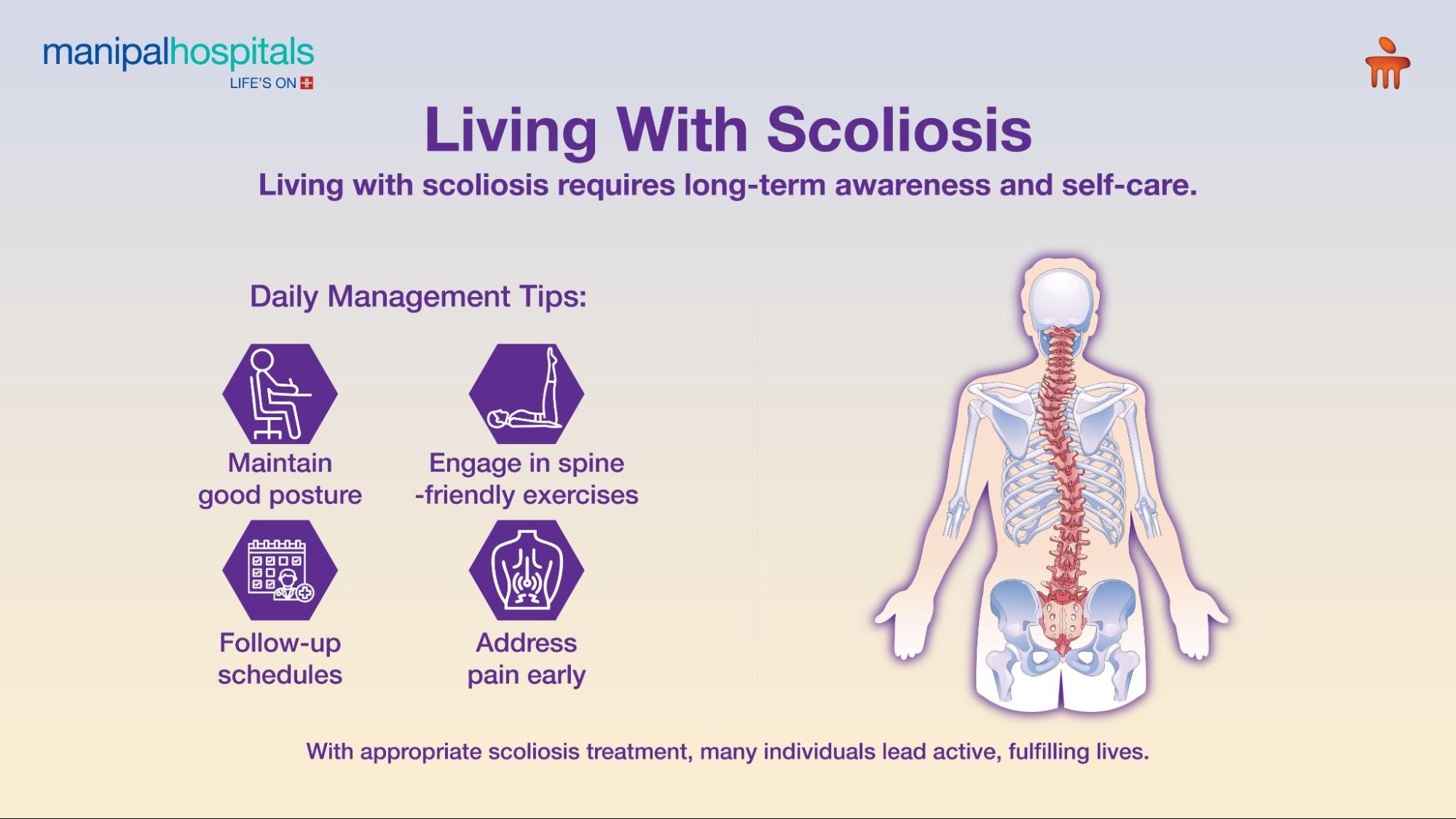
The long-term outlook for scoliosis depends on early detection, type, and treatment adherence. Regular monitoring ensures timely adjustments in care. With guidance from experts like our spine specialists in Delhi, outcomes are often positive.
Prevention and Early Detection
While not all scoliosis cases are preventable, early screening plays a vital role.
-
Preventive Measures
-
School screening programmes
-
Regular paediatric check-ups
-
Prompt evaluation of posture changes
Early action reduces the need for invasive scoliosis treatment later.
Conclusion
Scoliosis is a complex spinal condition that varies widely in cause, presentation, and severity. Understanding what is scoliosis, recognising scoliosis symptoms early, identifying scoliosis causes, and knowing the different types of scoliosis empowers patients to seek timely care. With advancements in scoliosis treatment, both non-surgical and surgical options offer effective solutions. Under the guidance of experienced professionals such as our spine specialists in Delhi, individuals with scoliosis can achieve better posture, reduced pain, and improved quality of life.
FAQ's
Scoliosis is a condition where the spine curves sideways instead of remaining straight.
Common scoliosis symptoms include uneven shoulders, tilted posture, and back pain.
Scoliosis causes may include idiopathic factors, congenital spine defects, neuromuscular conditions, or age-related degeneration.
No, many scoliosis cases are managed with observation, bracing, or physiotherapy without surgery.
Yes, scoliosis treatment in adults focuses on pain relief, posture improvement, and preventing progression.
Share this article on:


.webp "Warning Signs of a Spinal Infection")