6 Min Read
It's a common misconception that thyroid issues predominantly affect women. While statistics show a higher prevalence in women, men are far from immune, and when hypothyroidism in men occurs, its symptoms are frequently missed or misattributed to other causes like ageing or stress. This delay in diagnosis can lead to significant health complications and a diminished quality of life. Understanding the often-subtle signs of `Thyroid hormone deficiency` is paramount for early intervention. This article sheds light on these crucial signs, emphasising why early detection through expert consultation, especially with specialists like our endocrinologists in Delhi, is vital for maintaining optimal health and quality of life.
At Manipal Hospitals, we see many cases where `Thyroid problems in men` are only identified after symptoms become considerably bothersome. Recognising the full spectrum of `Symptoms of hypothyroidism in men` is crucial for timely diagnosis and management.
Synopsis
Understanding Hypothyroidism: More Than Just a "Slow Thyroid"
Hypothyroidism, also known as an underactive thyroid, occurs when your thyroid gland doesn't produce enough thyroid hormones. These hormones are vital for regulating metabolism, energy levels, body temperature, and almost every organ function. When production dips, your body's processes slow down. While `weight gain in men` is a commonly associated symptom, it's just one piece of a larger, often complex puzzle.
Globally, approximately 1-2% of men suffer from hypothyroidism, and this number rises with age. However, studies suggest that up to 60% of cases in men may go undiagnosed, primarily due to non-specific symptoms and a lack of awareness.
Why Are Hypothyroidism Symptoms Often Missed in Men?
The insidious nature of `hypothyroidism in men` means symptoms develop gradually, often mimicking other conditions. Men might rationalise fatigue, decreased libido, or `weight gain in men` as natural consequences of ageing, demanding careers, or lifestyle choices. Additionally, societal norms can lead men to be less proactive in seeking medical advice for subtle changes. This often means that by the time a man seeks help, the condition may be more advanced.
Key Symptoms of Hypothyroidism in Men to Watch For
While `Thyroid and weight gain` is a well-known connection, `Symptoms of hypothyroidism in men` extend far beyond that. Here’s what men and their families should be particularly attentive to:
-
Persistent Fatigue: Feeling constantly tired, even after adequate rest, is one of the most common and earliest signs. It's more than just being sleepy; it's a profound lack of energy that impacts daily activities.
-
Unexplained Weight Gain: This is a classic symptom. Even with no change in diet or activity, men might notice `weight gain in men`, often accompanied by difficulty losing it. This is linked to a slowed metabolism caused by `Thyroid hormone deficiency`.
-
Changes in Mood and Cognition: Hypothyroidism can manifest as depression, irritability, difficulty concentrating ("brain fog"), and memory problems. These mental health aspects are often overlooked.
-
Muscle Weakness and Aches: Generalised muscle weakness, stiffness, and joint pain can be prominent. This can impact physical performance and quality of life.
-
Hair Loss: Thinning hair, particularly on the scalp, eyebrows (especially the outer third), and body, can be a sign of `Thyroid problems in men.
-
Cold Intolerance: Feeling unusually cold even in moderate temperatures, or being unable to warm up, is a tell-tale sign due to the body's slowed metabolism.
-
Constipation: A sluggish digestive system leading to frequent constipation is a common gastrointestinal symptom.
-
Sexual Dysfunction: Decreased libido, erectile dysfunction, and reduced sperm count are significant `Symptoms of hypothyroidism in men that can severely impact quality of life and relationships. Up to 60% of men with untreated hypothyroidism report some form of sexual dysfunction.
-
Skin and Nail Changes: Dry, rough skin, brittle nails, and even a yellowish tinge to the skin can occur.
The Connection: Thyroid and Weight Gain in Men
One of the most frustrating `Symptoms of hypothyroidism in men` is `weight gain in men. The thyroid gland plays a central role in regulating metabolism, the process by which your body converts food into energy. When `Thyroid hormone deficiency` occurs, the metabolic rate slows down considerably. This means your body burns fewer calories, leading to the accumulation of excess weight, even if your caloric intake hasn't increased. Moreover, hypothyroidism can cause fluid retention, which also contributes to increased body weight. Understanding these `Causes of weight gain in men` is crucial for effective management and can differentiate thyroid-related weight gain from other lifestyle factors.
Many patients who seek help from our endocrinologists in Delhi report significant weight challenges that they initially couldn't explain, highlighting the critical role of thyroid health.
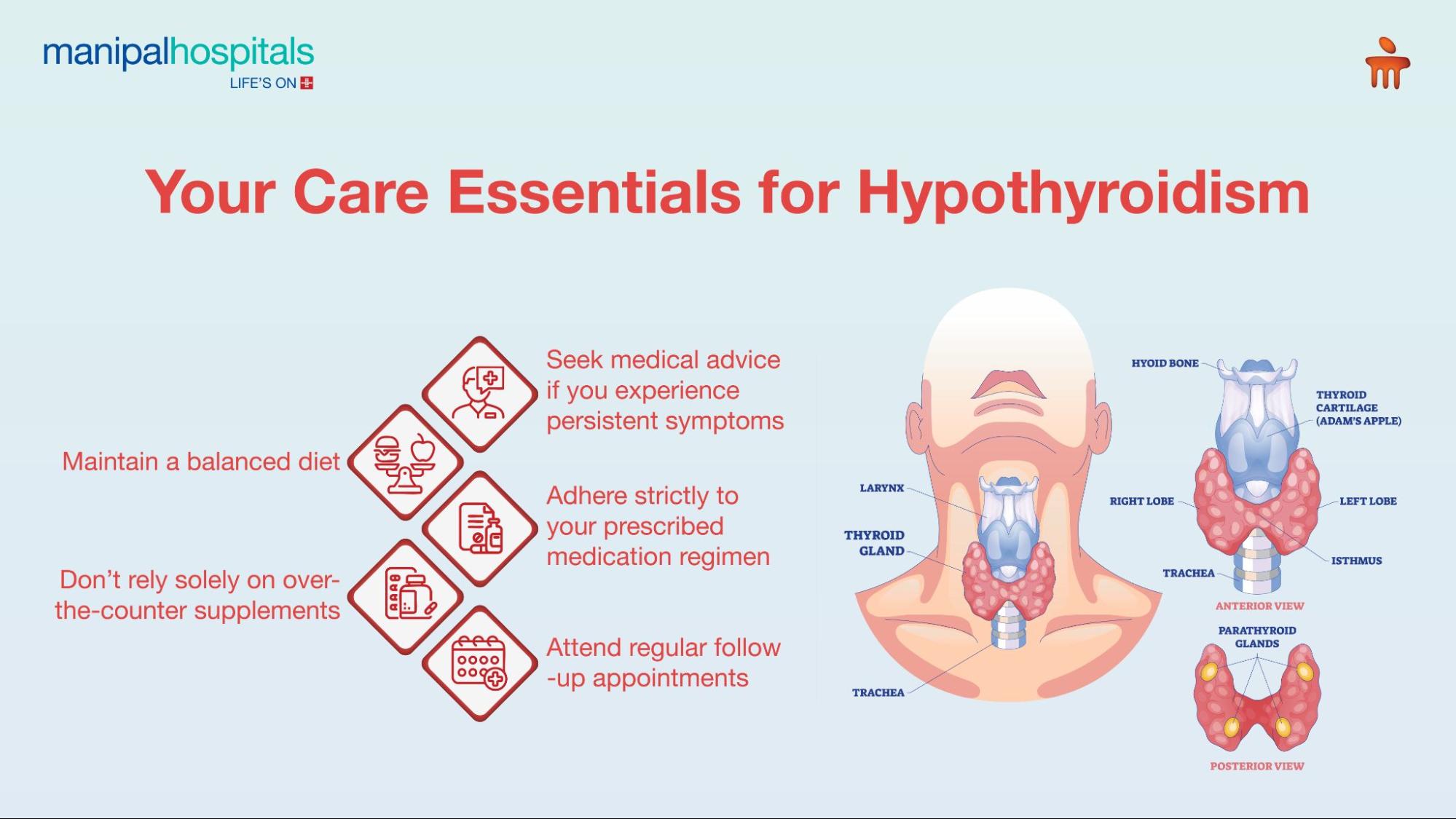
Diagnosis and Management: Taking Control of Your Health
Diagnosing `hypothyroidism in men` is straightforward, typically involving a simple blood test that measures thyroid-stimulating hormone (TSH) levels. If TSH is elevated, further tests like T4 (thyroxine) may be conducted to confirm the diagnosis.
Once diagnosed, hypothyroidism is highly manageable with synthetic thyroid hormone replacement therapy. Most men experience a significant improvement in symptoms within a few weeks of starting treatment. Studies show that over 90% of patients achieve symptomatic relief and improved quality of life with consistent treatment and regular follow-ups.
Early detection and consistent management are key to preventing long-term complications such as heart problems, nerve damage, and infertility. Regular monitoring by specialists, including our endocrinologists in Delhi, ensures optimal hormone levels and overall well-being.
Impact of Untreated Hypothyroidism: Why Early Detection Matters
Ignoring the `Symptoms of hypothyroidism in men can lead to a cascade of health issues. Beyond the discomfort of daily symptoms, untreated `Thyroid problems in men can contribute to elevated cholesterol levels, increasing the risk of heart disease. It can also worsen existing cardiovascular conditions, impact mental health, lead to severe fatigue, and even cause myxedema coma in extreme cases, which is a life-threatening complication.
The good news is that with appropriate medical care, men with hypothyroidism can lead full, active lives. An early diagnosis can significantly reduce the risk of these complications by over 70%.
Conclusion
If you are experiencing these symptoms, it's crucial to seek timely medical advice. Book an appointment with our expert endocrinologists in Delhi today.
FAQ's
Hypothyroidism is generally a lifelong condition, but it is highly treatable and manageable with daily synthetic thyroid hormone replacement therapy. This treatment allows most men to lead normal, healthy lives.
Yes, untreated thyroid problems in men can impact fertility by affecting sperm quality, count, and motility, as well as influencing libido. Effective treatment can often restore fertility.
The most common cause of `hypothyroidism in men` (and women) is an autoimmune condition called Hashimoto's thyroiditis, where the body's immune system attacks the thyroid gland. Other `Causes of weight gain in men` and thyroid issues include thyroid surgery, radiation therapy, and certain medications.
Most men begin to notice an improvement in `Symptoms of hypothyroidism in men`, such as increased energy and reduced `weight gain in men`, within a few weeks of starting thyroid hormone replacement therapy. Full symptom resolution can take several months, depending on the individual and the severity of the condition.
While no specific "hypothyroidism diet" exists, a balanced diet rich in iodine, selenium, and zinc can support thyroid health. It's generally advised to limit highly processed foods. Consult your doctor or a dietitian for personalised dietary advice, especially concerning goitrogenic foods.
Share this article on: