7 Min Read
In our modern lives, our heart's health can often be overlooked. Yet, this vital organ deserves constant attention. Heart disease remains a leading global health challenge, but the excellent news is that over 80% of premature heart disease can be prevented through lifestyle changes, with a well-planned heart healthy diet being a primary tool. ur best heart doctors in Delhi are committed to empowering you with the knowledge to lead a vibrant, long life.
This comprehensive guide will explore the essential components of a heart healthy diet, highlight the best heart healthy diet foods, offer insights into creating a personalized heart healthy diet plan, and suggest delicious heart healthy diet recipes. Whether you aim to prevent heart issues, manage an existing condition, or simply adopt a healthier lifestyle, learning to eat a heart healthy diet is your most powerful first step.
Synopsis
Understanding Your Heart's Nutritional Needs
Your heart, a tireless muscle, demands the right fuel. Diets rich in processed foods, unhealthy fats, and excessive sodium can contribute to high blood pressure, otherwise known as hypertension, elevated cholesterol, and obesity – all significant risk factors for heart disease.
Conversely, a diet packed with nutrients, fiber, and beneficial fats actively supports cardiovascular function, helps maintain healthy blood pressure and cholesterol levels, and reduces inflammation.
Adopting a heart healthy diet means making sustainable, smart choices that nourish your entire system. Studies consistently show that individuals committed to a balanced, healthy diet for heart patients or for prevention can significantly reduce their risk of cardiac events.
For instance, following a Mediterranean-style diet, a prime example of a heart healthy diet plan, has been shown to lower the risk of major cardiovascular events by up to 30%.
Foundational Foods for a Healthy Heart
Building a robust heart healthy diet chart begins with selecting the most beneficial foods. Think of these as the cornerstones of your heart-healthy plate:
-
Fruits and Vegetables: These are powerhouses of vitamins, minerals, antioxidants, and fiber. They help reduce blood pressure, decrease inflammation, and support healthy blood vessel function. Aim for a colourful variety of berries, leafy greens, citrus, bell peppers, and tomatoes. Eating at least 5 servings daily is associated with a 10% lower risk of heart disease.
-
Whole Grains: Unlike refined grains, whole grains (oats, brown rice, quinoa, whole wheat bread) retain their bran, germ, and endosperm, providing essential fiber, B vitamins, and minerals. Fiber helps lower cholesterol and regulate blood sugar.
Regular intake of whole grains is associated with a 20% lower risk of cardiovascular diseases.
-
Lean Proteins: Choose sources like fish (especially fatty fish rich in Omega-3s like salmon), skinless poultry, legumes (beans, lentils, chickpeas), and tofu. These provide essential amino acids without the unhealthy saturated fats found in red and processed meats.
-
Healthy Fats: Monounsaturated and polyunsaturated fats, found in avocados, nuts, seeds, and olive oil, are crucial. They can help lower bad cholesterol (LDL) and raise good cholesterol (HDL). Incorporating these fats into your heart healthy diet can significantly improve lipid profiles.
-
Legumes and Nuts: Excellent sources of plant-based protein, fiber, and healthy fats. A handful of almonds or walnuts daily can improve cholesterol levels and provide vital nutrients.
Crafting Your Personalized Heart Healthy Diet Plan
A successful heart healthy diet plan is one you can maintain long-term. It's about sustainable habits, not rigid rules. Here's how to develop your own heart healthy diet chart:
-
Portion Control: Even healthy foods can contribute to weight gain if consumed in excess. Learn appropriate portion sizes, use smaller plates, and listen to your body’s hunger cues.
-
Meal Planning: Plan your meals weekly. This helps make healthier choices, reduces unhealthy snack temptations, and ensures you have all necessary heart healthy diet foods on hand.
-
Reduce Sodium Intake: Excessive sodium contributes to high blood pressure. Read food labels, choose low-sodium options, and use herbs and spices instead of salt. Aim for less than 2,300 mg daily (or 1,500 mg if you have high blood pressure).
-
Limit Saturated and Trans Fats: These fats, found in red meat, processed foods, and fried items, raise bad cholesterol. Opt for lean cuts, use healthy cooking oils, and avoid hydrogenated oils.
-
Cut Down on Added Sugars: Sugary drinks, desserts, and many processed foods contribute to inflammation and weight gain. Choose natural sweeteners like fruits.
-
Stay Hydrated: Water is essential for all bodily functions, including circulation. Make water your primary beverage.
Patients adhering to a recommended cardiac heart healthy diet often see a 15-20% improvement in cholesterol levels within months, highlighting the profound impact of dietary changes.
Delicious Heart Healthy Diet Recipes
Eating for your heart doesn't mean sacrificing flavor! There are countless delicious ways to create heart healthy diet recipes. The key lies in smart substitutions and creative cooking.
-
Breakfast: Oatmeal with berries and nuts, whole-grain toast with avocado and a poached egg, or a fruit-and-spinach smoothie.
-
Lunch: A large salad with lean protein (grilled chicken, chickpeas) and a light vinaigrette, a whole-wheat wrap with veggies and hummus, or a hearty lentil soup.
-
Dinner: Baked salmon with roasted vegetables, lean chicken stir-fry with brown rice, or a vegetable and bean chilli. Use herbs and spices like garlic, ginger, and turmeric to boost flavour without added salt.
-
Snacks: A handful of almonds, a piece of fruit, greek yoghurt, or vegetable sticks with hummus are excellent choices.
Embracing a healthy diet for heart disease prevention or management can be an enjoyable culinary journey!
Healthy Diet for Heart Patients: Specific Considerations
If you have been diagnosed with a cardiac condition, your cardiac heart healthy diet may require specific adjustments tailored by your doctor or a registered dietitian. While general principles remain, there might be stricter limits on sodium, fluid intake, or specific types of fats.
At Manipal Hospitals in Delhi, our specialists work with you to develop a personalized plan that supports your recovery and ongoing heart health. Following such specialized plans can significantly improve outcomes, with many patients reporting a reduction in symptoms and improved quality of life within six months.
Adopting a heart healthy diet is one of the most powerful steps you can take towards a longer, healthier life.
It's a commitment to nourishing your body, preventing disease, and enjoying every beat of your heart. At Manipal Hospitals Delhi, we are dedicated to supporting you on this journey with expert guidance and comprehensive care.
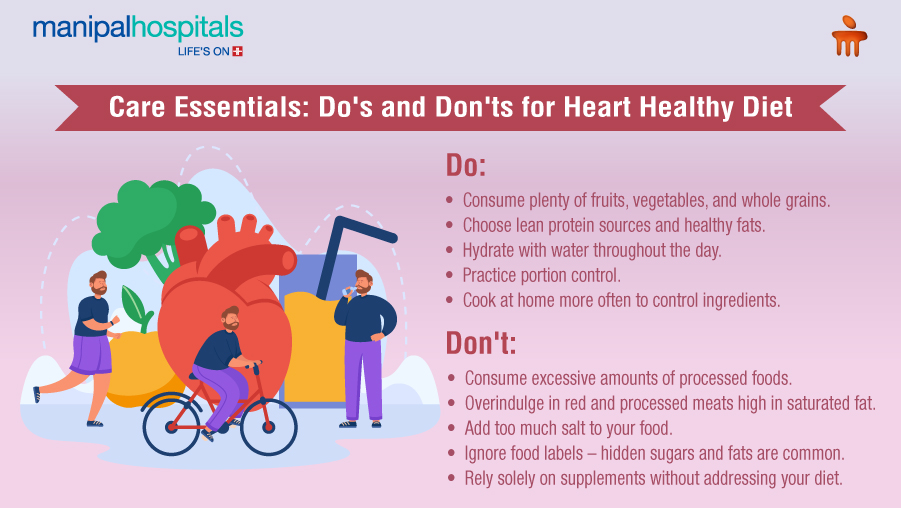
Conclusion
If you are experiencing symptoms related to heart health, or wish to develop a personalized cardiac heart healthy diet plan, it's crucial to seek timely medical advice. Book an appointment with our best cardiologists in Delhi today.
FAQ's
While individual results vary, many people experience positive changes in energy levels, blood pressure, and cholesterol readings within a few weeks to a few months of consistently adopting a heart healthy diet plan. Significant long-term benefits accrue over years.
Absolutely! A heart healthy diet is about balance and moderation, not deprivation. Occasional treats in small portions are fine. The goal is to make healthy eating your primary habit, not a temporary restriction.
For most healthy individuals, a well-balanced heart healthy diet provides all necessary nutrients. Supplements are generally not needed unless advised by a doctor for specific deficiencies or conditions. Always consult your physician before starting any supplement regime.
Plant-based diets can be extremely heart healthy, often lower in saturated fat and cholesterol, and higher in fiber. However, processed vegetarian/vegan foods high in sodium, sugar, and unhealthy fats can still be detrimental. Focus on whole, unprocessed plant foods to truly eat a heart healthy diet.
Focus on seasonal fruits and vegetables, legumes, whole grains, and lean proteins like chicken and certain fish. Buying in bulk, cooking at home, and minimizing processed foods can significantly reduce costs while improving your heart healthy diet.
Share this article on: