5 Min Read
Receiving a diagnosis of cancer is one of the most difficult moments a woman can face. The shock, the fear, and the uncertainty can feel overwhelming—not just for the patient, but for the entire family. And when the diagnosis is a gynaecological cancer, the emotional weight can be even heavier.
That’s why choosing the right care team is critical. Our oncologists in Delhi are guiding women through these complex journeys, with world-class expertise and compassionate support, every step of the way.
However, in recent years, a quiet revolution has begun to transform how we combat these illnesses. Robotic surgery, once considered futuristic, is now offering real, meaningful benefits to women diagnosed with gynaec cancer.
Let’s explore what that means—and why it might be the right option for you or someone you love.
Synopsis
Gynaecological Cancers: What Every Woman Should Know
Gynaecological cancer refers to any cancer that begins in the female reproductive system. This includes:
-
Cervical Cancer
-
Ovarian cancer
-
Vaginal cancer
-
Vulvar cancer
Among these, cervical and uterine cancers are considered the most common cancers in women in many countries. But it’s not just about statistics. These diseases are deeply personal, as they often appear with subtle signs—signs that many women may struggle to interpret or may ignore until the symptoms get worse.
Recognising the early symptoms of cancer in women could save lives.
Female Cancer Symptoms: What to Notice
Cancers of the reproductive organs don’t always scream for attention. More often, they whisper. That’s why it’s so important to pay attention to your body, and to follow up on anything that doesn’t feel normal.
Some of the more common signs of cancer in women include:
-
Unusual vaginal bleeding or discharge (particularly after menopause or between periods)
-
Chronic pelvic pain or pressure
-
Frequent bloating
-
Painful intercourse
-
Decreased appetite or early satiety
-
Sudden weight loss, without trying
-
Fatigue that you can’t explain
-
Changes in urination or bowel habits
If one or more of these gynaecological cancer symptoms persist for more than a few weeks, don’t wait. Listen to your body. Early detection truly makes all the difference.
If you're unsure who to consult, we have some of the best oncologists in Delhi who specialise in women’s cancers and can guide you with compassion and clarity.
A New Kind of Cancer Surgery: Why Robotic Surgery is Changing Everything
Cancer surgery has come a long way. Not too long ago, treating a gynaec cancer meant large, open incisions, long recovery times, and a higher risk of infection. While life-saving, these surgeries often took a major physical and emotional toll.
Now, with the arrival of robotic-assisted surgery, we’re seeing entirely new possibilities for how cancer is treated—and how quickly women can return to their lives.
So, what is robotic surgery, exactly?
Despite the name, robotic surgery is not performed by a machine alone. A surgeon—highly trained and experienced—is in complete control, operating from a console near the patient. The robotic instruments mimic hand movements with incredible precision, allowing for extremely accurate incisions and fine control, especially within deep or tight spaces of the pelvis.
This matters deeply in procedures involving the uterus, ovaries, or cervix—areas where precision is not just helpful, but essential. It's not just about sleek machines or state-of-the-art tools—it’s about bringing safer, more precise, and less invasive treatment to some of the most common types of cancer in females
The Benefits of Robotic Surgery for Women
Robotic surgery for types of cancer in women offers a long list of benefits that go beyond just smaller cuts.
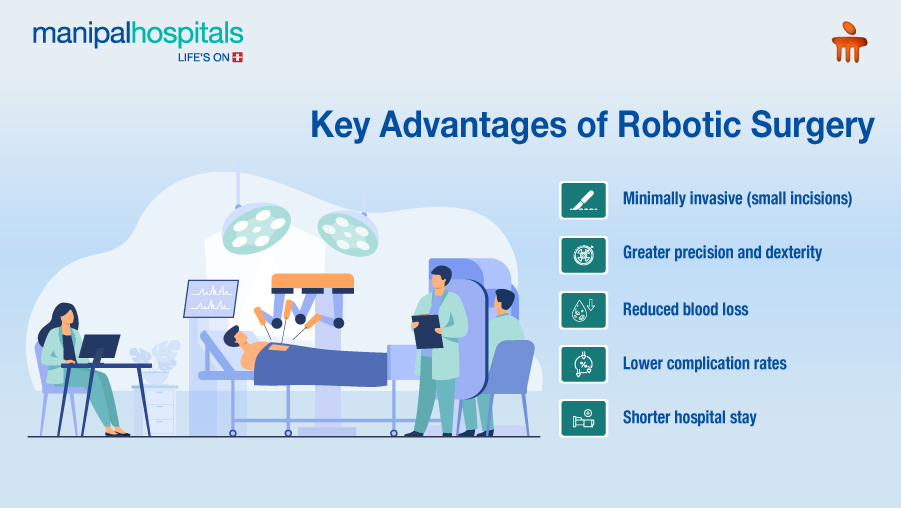
Here’s what women experience more often with robotic surgery:
-
Less blood loss during surgery
-
Smaller incisions, meaning less pain and quicker healing
-
Fewer complications and lower risk of infections
-
Shorter hospital stays—many go home the next day
-
Faster return to work and daily activities
-
Minimal scarring—a sensitive concern for many patients
-
High success rates, especially when cancer is caught early
More importantly, the combination of precise tumour removal and minimal disruption to surrounding tissues means better surgical outcomes and improved quality of life post-treatment.
We provide this cutting-edge option alongside holistic cancer support. If you're looking for a trusted place to begin or continue your treatment journey, our oncologists in Delhi are ready to hear from you.
How to Prevent Cancer in Women: Practical Steps
While not all gynaecological cancers can be prevented, many can be caught early—or even avoided altogether—with smart, proactive care.
A few essential preventive measures:
-
Regular check-ups: Pap smears and HPV tests are crucial for detecting cervical cancer
-
HPV Vaccination: Protects against the virus that causes most cervical cancers
-
Maintaining a healthy weight and lifestyle: Obesity increases the risk for uterine and ovarian cancers
-
Quitting smoking: A silent risk factor for many cancers
-
Acting on symptoms: Don’t normalise ongoing bloating, discomfort, or strange bleeding
Conclusion
Understanding how to prevent cancer in women starts by encouraging open conversations about health, removing stigma, and prioritising regular care over waiting for something to feel “serious.”
And when expert guidance is needed, trust only the best. We have a team of highly experienced and compassionate oncologists who are dedicated to women’s cancer care—offering advanced diagnostics, proven treatments, and personalised support every step of the way.
FAQ's
In many cases, yes. Robotic surgery offers quicker recovery times, fewer complications, and less physical trauma—especially helpful for younger women or those with existing health concerns.
Not all. It depends on the type, stage, and spread of the cancer. It’s highly effective in early cervical and endometrial cancer. Our specialists will guide you to the best option.
No. You're fully anaesthetised during the procedure, and the robotic arms are just tools—our surgeons are always in control.
Most patients are back on their feet within a week, and some return to normal work within two. Compared to traditional surgery, it’s a much quicker process.
You can consult our oncologists in Delhi with top robotic surgery facilities and a compassionate care team.
Share this article on: