8 Min Read
Pregnancy brings about a substantial shift in how you approach your daily routines, particularly your diet. While you are likely focused on maximising your intake of vitamins, iron, and essential nutrients, identifying which items to remove from your plate is equally critical. Navigating dietary advice during these nine months can sometimes feel overwhelming due to conflicting information from family, friends, and internet forums.
When looking into foods that can cause miscarriage, it is important to separate traditional folklore from verified medical facts. In scientific terms, foods themselves rarely trigger a pregnancy loss directly. By understanding what makes certain dietary choices hazardous, you can protect your pregnancy while maintaining a balanced, stress-free diet.
In this blog, specialists from the best obstetrics and gynaecology hospital in Yelahanka debunk common pregnancy-related dietary myths, highlight foods that may pose potential risks during pregnancy, and provide expert guidance to help you make safe and informed nutritional choices for a healthy pregnancy.
Synopsis
The Biological Mechanisms Behind Food-Related Risks
To understand what food makes miscarriage or severe pregnancy complications more likely, we have to look at how a woman's body adapts during pregnancy. Your immune system naturally downregulates during gestation. This temporary suppression prevents your body from treating the developing fetus as a foreign threat, but it also leaves you far more vulnerable to infections that your body would normally fight off with ease.
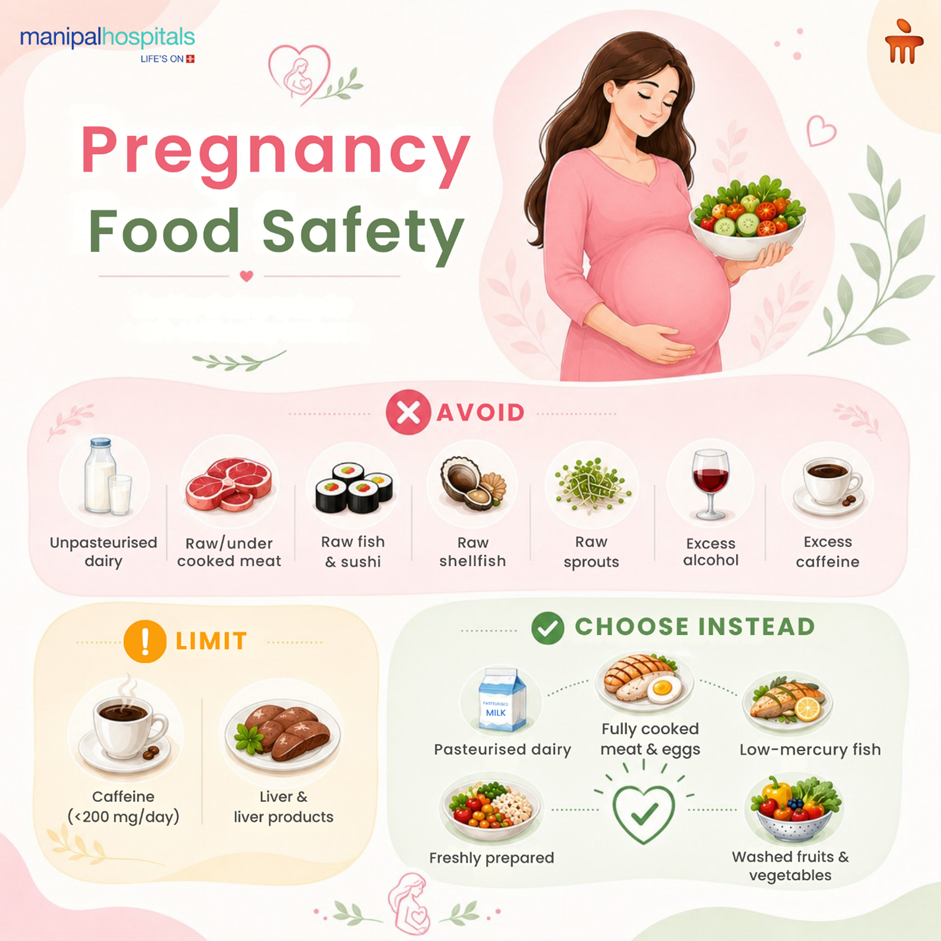
Three primary biological hazards drive the guidelines surrounding pregnancy, miscarriage, and food:
-
Bacterial Pathogens (Listeria monocytogenes): Unlike most bacteria, Listeria can multiply even inside a cold refrigerator. While it may only cause mild, flu-like symptoms in an adult, it can readily cross the placental barrier. This infection can cause severe fetal complications, premature labour, or miscarriage.
-
Parasitic Threats (Toxoplasma gondii): This parasite can be present in undercooked meats or on the surfaces of unwashed fruits and vegetables grown in contaminated soil. An active infection during the early stages of pregnancy can cause structural development issues or pregnancy loss.
-
Heavy Metals and Toxins: Industrial pollutants like methylmercury accumulate in the muscle tissue of certain long-lived, predatory fish. High exposure to these heavy metals damages a developing foetal nervous system and can destabilise a pregnancy.
High-Risk Food Groups to Exclude or Modify
Protecting your health requires a clear understanding of which food categories present the highest risk of contamination or contain compounds traditionally feared as foods that cause abortion or early-stage complications. If you have concerns about your diet or pregnancy-related risks, consulting an experienced gynaecology department can help you receive personalised nutritional guidance and evidence-based care for a healthy pregnancy.
1. Unpasteurized Dairy and Soft Cheeses
Raw, unpasteurized milk and cheeses made from it carry a high risk of harbouring Listeria. You should entirely avoid cheeses like soft brie, camembert, feta, and blue-veined varieties unless the product label explicitly states that it is made from 100% pasteurised milk. Pasteurised dairy products are completely safe because the heating process eliminates these harmful bacteria.
2. Raw or Undercooked Animal Proteins
Sushi, sashimi, raw oysters, and rare steaks should be taken off your menu. Undercooked meats can harbour Salmonella, E. coli, and Toxoplasma. Meat must be cooked to safe internal temperatures to kill these organisms. Additionally, cold deli meats, sliced ham, and pre-packaged cold poultry salads can pick up Listeria during processing after cooking. If you wish to eat deli meats, you must heat them until they are steaming hot before serving.
3. High-Mercury Fish
Fish is an excellent source of omega-3 fatty acids, which are beneficial for foetal brain development. However, you must avoid long-lived predatory fish that accumulate high levels of mercury. This group includes shark, swordfish, king mackerel, marlin, and tilefish. Instead, opt for safer, low-mercury alternatives like salmon, pomfret, and shrimp, limiting your consumption to two servings per week.
4. Raw Sprouts and Unwashed Produce
Raw sprouts including alfalfa, clover, radish, and mung bean sprouts are grown in warm, humid conditions that are also ideal for bacterial growth. Because bacteria can become embedded inside the seeds, washing them is not enough; all sprouts must be thoroughly cooked before consumption. Similarly, raw fruits and vegetables must be washed under running water to clear away any soil residue containing parasites.
5. Organ Meat in Excess
Liver and liver products contain very high levels of preformed vitamin A. In excess, vitamin A is teratogenic and has been linked to miscarriage and birth defects. A small serving occasionally is usually fine, but avoid daily consumption or supplements containing high-dose vitamin A.
6. Excessive Caffeine
High caffeine intake has been associated with an increased risk of miscarriage in some studies, particularly when consumption exceeds 200 mg per day (about two small cups of coffee). The exact mechanism is unclear, but caffeine crosses the placenta, and the foetus cannot metabolise it efficiently. Limiting caffeine is prudent.
7. Alcohol
Alcohol is a known teratogen and can cause foetal alcohol spectrum disorders. Heavy drinking is linked to miscarriage and stillbirth. There is no proven safe level during pregnancy, so complete avoidance is recommended.
Understanding Dietary Restrictions and Risks
The following table provides a direct look at the specific mechanisms behind common high-risk foods and outlines safe, practical alternatives you can use instead:
|
Food Category |
Primary Risk Mechanism |
Associated Complication |
Safe Alternative Strategy |
|
Raw / Soft-Boiled Eggs |
Salmonella contamination |
Severe maternal illness, dehydration, and uterine cramping |
Cook eggs until both the yolk and white are completely firm; use pasteurised egg products. |
|
Unpasteurized Juices / Ciders |
E. coli and Listeria from dropped fruit |
Systemic foodborne infection, foetal distress |
Drink only commercially packaged juices that display a "Pasteurised" label. |
|
Raw Shellfish & Sushi |
Norovirus, Vibrio, and parasites |
Acute gastrointestinal toxicity, maternal dehydration |
Enjoy fully cooked fish dishes, baked rolls, or vegetarian sushi options. |
|
Excessive Caffeine |
Vasoconstriction, placental restriction |
Low birth weight, increased early-stage miscarriage risk |
Limit total daily intake to less than 200 mg (about one standard 8-ounce cup of coffee). |
|
Unrefrigerated Leftovers |
Rapid bacterial multiplication over time |
Food poisoning, gastrointestinal distress |
Consume leftovers within 24 hours and ensure they are reheated to a high temperature. |
Food Safety Management in the Kitchen
Preventing exposure to pathogens is often a matter of how food is handled, prepared, and stored at home. Adhering to structured food handling steps can mitigate risks associated with foods that cause miscarriage.
1. Sanitise Hands, Utensils, and Prep Surfaces: Before and after handling food.
Wash your hands thoroughly with soap and warm water for at least 20 seconds. After preparing raw meats, clean cutting boards, knives, and countertops to prevent cross-contamination of items that will be eaten raw.
2. Separate Raw Proteins from Ready-to-Eat Foods: In the refrigerator.
Store raw meat, poultry, and seafood on the bottom shelves of your refrigerator so their juices cannot drip onto fresh produce, cheeses, or cooked meals. Use separate cutting boards for meats and vegetables.
3. Cook Every Animal Protein to Safe Temperatures: Verify with a food thermometer.
Ensure poultry reaches an internal temperature of 74°C, ground meats reach 71°C, and whole cuts of meat reach at least 63°C with a brief rest period. Cooked fish should flake easily with a fork.
4. Chill Perishables Safely and Discard Old Food: Within two hours of cooking.
Refrigerate cooked meals and cut fruits promptly. Do not leave perishable items sitting at room temperature for more than two hours, as such behavior allows bacteria to multiply rapidly.
Conclusion
Navigating dietary guidelines during pregnancy does not mean you have to fear what is on your plate. By recognising that the risk lies primarily in bacterial contamination and chemical exposure rather than the food items themselves, you can make informed, practical choices in the kitchen. Focusing on thorough cooking, proper kitchen hygiene, and avoiding known high-risk categories like unpasteurized dairy and raw proteins allows you to support your body's needs and ensure a safe environment for your developing baby.
If you are looking for comprehensive pregnancy care in Yelahanka, Bangalore, consult the experienced obstetrics and gynaecology experts at Manipal Hospital Yelahanka, Bangalore, to ensure the best possible care for both you and your baby at every stage of pregnancy.
FAQ's
Moderate amounts of ripe papaya and pineapple are perfectly safe. The conventional concern about these fruits is unripe or semi-ripe papaya, which has high concentrations of latex. This latex can mimic oxytocin and cause the uterus to contract. Use fully ripe papaya (yellow skin) and consume fresh pineapple in normal dietary amounts.
Commercial potato salads, coleslaw, and open buffet salad bar greens are more likely to contain Listeria. These products are refrigerated for long periods and are not heated prior to eating. This means that any bacteria that are introduced during slicing or handling can multiply over time. Salad is safer when made at home.
Doctors recommend you limit your caffeine intake to less than 200 milligrams a day. This is the equivalent of about one 8-ounce cup of brewed coffee or two cups of regular tea. Note also that chocolate, green tea, some soft drinks, and some over-the-counter headache medications contain caffeine.
The most common food poisonings are miserable, but usually they only cause temporary gastrointestinal upset and do not affect the fetus. However, specific systemic infections caused by Listeria or Toxoplasma can cross the placenta and cause severe complications. Contact your doctor right away if you have a high fever, severe vomiting, or dehydration after eating.
There is no scientific evidence that consuming spicy foods or commonly eaten fruits directly causes a miscarriage in a healthy pregnancy. Most concerns surrounding foods that can cause miscarriage are linked to bacterial contamination, toxins, or harmful substances rather than the foods themselves. Maintaining proper food hygiene and following your doctor's dietary recommendations are far more important than avoiding specific fruits or spices.
Share this article on: