5 Min Read
Cervical cancer is a significant health concern among women, and in India, the percentage of women affected by this disease is significantly higher than the rest of the world. However, the most effective step against cervical cancer is the Human Papillomavirus (HPV) vaccination. While often associated primarily with cervical cancer, the HPV vaccine for women offers a much broader shield, protecting against several types of cancers and genital warts. Understanding its importance is a crucial step towards a healthier future.
Synopsis
Understanding HPV and Its Impact on Women's Health
Human Papillomavirus (HPV) is a common viral infection which is primarily transmitted through unprotected sexual activity. While many HPV infections are harmless and resolve on their own, persistent infections with high-risk HPV types can lead to serious health issues, particularly for women.
HPV is the primary cause of cervical cancer, which is a leading cause of cancer deaths among women globally. Beyond cervical cancer, certain HPV strains are also responsible for vaginal, vulvar, anal, oropharyngeal (throat) cancers, and genital warts. HPV can also cause penile cancer in men. The HPV vaccine, classified as cervical cancer prevention vaccine, offers a powerful defence against these diseases.
HPV Vaccine for Women
The HPV vaccine for women has been a powerful tool towards prevention of cervical cancer and other associated cancers. Its introduction has revolutionized preventive care for women, with HPV vaccination benefits extending far beyond simple protection. It serves as primary cancer prevention, targeting HPV strains responsible for over 90% of cervical cancers and protecting against other HPV-related cancers. It also reduces the risk of genital warts and contributes to herd immunity, offering long-lasting protection.
Recommended HPV Vaccine Age Limit and Schedule
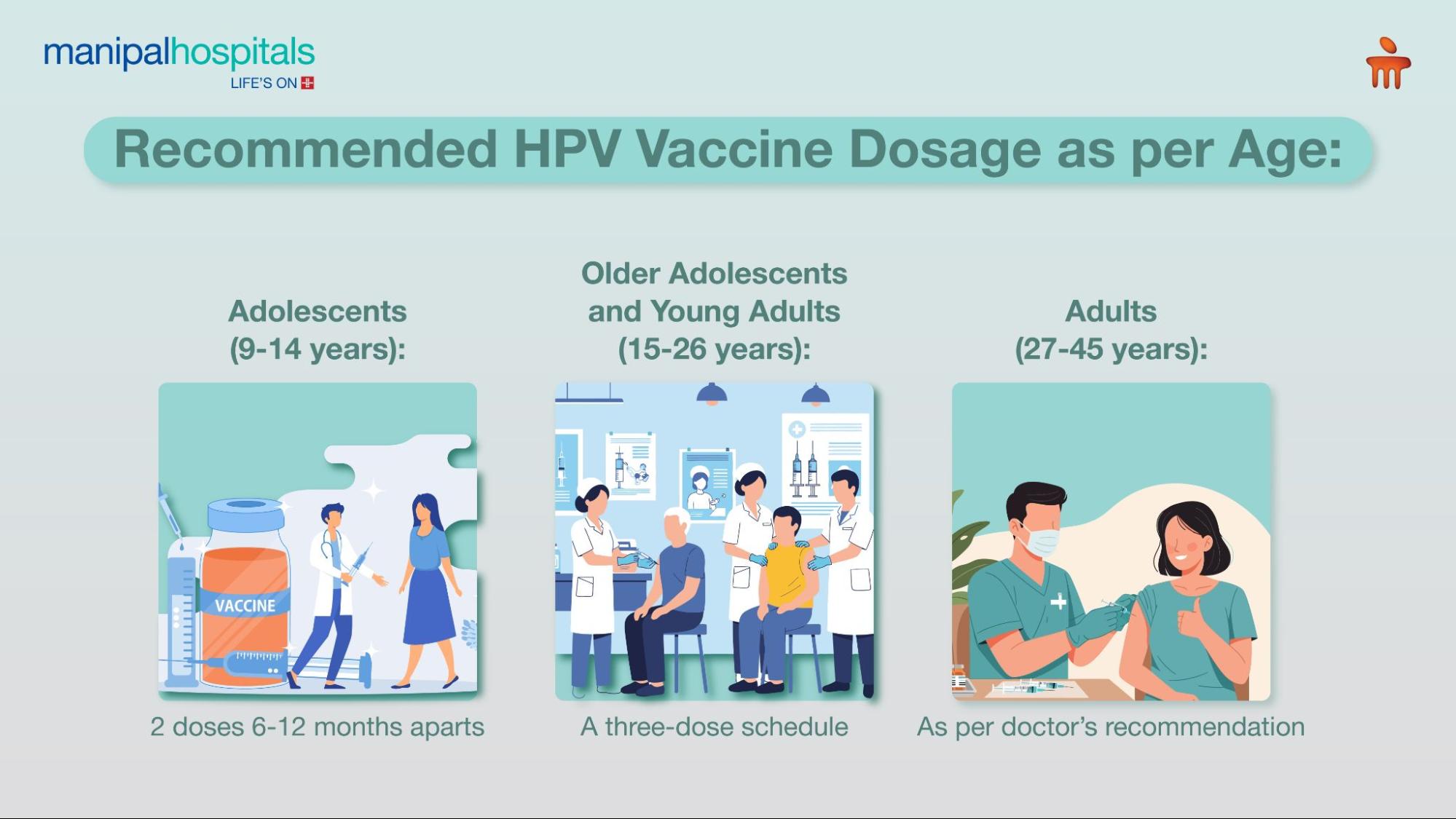
The target age group for the HPV vaccine is usually adolescents, but it can be taken up to 45 years of age as per doctor’s advice. Dosage of HPV vaccine as per age usually goes as:
-
Adolescents (9-14 years): A two-dose schedule is typically recommended, given 6-12 months apart.
-
Older Adolescents and Young Adults (15-26 years): A three-dose schedule is recommended for those not vaccinated or not completing the series.
-
Adults (27-45 years): Some adults up to age 45 may benefit from the HPV vaccine after consulting with their doctor, after assessing individual risk factors.
Conclusion
At Manipal Hospitals Rangapani, we are committed to empowering women with the knowledge and tools to help them choose the best for their health. Even if previously exposed to some HPV types, the vaccine can still protect against others not yet encountered. If you are considering HPV vaccination for yourself or a loved one, or have further questions about women's health, it is crucial to seek timely medical advice. Book an appointment with our expert gynaecologists and oncologists at Manipal Hospitals Rangapani today!
FAQ's
Yes, while typically recommended for adolescents, women up to age 45 may be eligible for the HPV vaccine after consulting with their healthcare provider. The decision is individualized based on risk factors and potential benefits.
Yes, it can still provide significant protection. Even if you've been exposed to some HPV types, the vaccine can protect you from other types not yet acquired.
The current HPV vaccines protect against the HPV types that cause most cervical cancers (e.g., HPV 16 and 18) and genital warts (e.g., HPV 6 and 11). While it doesn't cover every single HPV strain, it targets the most dangerous ones, preventing over 90% of HPV-related cancers.
Currently, booster shots for the HPV vaccine are not recommended. Studies show long-lasting protection from the initial recommended series of doses.
The vaccine's safety and effectiveness have been rigorously tested and affirmed by extensive research and real-world data. It undergoes years of clinical trials and post-market surveillance. Millions of doses administered worldwide show an excellent safety profile, affirmed by major health organizations like WHO. Extensive studies consistently show no link between the HPV vaccine and serious chronic conditions or fertility issues.
Share this article on: