5 Min Read
A cancer diagnosis presents significant challenges. Palliative care for cancer patients is a vital yet often misunderstood aspect of comprehensive cancer care. It is a specialised form of medical care which focuses on providing relief from symptoms and stress, aiming to improve the quality of life for cancer patients and their families. It must be noted that palliative care is not solely for end-of-life situations; it can and should be integrated early in the cancer journey, alongside curative treatments. This blog gets in-depth about palliative care, highlighting its importance in cancer treatment.
Synopsis
Understanding Palliative Care in Cancer
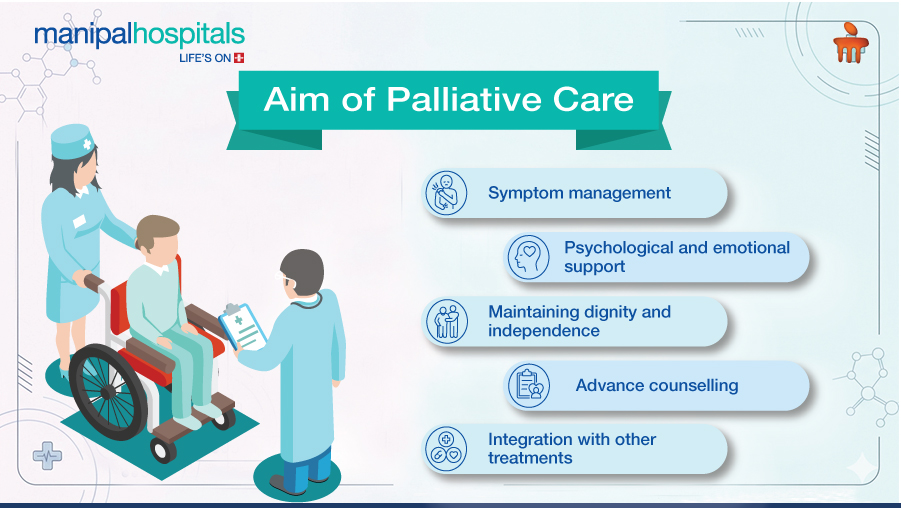
Palliative care may be defined as a form of specialised interdisciplinary care which helps address the physical, mental and spiritual well-being of patients suffering from chronic or serious illnesses, such as cancer. Unlike curative care, which aims at curing the illness, palliative care offers an extra layer of supportive care that aims at pain management and all-over well-being. It is important to note that palliative care is not just limited to end-of-life care, as early integration has been shown to significantly reduce symptom burden, enhancing treatment tolerance and overall well-being. This proactive approach ensures patients receive an extra layer of support from the time of diagnosis.
The Role of Palliative Care in Pain Management
Effective cancer pain management is a cornerstone of palliative care for cancer. Pain is a debilitating symptom among cancer patients, and palliative care offers a personalised, multi-faceted approach. This includes expertly managed pharmacological interventions, alongside non-pharmacological therapies like physiotherapy and mindfulness, and sometimes interventional procedures. These strategies ensure patients achieve significant relief from chronic pain, enabling them to engage more fully in their life and treatment.
Palliative Care v/s Hospice Care
When it comes to palliative care v/s hospice care, it must be noted that hospice care is a form of palliative care. Palliative care for cancer in itself can be incorporated at any stage of the illness, whereas hospice care is precisely end-of-life care which is provided when curative care is no longer pursued or applicable. Palliative care for cancer and hospice care both aim to relieve pain and manage other symptoms. However, while palliative care may be provided by experts alongside primary care doctors, hospice care has a more dedicated team of doctors, nurses and volunteers.
Improving Quality of Life: A Holistic Approach
Beyond physical symptoms, cancer profoundly impacts emotional, social, and spiritual well-being. Palliative care adopts a holistic approach to enhance the quality of life for cancer patients. This encompasses comprehensive emotional and psychological support, nutritional guidance to maintain strength, and strategies for fatigue management. It also provides spiritual and existential support, helping patients find meaning and hope in their treatment journey.
Conclusion
Palliative care extends vital support to families, offering resources and guidance, which collectively improves overall patient and family satisfaction. If you, or a loved one, are navigating a cancer diagnosis, remember that comprehensive support is available. At Manipal Hospitals Rangapani, our compassionate palliative care team is dedicated to providing expert pain management and holistic care, helping you maintain the best possible quality of life for cancer patients.
FAQ's
Palliative care can be provided at any stage of a serious illness, alongside curative treatments. Hospice care is a type of palliative care specifically for patients with a life expectancy of six months or less, focusing entirely on comfort care once curative treatments have stopped. This distinction is crucial in understanding the difference between palliative care v/s hospice care.
Palliative care is delivered by an interdisciplinary team, including palliative care physicians, nurses, social workers, nutritionists, and other specialists, who work together to address a patient's holistic needs.
Ideally, palliative care for cancer should begin as soon as it is diagnosed. Early integration has been shown to improve outcomes, symptom control, and quality of life.
Most health insurance plans, including private insurance and government programs, cover palliative care services. It is best to check with your specific provider for details.
Other than pain, palliative care teams help manage a wide range of symptoms, including nausea, fatigue, shortness of breath, anxiety, depression, constipation, and loss of appetite, among others.
Share this article on: