7 Min Read
The human heart works continuously to keep the body alive and functioning. Protecting this vital organ is a thin, fluid-filled sac called the pericardium. This protective covering cushions the heart, reduces friction during heartbeats, and prevents over-expansion. However, when this sac becomes inflamed, it leads to a condition known as pericarditis.
Many people experiencing pericarditis symptoms often confuse the condition with a heart attack because the most common sign is sudden chest pain. While the condition can feel frightening, early diagnosis and proper medical care can lead to complete recovery in most cases. At Bhagwan Mahavir Manipal Hospital, experienced cardiologists provide advanced care, accurate diagnosis, and personalised treatment plans for patients suffering from pericarditis and other heart-related conditions. This blog is an informational guide for you to understand this medical condition, how it's different from a heart attack, how it's diagnosed, and aspects related to its treatment and life post-treatment.
Synopsis
What is Pericarditis?
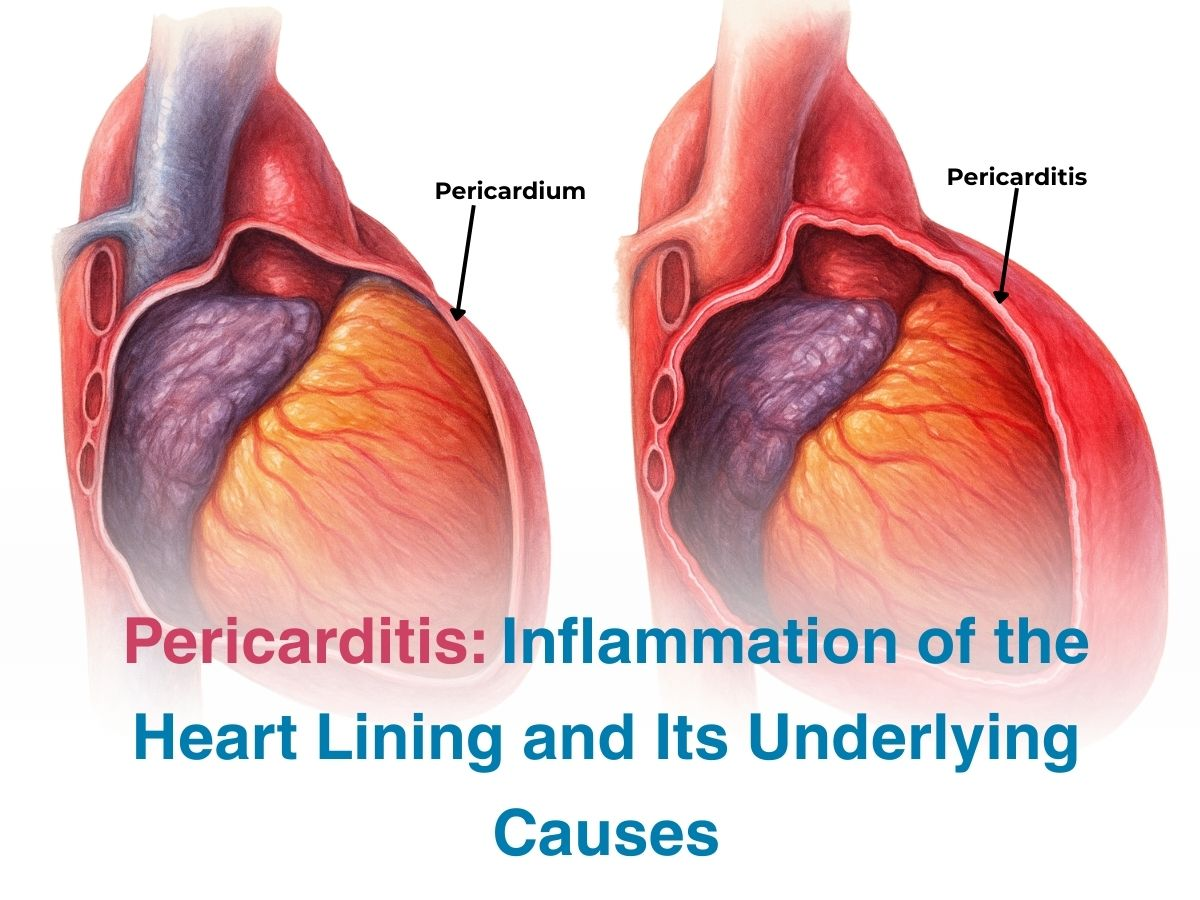
Pericarditis, as mentioned above, is the inflammation of the pericardium, the two-layered sac surrounding the heart. Normally, a small amount of lubricating fluid between these layers allows the heart to move smoothly. When inflammation develops, the layers rub against one another, causing irritation, discomfort, and pain.
In some patients, fluid may build up around the heart, a condition called pericardial effusion. If this fluid increases significantly, it may compress the heart and affect its ability to pump blood effectively. This serious complication is known as cardiac tamponade and requires immediate medical attention. Pericarditis can affect individuals of all ages, but it is more commonly seen in adults between 20 and 50 years old.
Types of Pericarditis
Its classification is based on the duration and recurrence of symptoms.
1. Acute Pericarditis
This is the most common type. Symptoms appear suddenly and usually improve within a few days or weeks.
2. Recurrent Pericarditis
Some patients may experience repeated episodes after recovering from the first attack. Symptoms may return after several weeks or months.
3. Incessant Pericarditis
This occurs when symptoms continue for more than four weeks without complete recovery.
4. Chronic Pericarditis
When inflammation lasts longer than three months, the condition is known as chronic pericarditis. In rare situations, it may lead to thickening or stiffening of the pericardium.
Pericarditis Symptoms You Should Not Ignore
The hallmark symptom is chest pain and pericarditis. Unlike heart attack pain, pericarditis pain often changes with body position and breathing.
Common pericarditis symptoms in adults include:
-
Sharp or stabbing chest pain
-
Pain spreading to the shoulders, neck, or upper back
-
Chest pain worsening while lying flat or taking deep breaths
-
Relief while sitting up or leaning forward
-
Shortness of breath
-
Fever and chills
-
Fatigue and weakness
-
Heart palpitations
-
Persistent dry cough
-
Swelling in the legs or abdomen in severe cases
A patient treated at Bhagwan Mahavir Manipal Hospital described the pain as a sudden, sharp discomfort that worsened at night while lying down. After a timely evaluation and advanced cardiac testing, the patient was diagnosed with acute pericarditis and recovered successfully with medication and rest.
What Causes Pericarditis?
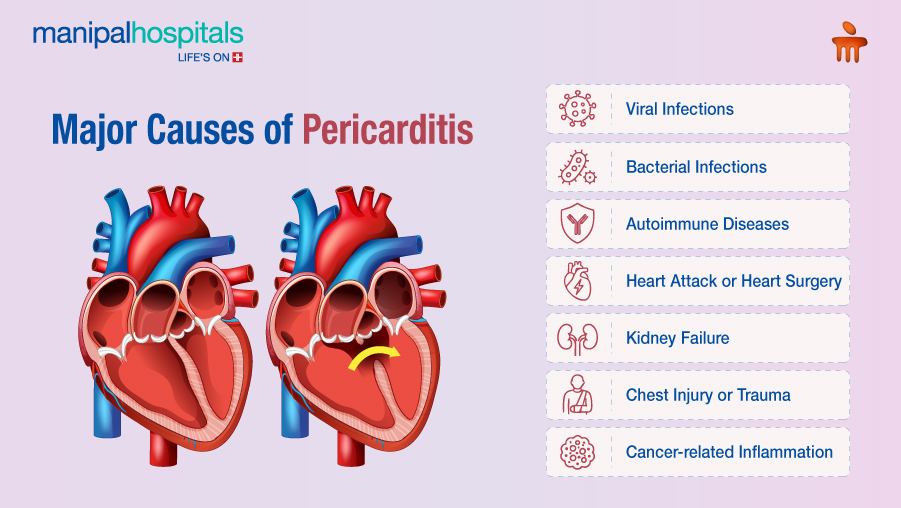
There are several possible causes of pericarditis, and in some cases, the exact reason remains unknown. Common causes include:
-
Viral Infections:
Viral infections are the leading cause of pericarditis. Many patients develop symptoms after flu, cold, or respiratory infections.
-
Bacterial Infections
Although less common, bacterial infections can cause severe inflammation requiring urgent treatment.
-
Autoimmune Disorders
Conditions such as lupus, rheumatoid arthritis, and scleroderma may trigger inflammation around the heart.
-
Heart Attack or Heart Surgery
Inflammation may sometimes occur after a heart attack or cardiac surgery.
-
Kidney Failure
Advanced kidney disease can lead to toxin accumulation in the body, resulting in uremic pericarditis.
-
Chest Injury
Trauma to the chest region may irritate the pericardium.
-
Cancer
In rare cases, cancer spreading to the chest can affect the pericardium.
How is Pericarditis Diagnosed?
Early and accurate diagnosis of pericarditis is important to prevent complications. Specialists at Bhagwan Mahavir Manipal Hospital use advanced diagnostic techniques to accurately identify the condition.
-
Physical Examination: Doctors listen for a specific scratching sound known as a pericardial rub.
-
Electrocardiogram (ECG): An ECG helps detect electrical changes in the heart caused by inflammation.
-
Echocardiogram: This ultrasound scan checks for fluid around the heart and evaluates heart function.
-
Blood Tests: Blood investigations identify inflammatory markers and help determine infections or autoimmune causes.
-
Chest X-ray: This test may reveal enlargement of the heart if excess fluid has accumulated.
-
Cardiac MRI or CT Scan: Advanced imaging provides detailed pictures of the heart and surrounding tissues.
-
Pericarditis Treatment Options: The main goal of pericarditis treatment is to reduce inflammation, relieve pain, and prevent recurrence.
-
Anti-inflammatory Medicines: NSAIDs such as ibuprofen or aspirin are commonly prescribed to control pain and swelling.
-
Colchicine: This medication helps reduce inflammation and lowers the chances of recurrent pericarditis.
-
Corticosteroids: Steroids may be recommended if symptoms do not improve with standard medicines.
-
Antibiotics or Antifungal Medicines: If infection is the cause, targeted medications are prescribed.
-
Pericardiocentesis: When excess fluid accumulates around the heart, doctors may drain it using a needle and a catheter.
-
Surgery: In rare chronic cases, surgical removal of the pericardium may be necessary. With proper treatment and medical supervision, most patients recover successfully.
Lifestyle Tips During Recovery
Recovery from pericarditis requires rest, regular follow-ups, and healthy lifestyle choices.
Do’s
-
Take medicines exactly as prescribed
-
Get adequate rest
-
Attend all follow-up appointments
-
Eat a balanced, heart-healthy diet
-
Inform your doctor if symptoms worsen
Don’ts
-
Avoid strenuous physical activity
-
Do not ignore chest pain
-
Avoid smoking and alcohol
-
Never stop medicines without medical advice
-
Avoid self-medication
When Should You Seek Medical Help?
Seek immediate medical attention if you experience:
-
Sudden severe chest pain
-
Rapid heartbeat
-
Dizziness or fainting
-
Swelling in the legs or abdomen
At Bhagwan Mahavir Manipal Hospital, experienced cardiologists in ranchi and emergency care teams offer comprehensive evaluation and advanced cardiac treatment to ensure timely recovery and long-term heart health.
Pericarditis may sound alarming, especially when chest pain appears suddenly, but with prompt diagnosis and expert care, most people recover well and return to normal life. Understanding the warning signs and seeking timely treatment can help prevent serious complications and protect long-term heart health.
If you or your loved one experiences persistent chest pain or related symptoms, consult the specialists at Bhagwan Mahavir Manipal Hospital for expert cardiac care and compassionate support.
FAQ's
Most cases are mild and recover fully with treatment. However, untreated pericarditis can sometimes lead to complications like fluid accumulation around the heart.
Yes, recurrent pericarditis can occur in some individuals even after successful recovery.
Acute pericarditis usually improves within a few weeks with medication, rest, and proper care.
Stress does not directly cause pericarditis, but it may worsen symptoms and delay recovery.
Heavy exercise should be avoided until your doctor confirms complete recovery.
Yes, young adults can develop pericarditis, especially following viral infections.
Share this article on: