6 Min Read
The sensation of your heart skipping a beat, pounding rapidly, or a peculiar heart-fluttering feeling can be unsettling. These are often described as heart palpitations, and they are surprisingly common. While many people experience them occasionally without any serious underlying cause, it's natural to wonder: when are heart palpitations a sign of something more serious, and when should you seek professional medical advice?
Synopsis
Understanding Heart Palpitations
Heart palpitations are sensations that feel like your heart is beating too hard, too fast, skipping a beat, or fluttering. They can occur at any time, whether you're at rest or during activity. The experience can range from a brief, momentary flutter to a more prolonged, noticeable pounding. While often benign, they are your body's way of telling you to pay attention to your cardiovascular health.
Common Irregular Heartbeat Causes
Understanding the common irregular heartbeat causes is the first step in addressing your concerns. Many factors, both harmless and potentially serious, can trigger palpitations:
-
Lifestyle Factors: High caffeine intake (coffee and energy drinks), excessive alcohol consumption, nicotine from smoking, and stimulant medications (like decongestants or appetite suppressants) are frequent culprits. Even intense physical exercise can sometimes lead to a noticeable heart rate increase that feels like a palpitation.
-
Emotional and Stress Factors: Anxiety, stress, panic attacks, and strong emotions can trigger a surge of adrenaline, leading to your heart beating faster and harder. In fact, stress-related palpitations are one of the most common presentations we see, with over 70% of individuals experiencing them during periods of high emotional stress.
-
Hormonal Changes: Fluctuations in hormones during menstruation, pregnancy, or menopause can contribute to palpitations. Pregnant women, for instance, often report palpitations due to increased blood volume and changes in cardiac output.
-
Medications: Certain prescription drugs, including some for asthma, thyroid conditions, and even over-the-counter cold remedies, can have side effects that include heart palpitations.
-
Dehydration and Electrolyte Imbalances: Not drinking enough water or having an imbalance of minerals like potassium and magnesium can affect heart rhythm.
-
Palpitations at Night Causes: Many people notice palpitations more acutely at night when lying down in a quiet environment. This can be due to anxiety, indigestion, acid reflux, sleep apnea, or even the heightened awareness of your body's functions when distractions are minimal. About 30% of patients report a higher incidence of palpitations during nocturnal hours due to these factors.
-
Underlying Medical Conditions: While less common, palpitations can be a symptom of more serious conditions such as anaemia, an overactive thyroid (hyperthyroidism), low blood sugar, or structural heart problems like valvular disease or arrhythmias (e.g., atrial fibrillation).
When to Worry: Red Flags and When to Consult a Cardiologist
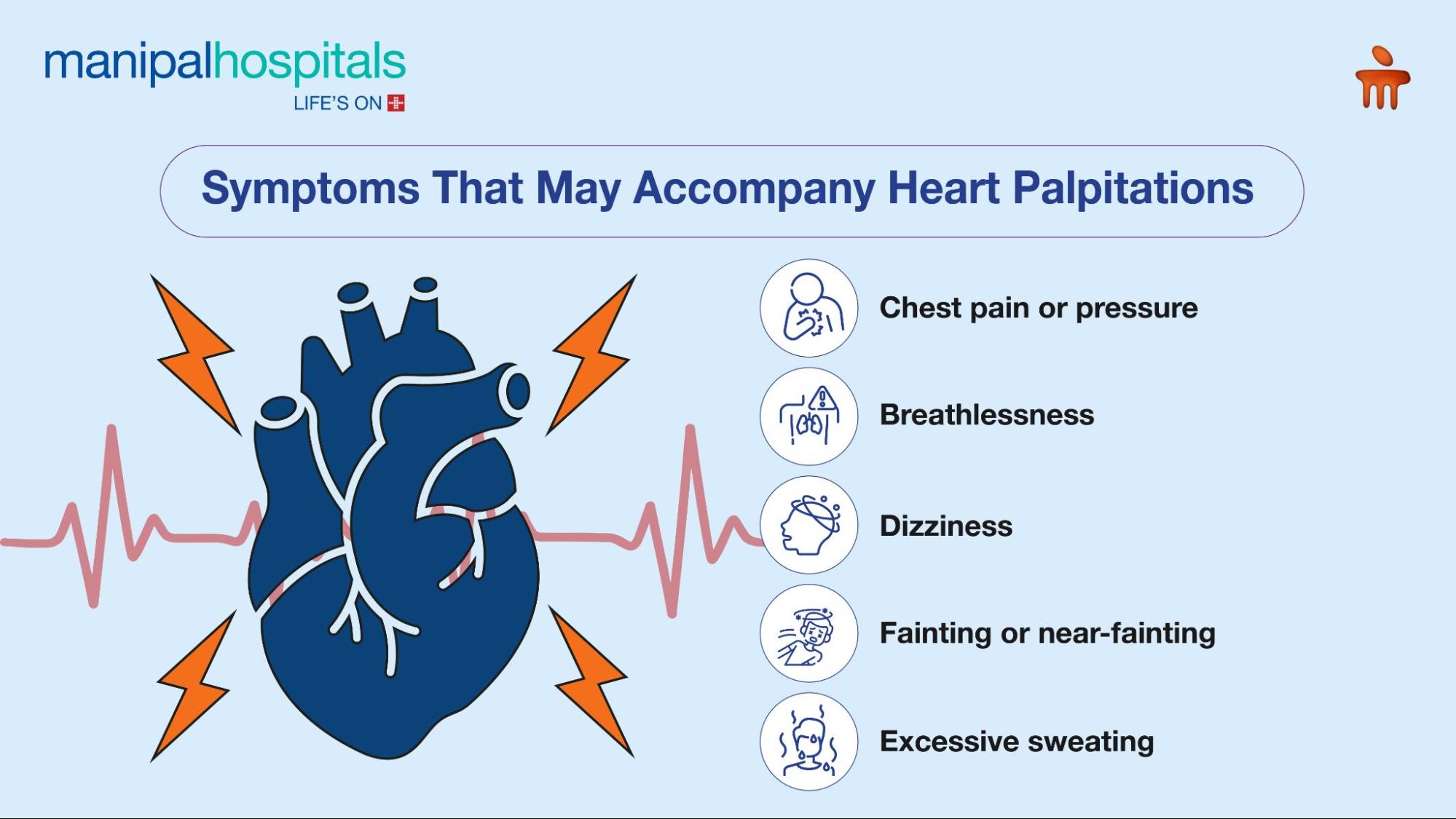
While many palpitations are harmless, certain signs warrant immediate medical attention. It's crucial to seek expert care if your heart-fluttering feeling is accompanied by any of the following symptoms:
-
Chest Pain or Discomfort: Especially if it's crushing, squeezing, or radiating to your arm, neck, or jaw.
-
Shortness of Breath: Difficulty breathing, particularly if it's sudden or severe.
-
Dizziness or Lightheadedness: Feeling faint or as if you might pass out.
-
Syncope (Fainting): Any episode of losing consciousness.
-
Severe Weakness or Fatigue: Unexplained, profound tiredness.
-
Palpitations Occurring with exercise: If they start or worsen during physical activity.
-
Family History: If you have a family history of sudden cardiac death or inherited heart conditions.
-
Persistent or Frequent Episodes: If your palpitations are happening more often, lasting longer, or are becoming increasingly bothersome.
If you experience any of these red flags, do not hesitate to contact Manipal Hospitals. Early diagnosis and appropriate treatment of palpitations can significantly improve outcomes and provide peace of mind.
Diagnosing Heart Palpitations
When you consult a cardiologist at Manipal Hospitals, they will conduct a thorough evaluation to determine the cause of your palpitations. This typically involves:
-
Medical History and Physical Exam: Discussing your symptoms, lifestyle, and family history.
-
Electrocardiogram (ECG/EKG): A quick and painless test that records the electrical activity of your heart. An ECG can detect a range of cardiac issues with an accuracy rate of over 85% in identifying significant arrhythmias.
-
Holter monitor: A portable device worn for 24 to 48 hours (or sometimes longer) to record your heart's activity during your daily routine. This is particularly useful for detecting intermittent palpitations that an in-office ECG might miss, successfully capturing data in approximately 90% of patients with irregular symptoms.
-
Event Monitor: Similar to a Holter monitor, but worn for a longer period (weeks to months) and activated by you when you feel symptoms.
-
Echocardiogram: An ultrasound of the heart to visualise its structure and function.
-
Blood Tests: To check for conditions like anaemia, thyroid issues, or electrolyte imbalances.
Palpitations Treatment Options
The approach to palpitations treatment of palpitations depends entirely on the underlying cause. Many cases require simple lifestyle adjustments, while others may need medical intervention.
-
Lifestyle Modifications:
-
Reducing caffeine, alcohol, and nicotine intake.
-
Managing stress through techniques like yoga, meditation, or deep breathing exercises.
-
Staying well-hydrated.
-
Ensuring adequate sleep.
-
Eating a balanced diet rich in essential minerals.
-
-
These changes alone can alleviate symptoms in over 60% of individuals with benign palpitations.
-
Addressing Underlying Conditions: Treating conditions like hyperthyroidism, anaemia, or sleep apnea can resolve palpitations. For instance, successfully managing thyroid disorders leads to a significant reduction in palpitations for over 80% of affected patients.
-
Medications: If an arrhythmia is identified, your cardiologist may prescribe medications to regulate your heart rhythm or control your heart rate.
-
Procedures: In some instances, such as persistent atrial fibrillation or other significant arrhythmias, procedures like catheter ablation or pacemaker implantation might be recommended to restore normal heart rhythm. These advanced procedures have high success rates, with catheter ablation showing a success rate of 70-90% for specific types of arrhythmias.
If you are experiencing heart palpitations, especially with any associated symptoms like chest pain or dizziness, it's crucial to seek timely medical advice. Book an appointment with our expert cardiologists in Ranchi at Manipal Hospitals today for a comprehensive evaluation and personalised care.
FAQ's
Yes, anxiety and stress are very common causes of heart palpitations. They trigger a release of stress hormones that can make your heart beat faster and stronger.
No, in most cases, heart palpitations are harmless and not indicative of a serious heart condition. However, it's essential to have them checked by a doctor to rule out any underlying issues.
Try to remain calm. Sit down, take deep breaths, and avoid caffeine or stimulants. If it's your first time or if you have other symptoms, seek medical advice promptly.
Yes, dehydration can affect your electrolyte balance and blood volume, leading to an increased heart rate and palpitations.
Palpitations at night are often more noticeable due to the quiet environment and lack of distractions. They can also be linked to sleep apnea, anxiety, or indigestion, which may be more prominent when lying down.
Share this article on: