7 Min Read
Ovarian cancer, often referred to as the "silent killer," presents a unique challenge in medical diagnosis due to its vague and easily dismissed symptoms. At Manipal Hospitals, we understand the critical importance of early detection and comprehensive care. Our dedicated team, including our oncologists in Ranchi, is committed to providing world-class ovarian cancer treatment, ensuring every patient receives a personalised and empathetic approach. While the moniker "silent killer" can sound alarming, advances in medical science offer hope and effective interventions. It is crucial to understand the nuances of this disease, from its subtle indicators to the sophisticated ovarian cancer treatment options available.
Synopsis
Understanding Ovarian Cancer: The Silent Threat
Ovarian cancer originates in the ovaries, the female reproductive glands that produce eggs and hormones. Its insidious nature lies in its ability to progress significantly before causing noticeable symptoms, making early diagnosis particularly challenging.
Why is it called a Silent Killer?
The early symptoms of ovarian cancer are often subtle, non-specific, and can easily be mistaken for less serious conditions like digestive issues or menstrual discomfort. This delay in symptom recognition often leads to diagnosis at later ovarian cancer stages, when the disease has spread.
-
Bloating: Persistent and unusual abdominal bloating.
-
Pelvic or Abdominal Pain: Persistent discomfort or pain in the lower abdomen or pelvis.
-
Difficulty Eating or Feeling Full Quickly: A noticeable change in appetite or feeling satiated after only a small amount of food.
-
Urinary Symptoms: Frequent urination or an urgent need to urinate.
-
Fatigue: Persistent and unexplained tiredness.
-
Changes in Bowel Habits: Constipation or diarrhoea.
-
Back Pain: Persistent lower back pain. Recognising these symptoms, especially if they are new, persistent (occurring more than 12 times a month), and not normal for you, is key to timely medical consultation. Early detection can significantly improve treatment outcomes, with studies showing that when detected at an early, localised stage, the 5-year survival rate can be as high as 92%.
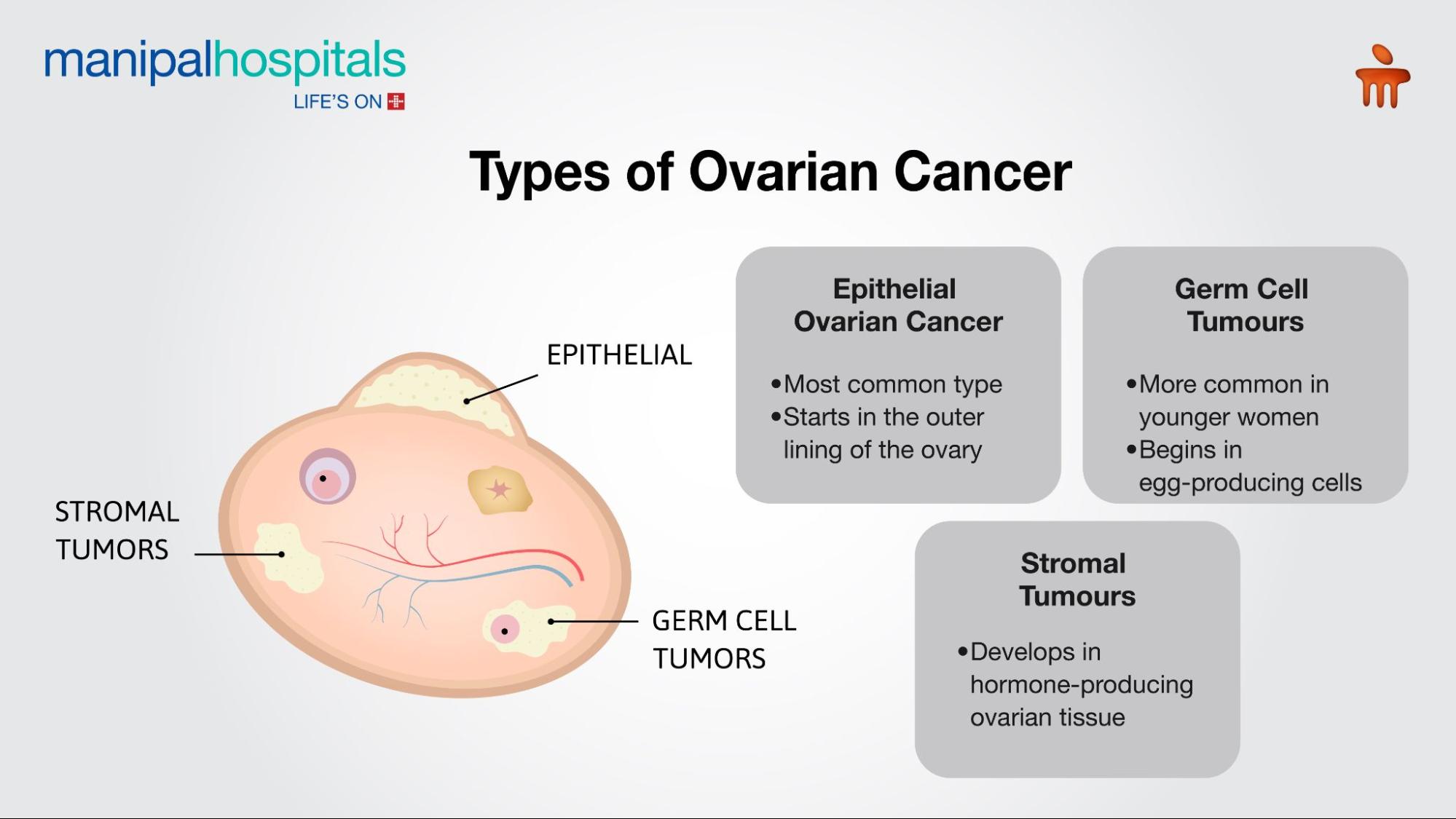
Ovarian Cyst vs. Ovarian Cancer: A Crucial Distinction
Many women experience ovarian cysts, which are fluid-filled sacs that develop on or in the ovaries. While most ovarian cyst vs ovarian cancer concerns are often benign and resolve on their own, it's vital to differentiate them from cancerous growths. Only a small percentage of ovarian cysts are malignant. Imaging tests like ultrasound and blood tests, such as CA-125, help doctors distinguish between a benign ovarian cyst and ovarian cancer. Regular check-ups with your gynaecologist are essential for monitoring any ovarian abnormalities.
Ovarian Cancer Stages: What You Need to Know
Understanding the ovarian cancer stages is crucial for determining the most effective ovarian cancer treatment plan. Staging describes how far the cancer has spread from its original site.
-
Stage I: Cancer is confined to one or both ovaries. This is the earliest stage and has the highest prognosis for successful ovarian cancer treatment. Approximately 15-20% of ovarian cancer cases are diagnosed at this stage.
-
Stage II: Cancer has spread beyond the ovaries to other organs within the pelvis, such as the uterus or fallopian tubes.
-
Stage III: Cancer has spread beyond the pelvis to the lining of the abdomen (peritoneum) or to nearby lymph nodes.
-
Stage IV: Cancer has metastasised to distant organs outside the abdominal cavity, such as the liver, lungs, or bones. This is the most advanced stage.
The overall 5-year survival rate for ovarian cancer is around 49%, but this figure dramatically improves to over 90% when detected at Stage I, highlighting the immense value of early diagnosis.
Advanced Ovarian Cancer Treatment Options at Manipal Hospitals
Manipal Hospitals offers a multidisciplinary approach to ovarian cancer treatment, combining the expertise of surgical oncologists, medical oncologists, radiation oncologists, and supportive care specialists. Our commitment to utilising cutting-edge technology and evidence-based practices ensures optimal outcomes for our patients.
A personalised ovarian cancer treatment plan is developed for each patient, considering the stage of cancer, overall health, and personal preferences. Our oncologists in Ranchi leverage advanced diagnostics to tailor the best possible care.
-
Surgery: Often the primary ovarian cancer treatment, surgery aims to remove as much of the tumour as possible (debulking). This may involve removing the ovaries, fallopian tubes, uterus, and sometimes parts of the peritoneum or lymph nodes. Modern surgical techniques, including minimally invasive approaches, are often employed to enhance recovery.
-
Chemotherapy: This involves using drugs to kill cancer cells, often administered intravenously or sometimes directly into the abdomen. It can be given before surgery (neoadjuvant chemotherapy) to shrink tumours, or after surgery (adjuvant chemotherapy) to eliminate any remaining cancer cells.
-
Targeted Therapy: These drugs specifically target unique features of cancer cells, minimising harm to healthy cells. This innovative ovarian cancer treatment has shown promising results in specific patient groups, leading to extended progression-free survival for many.
-
Immunotherapy: A newer form of ovarian cancer treatment that harnesses the body's own immune system to fight cancer cells.
-
Radiation Therapy: Less commonly used for ovarian cancer, but may be employed in specific situations to target remaining cancer cells or manage symptoms.
At Manipal Hospitals, our oncologists in Ranchi are at the forefront of implementing these advanced therapies, continually striving for improved patient outcomes. We are proud to report a high success rate in managing complex ovarian cancer cases, with a significant number of patients achieving long-term remission due to our integrated care model.
FAQ's
Factors include age (risk increases with age), family history of ovarian or breast cancer, certain genetic mutations (BRCA1 and BRCA2), endometriosis, and never having been pregnant.
There's no guaranteed way to prevent it, but certain factors can lower risk, such as oral contraceptive use, pregnancy, breastfeeding, and tubal ligation. Genetic testing for BRCA mutations can inform preventive strategies for high-risk individuals.
Currently, there is no single, reliable screening test for ovarian cancer for the general population. Transvaginal ultrasound and CA-125 blood tests are used, but they are not specific enough for widespread screening. Regular pelvic exams and being aware of symptoms are important.
The duration varies greatly depending on the stage of cancer, type of treatment, and individual response. It can range from several months to ongoing therapy for advanced cases.
Manipal Hospitals offers comprehensive support services, including patient navigators, nutritional counselling, psychological support, and access to patient support groups. Our oncologists in Ranchi ensure a holistic care experience.
Share this article on: