5 Min Read
Tonsillitis is a common condition that affects both children and adults, causing inflammation of the tonsils, which are the two lymph nodes located at the back of the throat. While it is often mild, tonsillitis can sometimes lead to discomfort, fever, and difficulty swallowing. Understanding tonsillitis symptoms in adults, causes, and treatment options is crucial for timely intervention and better recovery.
Our ENT experts in Patiala emphasise that recognising early symptoms and knowing how to treat tonsillitis in adults can prevent complications and improve overall throat health.
Synopsis
- What Is Tonsillitis?
- Causes of Tonsillitis in Adults
- Tonsillitis Symptoms in Adults
- How to Treat Tonsillitis in Adults
- Differences Between Adult and Childhood Tonsillitis
- Preventing Tonsillitis in Adults
- Complications of Untreated Tonsillitis
- When Tonsillitis Needs Closer Medical Attention
- Conclusion
What Is Tonsillitis?
Tonsillitis occurs when the tonsils become inflamed due to viral or bacterial infections. It can affect both children and adults, but the presentation often differs with age.
-
Acute tonsillitis: Lasts 3–7 days, often caused by infections like streptococcus.
-
Chronic tonsillitis: Persistent inflammation lasting weeks or recurring multiple times a year.
Early diagnosis is essential to determine whether the condition requires medication, home care, or surgical intervention.
Causes of Tonsillitis in Adults
Understanding the causes of tonsillitis in adults helps in prevention and effective management. Common causes include:
-
Viral infections: Adenovirus, influenza, and Epstein-Barr virus (EBV) are common culprits.
-
Bacterial infections: Group A Streptococcus (strep throat) is the most frequent bacterial cause.
-
Environmental factors: Smoking, air pollution, and exposure to irritants can aggravate tonsils.
-
Weakened immunity: Adults with low immunity are more susceptible to frequent infections.
Our ENT experts in Patiala note that identifying the root cause is critical before deciding on tonsillitis in adults.
Tonsillitis Symptoms in Adults
Recognising tonsillitis symptoms in adults early can help initiate timely treatment and avoid complications.
Common Symptoms
-
Sore throat: Persistent pain or irritation in the throat.
-
Difficulty swallowing: Pain or discomfort while eating or drinking.
-
Red, swollen tonsils: Sometimes with white or yellow patches.
-
Fever and fatigue: Elevated body temperature and feeling lethargic.
-
Swollen lymph nodes: Tenderness in the neck or jaw area.
|
Symptom |
Description |
|
Sore throat |
Sharp or throbbing pain, worse when swallowing |
|
Swollen tonsils |
Enlargement, often with visible pus or coating |
|
Fever |
Mild to high-grade, depending on infection type |
|
Fatigue |
General weakness due to infection |
|
Voice changes |
Hoarseness or muffled speech |
Prompt recognition of these symptoms allows patients to seek guidance from our ENT experts in Patiala, ensuring proper care.
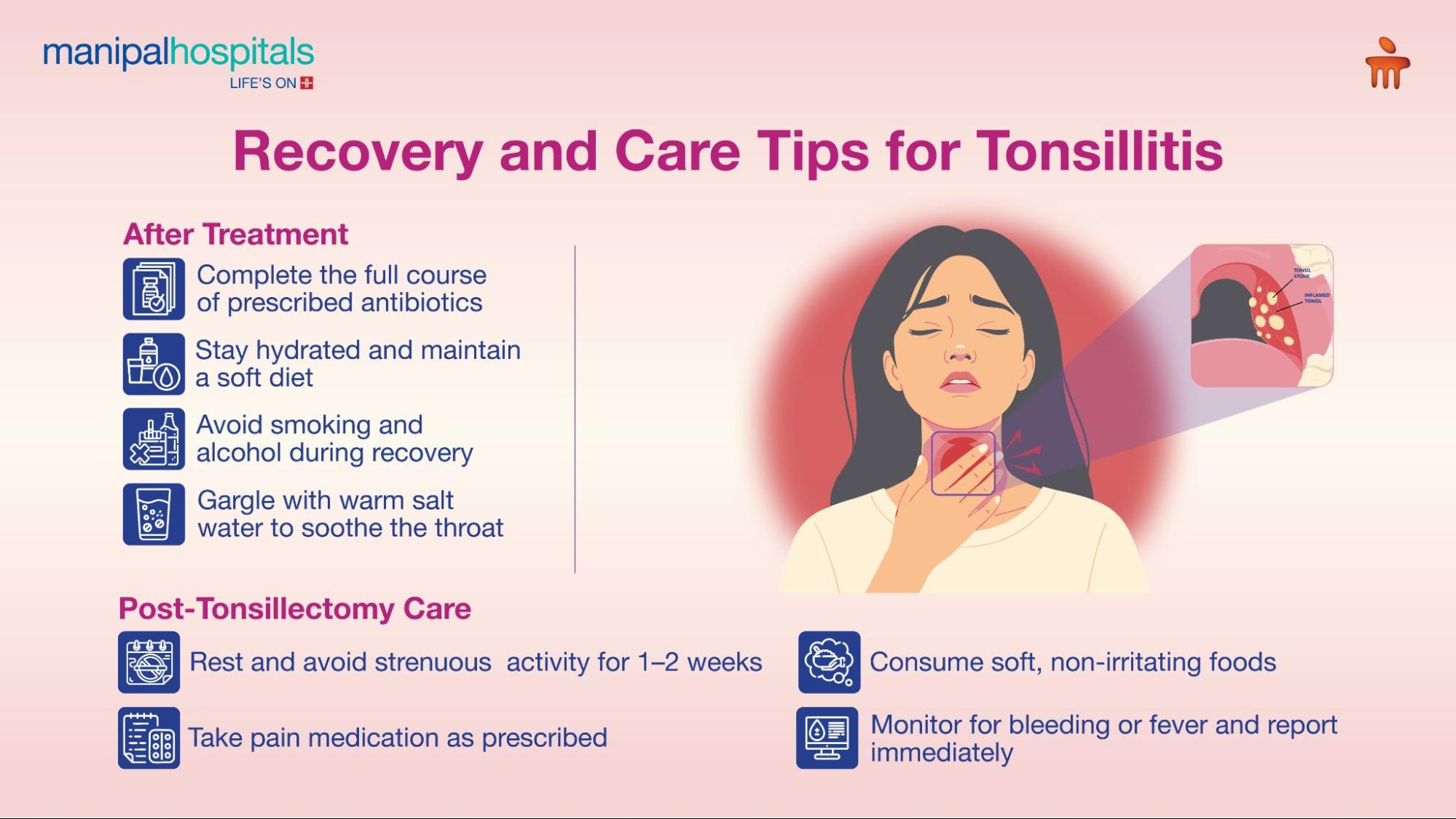
How to Treat Tonsillitis in Adults
The approach to how to treat tonsillitis in adults depends on whether it is viral or bacterial in origin.
Home Remedies for Mild Cases
-
Warm salt water gargles
-
Adequate hydration
-
Soft foods to reduce discomfort while swallowing
-
Rest and avoid irritants such as smoke
Medical Treatment
-
Antibiotics for bacterial infections
-
Pain relievers such as acetaminophen or ibuprofen
-
Throat lozenges or sprays for symptom relief
Surgical Intervention
-
Tonsillectomy: Recommended for chronic or recurrent tonsillitis
-
Considered when frequent infections impact quality of life
Our ENT experts in Patiala emphasise a personalised approach to tonsillitis in adults treatment, balancing medication, home care, and surgical options when necessary.
Differences Between Adult and Childhood Tonsillitis
|
Feature |
Children |
Adults |
|
Frequency |
More frequent |
Less frequent but more severe |
|
Symptoms |
Often includes stomach upset, high fever |
Sore throat, difficulty swallowing, fatigue |
|
Recovery |
Usually faster |
May require extended rest and treatment |
|
Risk of surgery |
Rarely needed |
Tonsillectomy is considered in recurrent cases |
Understanding these differences ensures age-appropriate care and treatment strategies.
Preventing Tonsillitis in Adults
Prevention focuses on reducing exposure to infectious agents and maintaining good throat hygiene:
-
Wash hands regularly - Wash hands frequently with soap and water, especially after public exposure, to reduce transmission of viruses and bacteria causing throat infections.
-
Avoid close contact with infected individuals - Limit close interactions with people experiencing sore throat, fever, or cough to prevent direct spread of infectious tonsillitis-causing organisms.
-
Use a humidifier to maintain throat moisture - Using a humidifier helps prevent throat dryness and irritation, creating a healthier environment that reduces susceptibility to infections.
-
Maintain a healthy lifestyle to boost immunity - Follow a balanced diet, exercise regularly, manage stress, and get adequate sleep to strengthen immunity and lower infection risk.
Following these tips reduces the frequency and severity of infections, supporting overall throat health.
Complications of Untreated Tonsillitis
Untreated tonsillitis can occasionally lead to serious complications:
-
Peritonsillar abscess: Collection of pus around the tonsil
-
Chronic tonsillitis: Persistent inflammation causing repeated infections
-
Spread of infection: In rare cases, bacterial infection can reach other areas
Timely consultation with our ENT experts in Patiala minimises these risks and ensures effective management.
When Tonsillitis Needs Closer Medical Attention
Situations That Require Prompt Evaluation
-
Persistent throat pain lasting more than a few days despite basic care
-
Difficulty swallowing, breathing, or opening the mouth fully
-
High-grade fever accompanied by chills or body aches
-
Repeated episodes of throat infection within a short time span
Long-Term Considerations in Recurrent Tonsillitis
-
Frequent infections can disrupt daily activities, sleep, and work productivity
-
Chronic inflammation may contribute to bad breath and voice changes
-
Untreated recurring tonsillitis can increase the risk of local complications
-
Timely assessment helps determine whether medical management or further intervention is necessary
Early evaluation allows our ENT experts in Patiala to provide tailored treatment and prevent long-term complications.
Conclusion
Tonsillitis in adults and children can range from mild to severe, but recognising tonsillitis symptoms in adults, understanding the causes, and following proper care protocols ensures better outcomes. While home remedies may suffice for mild cases, bacterial infections often require tonsillitis in adults often require guidance by specialists. With timely diagnosis, preventive measures, and expert guidance from our ENT experts in Patiala, patients can recover faster and maintain healthy throat function.
FAQ's
Sore throat, swollen tonsils, difficulty swallowing, fever, and fatigue are typical tonsillitis symptoms in adults.
Mild cases can be managed with warm salt water gargles, hydration, rest, and over-the-counter pain relief.
Tonsillectomy is considered for chronic or recurrent tonsillitis that does not respond to medications or lifestyle modifications.
Viral infections, bacterial infections such as strep throat, environmental irritants, and weakened immunity are common causes of tonsillitis in adults.
Recovery varies by severity; mild cases improve in a few days, while post-tonsillectomy recovery may take 1–2 weeks.
Share this article on: