7 Min Read
Every year, on the second Monday of February, the world unites to observe International Epilepsy Day. This pivotal day serves as a global platform to raise much-needed epilepsy awareness, challenge misconceptions, and advocate for better understanding and care for individuals living with this neurological condition. At Manipal Hospitals, we believe in empowering our communities with accurate information and compassionate support. This blog delves into the significance of International Epilepsy Day, its history, and why its observance is crucial for fostering a more inclusive and informed society.
Synopsis
Understanding Epilepsy: A Comprehensive Overview
What is Epilepsy?
-
Epilepsy is a chronic neurological disorder characterised by recurrent, unprovoked seizures.
-
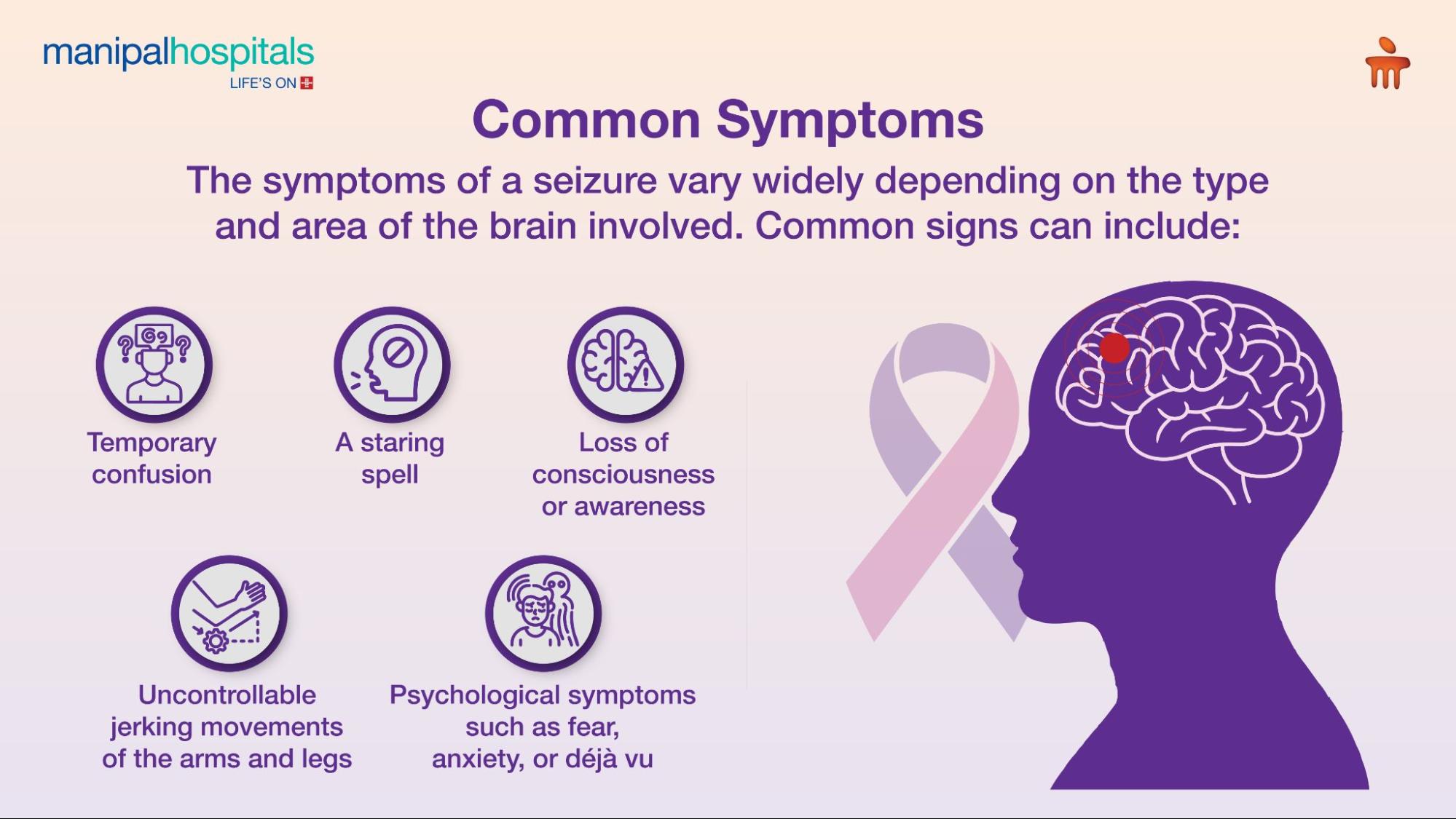
These seizures are brief episodes of abnormal electrical activity in the brain, leading to a variety of symptoms, from momentary confusion to full-body convulsions.
-
It's a condition that affects people of all ages, genders, and races, making epilepsy awareness a truly global imperative.
-
Remarkably, studies show that with proper diagnosis and epilepsy treatment, up to 70% of people with epilepsy can achieve effective seizure control, significantly improving their quality of life.
Causes and Risk Factors
The causes of epilepsy can be varied and, in many cases, unknown. However, common factors contributing to the development of this condition include:
-
Genetic predisposition: Certain genes can increase susceptibility.
-
Brain injury: Head trauma, stroke, or other brain injuries can lead to epilepsy.
-
Infections: Conditions like meningitis, encephalitis, or neurocysticercosis can cause brain damage and lead to seizures.
-
Developmental disorders: Autism and neurofibromatosis can be associated with epilepsy.
-
Brain tumours: Both benign and malignant tumours can disrupt normal brain activity.
-
Prenatal injuries: Brain damage occurring before or during birth.
The History and Significance of International Epilepsy Day
When and Why it Started
-
International Epilepsy Day was established by the International Bureau for Epilepsy (IBE) and the International League Against Epilepsy (ILAE).
-
Its inception aimed to create a unified voice and a global platform to advocate for people with epilepsy.
-
Celebrated annually on the second Monday of February, this day brings together individuals, families, and healthcare professionals from over 130 countries to highlight the challenges faced by those with epilepsy and to promote understanding and support.
-
It serves as a powerful reminder that no one should feel alone in their journey with epilepsy.
Global Impact
Since its inception, International Epilepsy Day has significantly amplified epilepsy awareness worldwide.
It has fostered conversations that lead to reduced stigma, improved access to care, and increased funding for research.
Globally, it's estimated that over 50 million people live with epilepsy, making it one of the most common neurological conditions.
Through collective efforts on this day, we've seen progress in destigmatising the condition, with more people openly discussing their experiences and seeking timely medical advice. This global solidarity has been instrumental in shaping better policies and services for living with epilepsy.
Modern Approaches to Epilepsy Treatment and Management
Diagnostic Procedures
Diagnosing epilepsy typically involves a detailed medical history, neurological examination, and various tests to confirm the diagnosis and identify the seizure type. Key diagnostic tools include:
-
Electroencephalogram (EEG): Measures electrical activity in the brain.
-
Magnetic Resonance Imaging (MRI): Provides detailed images of the brain to detect abnormalities.
-
Computed Tomography (CT) scan: Can identify brain lesions or other structural issues.
-
Blood tests: To rule out other conditions that might cause seizures.
Treatment Options
Epilepsy treatment has advanced significantly, offering hope and effective solutions for many. The primary goal is to achieve seizure freedom or significantly reduce seizure frequency with minimal side effects. Treatment options often include:
-
Antiseizure Medications: These are the most common initial treatment. Around 7 out of 10 people can become seizure-free with medication.
-
Epilepsy Surgery: For individuals whose seizures are not controlled by medication, surgery may be an option to remove the seizure-causing area of the brain.
-
Dietary Therapies: The ketogenic diet, for example, is a high-fat, low-carbohydrate diet that can be effective for some individuals, particularly children, who have drug-resistant epilepsy.
-
Vagus Nerve Stimulation (VNS): A device implanted under the skin of the chest sends electrical pulses to the brain via the vagus nerve to reduce seizure frequency.
-
Responsive Neurostimulation (RNS): A device implanted directly into the brain monitors brain activity and delivers electrical stimulation when it detects unusual activity, aiming to prevent seizures.
Our neurologists in Patiala provide expert care for epilepsy, tailoring treatment plans to each patient's unique needs, with a commitment to achieving the best possible outcomes.
Living Well with Epilepsy
Living with epilepsy involves more than just managing seizures. It encompasses a holistic approach to brain health and well-being. This includes adhering to treatment plans, maintaining a healthy lifestyle, managing stress, and building a strong support network. Many individuals with epilepsy lead full, productive lives, pursuing careers, raising families, and contributing meaningfully to society, thanks to effective seizure management strategies and comprehensive care.
Care Essentials: Do's and Don'ts
Knowing how to act during a seizure can make a significant difference. Here are crucial dos and don'ts:
Do's:
-
Stay Calm: Most seizures end on their own within a few minutes.
-
Protect from Injury: Gently guide the person to the floor. Clear away any hard or sharp objects. Place something soft under their head.
-
Time the Seizure: Note when the seizure starts and ends. This information is vital for medical professionals.
-
Stay with the Person: Remain with them until the seizure is over and they are fully aware.
-
Call for Medical Help: If the seizure lasts longer than 5 minutes, if another seizure starts soon after, if the person is injured, or if it's their first seizure.
Don'ts:
-
Do Not Restrain: Do not try to hold the person down or stop their movements.
-
Do Not Put Anything in Their Mouth: This is a common misconception and can cause serious injury.
-
Do Not Give Food or Drink: Wait until they are fully alert and aware after the seizure.
-
Do Not Leave Them Alone Immediately After: They may be confused or disoriented.
Conclusion
If you or a loved one is experiencing symptoms that suggest epilepsy or if you have concerns about managing seizures, it's crucial to seek timely medical advice. Book an appointment with our expert neurologists in Patiala today for comprehensive diagnosis and personalised epilepsy treatment plans.
FAQ's
While there is no universal cure for epilepsy, it can be effectively managed in most cases. Many individuals achieve seizure freedom with medication or other treatments, allowing them to lead normal lives.
Not all forms of epilepsy are preventable, especially those with genetic causes. However, reducing risk factors like head injuries, strokes, and infections can help prevent some acquired forms of epilepsy.
Stay calm, protect the person from injury by moving objects away and placing something soft under their head, time the seizure, and stay with them until they recover. Call for medical help if the seizure lasts over 5 minutes or if it's their first seizure.
Driving regulations for people with epilepsy vary by region. Generally, there is a requirement to be seizure-free for a specific period (e.g., 6 months to a year) before being allowed to drive. It's important to consult with a neurologist and local driving authorities.
Offer understanding, educate yourself about the condition, be aware of seizure first aid, encourage them to adhere to their epilepsy treatment plan, and support their efforts in managing seizures. Your empathy and support can make a significant difference.
Share this article on: