6 Min Read
Heart health is central to overall well-being, yet many people dismiss early symptoms until a serious event occurs. Understanding the signs of heart problems can help you seek medical care early, reduce complications, and improve long-term outcomes.
In India, heart disease remains a leading cause of illness, making awareness even more essential. Recognising the signs of heart problems early and consulting our cardiologists in Patiala can make a life-saving difference. Many warning signs are subtle, develop gradually, and are often mistaken for stress, ageing, or fatigue.
This blog explains the most important signs of heart problems you should never ignore, why they occur, and when to act.
Synopsis
- Why Early Detection of Heart Problems Matters
- Chest Discomfort or Pain
- Shortness of Breath
- Fatigue and Weakness
- Palpitations and Irregular Heartbeat
- Swelling in Legs, Ankles, or Feet
- Dizziness or Fainting
- Is Cold Hands and Feet a Sign of Heart Problems?
- Persistent Cough or Wheezing
- Nausea, Indigestion, or Upper Abdominal Discomfort
- Signs of Heart Valve Problem
- Sleep Disturbances and Night-time Symptoms
- Risk Factors That Increase Concern
- When to Seek Medical Help
- How Heart Problems Are Diagnosed
- Prevention and Heart-Healthy Habits
- The Importance of Specialist Care
Why Early Detection of Heart Problems Matters
The heart works tirelessly to pump blood throughout the body. When it begins to struggle, the body often sends signals. These signs of heart problems may appear weeks, months, or even years before a major cardiac event. Early diagnosis allows lifestyle changes, medications, or procedures that can prevent heart attacks, heart failure, or sudden cardiac death. Unfortunately, many people ignore the signs of heart problems until symptoms become severe. Awareness and timely action are key to protecting heart health.
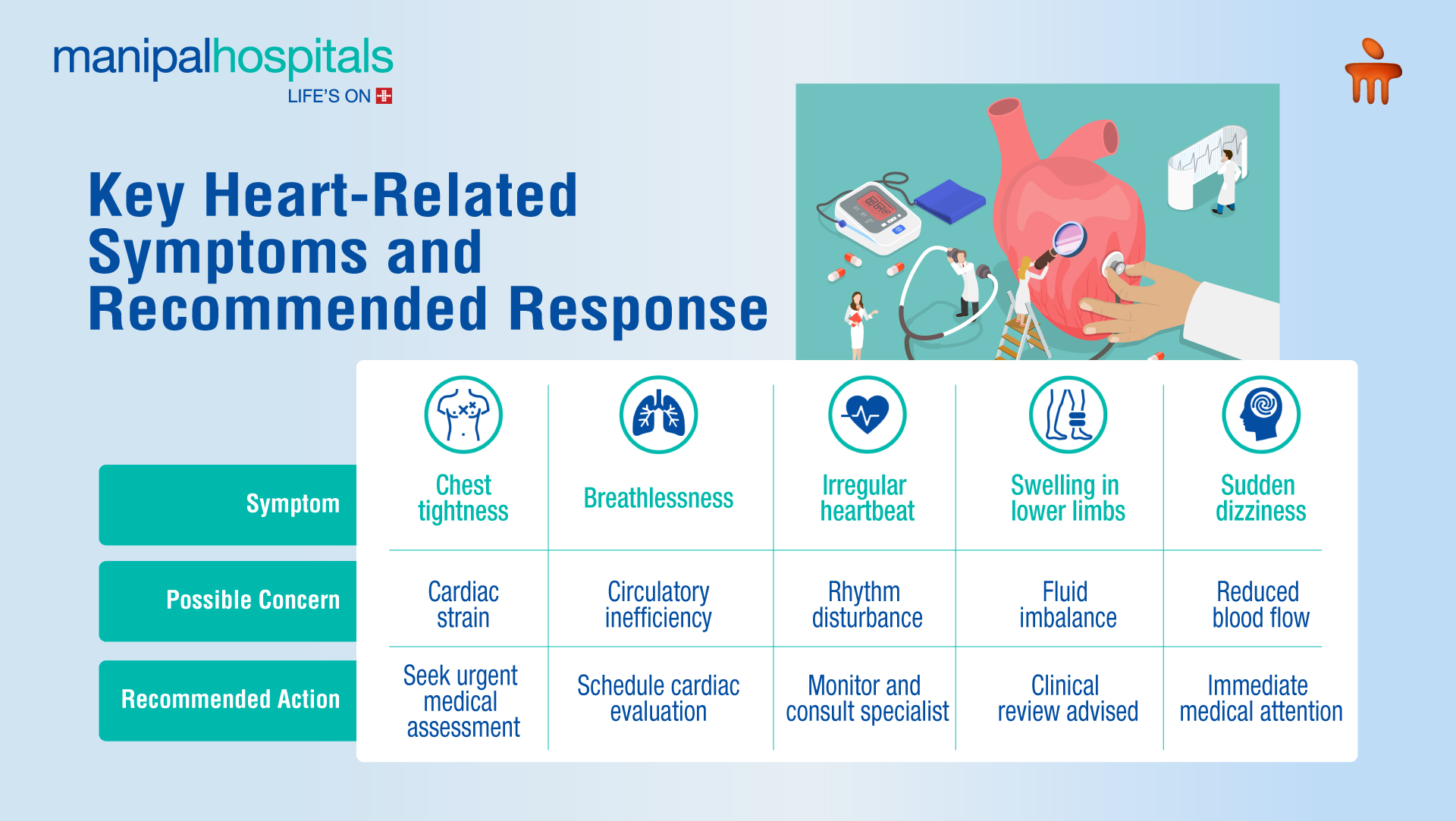
Chest Discomfort or Pain
One of the most recognised signs of heart problems is chest discomfort.
This may feel like:
-
Pressure
-
Tightness
-
Squeezing
-
Burning in the centre or left side of the chest
It does not always present as sharp pain. Some people describe it as heaviness or fullness that comes and goes. Chest discomfort related to heart issues may worsen with physical activity or emotional stress and improve with rest. Ignoring these common signs of heart problems can be dangerous, especially if it lasts more than a few minutes.
Shortness of Breath
Unexplained breathlessness is another major indicator. When the heart cannot pump blood efficiently, fluid may build up in the lungs, making breathing difficult.
Shortness of breath during simple activities, while lying flat, or during sleep are concerning sign of heart problems. If breathlessness is persistent or worsening, it should never be ignored.
Consulting our cardiologists in Patiala can help determine whether the cause is cardiac or related to another condition.
Fatigue and Weakness
Ongoing tiredness is often overlooked, yet it is among the subtle signs of heart problems. When the heart struggles to meet the body’s demands, muscles and organs receive less oxygen-rich blood, leading to fatigue. Women, in particular, may experience extreme tiredness days or weeks before a cardiac event. Persistent weakness without a clear cause should raise concern about possible signs of heart problems.
Palpitations and Irregular Heartbeat
Feeling that your heart is racing, fluttering, or skipping beats may indicate rhythm disturbances. While occasional palpitations can be harmless, frequent or prolonged episodes may be signs of heart problems.
Arrhythmias can affect blood flow and increase the risk of stroke or heart failure.
If palpitations are accompanied by dizziness, chest discomfort, or breathlessness, immediate medical evaluation is essential.
Swelling in Legs, Ankles, or Feet
Fluid retention, causing swelling in the lower limbs, can be a warning sign of heart failure. When the heart cannot pump efficiently, blood backs up in veins, leading to fluid leakage into the surrounding tissues. Persistent swelling is one of the physical signs of heart problems that should not be ignored, especially when combined with fatigue or breathlessness.
Dizziness or Fainting
Light-headedness, dizziness, or fainting may occur when the brain does not receive enough blood. These episodes can result from abnormal heart rhythms or valve issues. Such symptoms are important signs of heart problems, particularly in older adults or individuals with known risk factors like high blood pressure or diabetes.
Is Cold Hands and Feet a Sign of Heart Problems?
Many people wonder whether cold hands and feet are a sign of heart problems?
In some cases, yes.
Poor circulation due to reduced cardiac output or narrowed blood vessels can cause extremities to feel cold.
While cold hands and feet can also be linked to conditions like anaemia or thyroid disorders, persistent symptoms alongside fatigue or breathlessness may indicate underlying signs of heart problems. A proper cardiac evaluation helps clarify the cause.
Persistent Cough or Wheezing
A chronic cough producing white or pink-tinged mucus may signal fluid build-up in the lungs, often linked to heart failure. This is one of the lesser-known signs of heart problems that people frequently attribute to respiratory infections. When a cough persists without fever or infection, heart health should be assessed.
Nausea, Indigestion, or Upper Abdominal Discomfort
Heart-related pain does not always stay in the chest. Some individuals experience nausea, indigestion, bloating, or discomfort in the upper abdomen. These symptoms, particularly when combined with sweating or fatigue, can be signs of heart problems, especially during a heart attack.
Signs of Heart Valve Problem
Heart valves regulate blood flow through the heart. When they malfunction, symptoms may develop gradually.
Common signs of a heart valve problem include:
-
Breathlessness
-
Fatigue
-
Palpitations
-
Swelling in the legs or abdomen
A heart murmur detected during examination may also suggest valve disease. Early identification of signs of heart valve problem allows monitoring or timely intervention to prevent complications.
Sleep Disturbances and Night-time Symptoms
Waking up breathless, experiencing chest discomfort at night, or needing multiple pillows to sleep comfortably can indicate heart failure.
These nighttime signs of heart problems suggest fluid redistribution when lying down. Such symptoms should prompt immediate consultation.
Risk Factors That Increase Concern
Certain individuals should be particularly vigilant about signs of heart problems. These include people with high blood pressure, diabetes, high cholesterol, obesity, smoking history, sedentary lifestyle, or family history of heart disease. If you fall into these categories, even mild symptoms deserve attention from our cardiologists in Patiala.
When to Seek Medical Help
Never wait if you experience sudden chest pain, severe breathlessness, fainting, or symptoms spreading to the arm, jaw, or back. These may indicate a medical emergency. Early response can save heart muscle and lives. Even less dramatic signs of heart problems, if persistent, should be evaluated promptly.
How Heart Problems Are Diagnosed
Doctors use medical history, physical examination, blood tests, ECG, echocardiography, stress testing, and imaging studies to identify heart conditions. Understanding your symptoms helps clinicians detect signs of heart problems early and tailor treatment effectively.
Prevention and Heart-Healthy Habits
While recognising signs of heart problems is crucial, prevention is equally important. A balanced diet, regular exercise, stress management, adequate sleep, and avoiding smoking significantly reduce risk. Routine health check-ups help identify silent issues before symptoms appear.
The Importance of Specialist Care
Heart conditions require expert assessment and ongoing management. Timely consultation with our cardiologists in Patiala ensures accurate diagnosis, personalised treatment, and long-term follow-up. Early care improves quality of life and survival.
FAQ's
The most common signs of heart problems include chest discomfort, breathlessness, fatigue, palpitations, swelling in legs, and dizziness.
Yes, is cold hands and feet a sign of heart problems can be true in cases of poor circulation, especially when combined with other cardiac symptoms.
Typical signs of a heart valve problem include breathlessness, chest pain, fatigue, palpitations, swelling, and heart murmurs detected on examination.
Any persistent or worsening signs of heart problems or sudden severe symptoms require immediate medical attention.
Yes, early detection of signs of heart problems allows treatment and lifestyle changes that can prevent serious complications.
Share this article on:


.webp "silent-heart-attack-symptoms-risk-factors")