7 Min Read
Coronary artery disease (CAD) is a significant health concern globally, affecting millions and standing as a leading cause of mortality. Understanding “what is coronary artery disease”, its causes, and its warning signs is crucial for early detection and effective management. At Manipal Hospitals, our dedicated team, including our highly experienced cardiologists in Patiala, is committed to providing comprehensive care, from prevention and diagnosis to advanced coronary artery disease treatment, ensuring the best possible outcomes for our patients.
Synopsis
Understanding Coronary Artery Disease
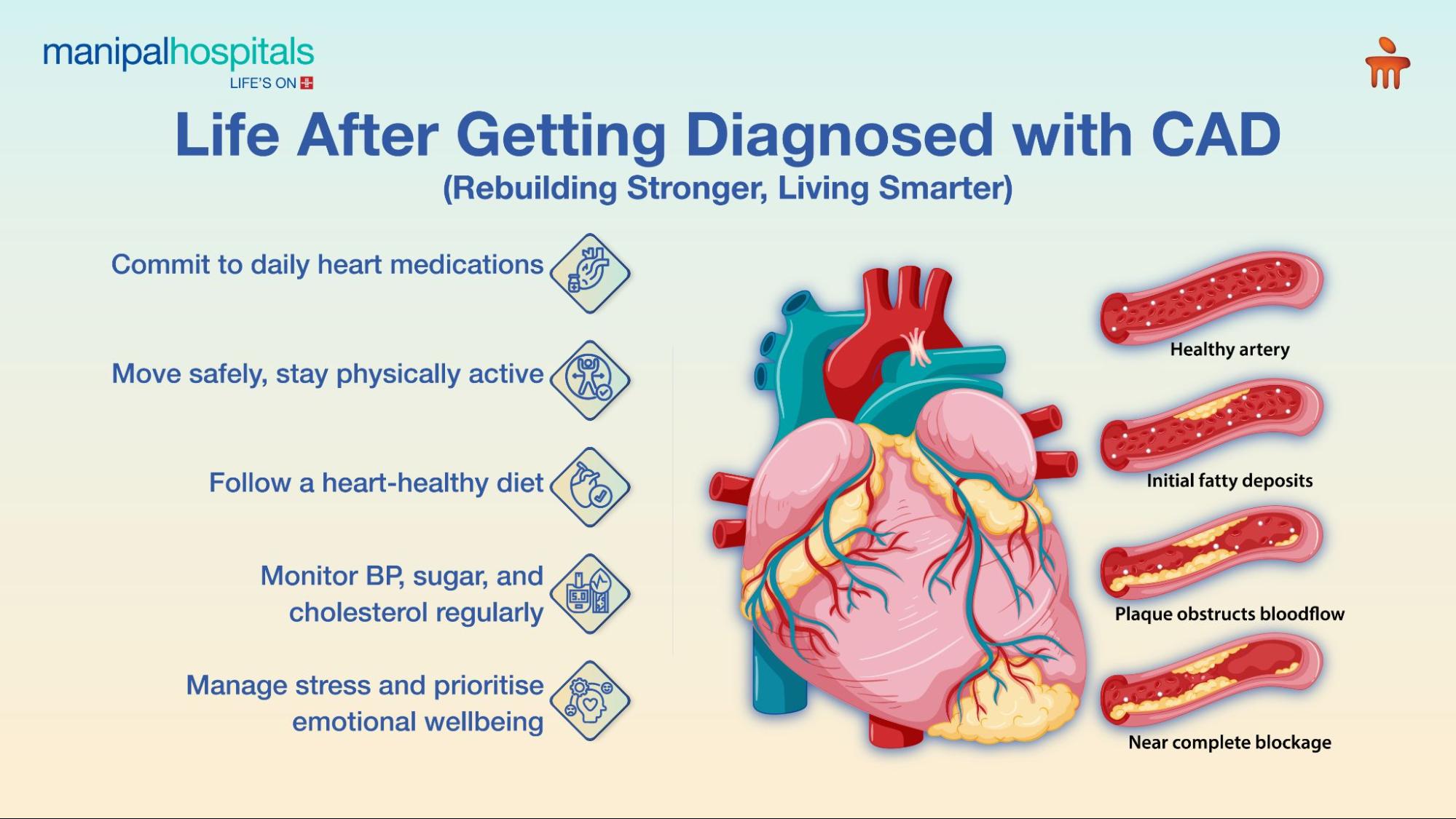
Coronary artery disease, often simply called CAD, occurs when the major blood vessels that supply the heart with blood, oxygen, and nutrients (the coronary arteries) become damaged and narrowed. This damage is typically due to the build-up of plaque, a waxy substance made of cholesterol, fat, and other materials, inside the artery walls – a process known as atherosclerosis. Over time, this plaque hardens and narrows the arteries, restricting blood flow to the heart. This reduced blood flow can lead to a range of symptoms and, if severe, can result in a heart attack or other serious cardiovascular events.
-
Globally, CAD affects an estimated 126 million people, highlighting its widespread impact on public health.
-
Early diagnosis and appropriate intervention can significantly reduce the risk of severe complications, improving patient quality of life by up to 70-80%.
The Causes of Coronary Artery Disease
Several factors contribute to the development of coronary artery disease. These coronary artery disease causes can be broadly categorised into modifiable and non-modifiable risks:
Modifiable Risk Factors:
-
High Blood Pressure (Hypertension): Uncontrolled high blood pressure can damage the arteries, making them more susceptible to plaque build-up.
-
High Cholesterol Levels: High levels of low-density lipoprotein (LDL) cholesterol ("bad" cholesterol) contribute directly to plaque formation.
-
Diabetes: High blood sugar levels can damage blood vessels and nerves that control the heart.
-
Smoking: Nicotine and other chemicals in tobacco smoke constrict blood vessels, increase blood pressure, and accelerate atherosclerosis.
-
Obesity: Excess weight, particularly around the abdomen, is linked to high blood pressure, diabetes, and high cholesterol.
-
Lack of Physical Activity: A sedentary lifestyle contributes to obesity, high blood pressure, and high cholesterol.
-
Unhealthy Diet: Diets high in saturated fats, trans fats, sugar, and sodium can exacerbate risk factors.
-
Stress: Chronic stress can contribute to high blood pressure and other CAD risk factors.
Non-Modifiable Risk Factors:
-
Age: The risk of damaged and narrowed arteries increases with age.
-
Gender: Men are generally at greater risk, though the risk for women increases after menopause.
-
Family History: A strong family history of heart disease, especially at an early age, increases your risk.
Recognising the Warning Signs of Coronary Artery Disease
Understanding coronary artery disease symptoms is vital for timely medical intervention. While some people may experience no symptoms until a significant event like a heart attack, others may present with more subtle indicators. Common coronary artery disease symptoms include:
-
Chest Pain (Angina): This is the most common symptom, often described as pressure, tightness, heaviness, burning, or squeezing in the chest. It may radiate to the arm, neck, jaw, back, or stomach. Angina typically occurs with exertion or emotional stress and subsides with rest.
-
Shortness of Breath: If your heart can't pump enough blood to meet your body's needs, you may develop shortness of breath, particularly during activity or at rest.
-
Fatigue: Unusual or excessive tiredness, especially during physical activity, can be a sign.
-
Palpitations: A feeling of a rapid, pounding, or fluttering heartbeat.
-
Swelling in Legs or Ankles: This can indicate that the heart is not pumping effectively.
-
Nausea, Indigestion, or Abdominal Pain: These symptoms can sometimes accompany angina, particularly in women.
-
Dizziness or Light-headedness: Reduced blood flow to the brain can cause these sensations.
If you experience any of these symptoms, especially if they are new, worsening, or occur at rest, it is crucial to seek immediate medical attention. Our team at Manipal Hospitals is equipped to accurately diagnose and manage these conditions.
Modern Treatment Approaches for Coronary Artery Disease
The coronary artery disease treatment plan is tailored to each patient, considering the severity of the disease, overall health, and risk factors. The primary goals are to relieve symptoms, slow the progression of atherosclerosis, prevent complications, and improve quality of life. Modern treatment options often involve a combination of lifestyle changes, medication, and, when necessary, interventional procedures or surgery.
Lifestyle Modifications
These are fundamental to managing and preventing CAD progression. Our experts, including the best cardiologists in Patiala, guide patients through:
-
Heart-Healthy Diet: Emphasising fruits, vegetables, whole grains, lean proteins, and healthy fats, while limiting saturated and trans fats, cholesterol, sodium, and sugar.
-
Regular Physical Activity: Aiming for at least 30 minutes of moderate-intensity exercise most days of the week.
-
Smoking Cessation: Quitting smoking is one of the most impactful steps to improve heart health.
-
Weight Management: Achieving and maintaining a healthy body weight.
-
Stress Reduction: Techniques such as meditation, yoga, or spending time in nature.
Medical Management
Various medications can help control CAD symptoms and reduce the risk of future events:
-
Cholesterol-Lowering Medications: To reduce LDL cholesterol levels.
-
Blood Pressure Medications: To lower high blood pressure.
-
Blood Thinners: To prevent blood clots from forming in narrowed arteries.
-
Beta-Blockers: To slow the heart rate and reduce blood pressure, easing the heart's workload.
-
Nitroglycerin: To temporarily widen arteries and relieve angina.
Interventional Procedures
For more severe blockages, interventional cardiology procedures may be recommended:
Angioplasty and Stenting: A procedure where a balloon-tipped catheter is inserted into a blocked artery to widen it, often followed by the placement of a small mesh tube (stent) to keep it open. Manipal Hospitals boasts an impressive success rate of over 95% for angioplasty procedures, significantly improving blood flow and reducing angina.
Surgical Options
In cases of multiple or complex blockages, surgical intervention may be necessary:
Coronary Artery Bypass Graft (CABG) Surgery: A healthy blood vessel from another part of the body is used to create a new path for blood to flow around a blocked coronary artery. This procedure has a high success rate, with studies showing excellent long-term outcomes for over 80% of patients who undergo the surgery, restoring optimal blood supply to the heart. Our cardiac surgeons at Manipal Hospitals are highly skilled in performing these life-saving procedures.
Recovery and Rehabilitation
Following a cardiac event or procedure, cardiac rehabilitation plays a crucial role in recovery. This supervised program combines exercise training, education on heart-healthy living, and counselling to reduce stress and help patients return to an active, fulfilling life. Patients who participate in cardiac rehabilitation programmes often experience a 20-30% reduction in mortality risk and improved exercise capacity.
If you are experiencing any symptoms or have concerns about your heart health, it's crucial to seek timely medical advice. Book an appointment with our expert cardiologists at Manipal Hospitals today. Our team, including the best cardiologists in Patiala, is ready to provide you with personalised care.
FAQ's
The main cause is atherosclerosis, the build-up of plaque in the arteries, usually triggered by factors like high cholesterol, high blood pressure, smoking, and diabetes.
While the damage caused by atherosclerosis cannot be fully reversed, CAD can be effectively managed with lifestyle changes, medications, and medical procedures to prevent progression and reduce symptoms.
Not necessarily. Chest pain can be caused by various factors, but persistent or severe chest pain, especially with exertion, should always be evaluated by a doctor to rule out CAD.
Diagnosis involves a physical exam, review of medical history, blood tests (e.g., cholesterol levels), ECG, stress tests, and imaging tests like echocardiograms or coronary angiograms.
A heart-healthy diet is fundamental. It helps manage cholesterol, blood pressure, and weight, directly impacting the progression of atherosclerosis and overall heart health.
Share this article on:


.webp "silent-heart-attack-symptoms-risk-factors")