7 Min Read
Experiencing a burning sensation in your chest after a hearty meal is a common discomfort for many. This familiar feeling, often described as heartburn, is a primary symptom of acid reflux, or simply acidity. While occasional episodes might seem harmless, persistent acidity can significantly impact your quality of life. At Manipal Hospitals, we understand these concerns and our dedicated team, including our gastroenterologists in Patiala, is committed to providing comprehensive care and effective solutions for digestive health issues. This article delves into the common cause of heartburn, its accompanying symptoms, and practical relief tips, especially after indulging in heavy meals.
Acidity and heartburn occur when stomach acid flows back into the oesophagus, the tube connecting your mouth to your stomach. The oesophagus isn't designed to withstand stomach acid, leading to irritation and inflammation, which manifests as the characteristic burning sensation. This reflux is often triggered by what and how we eat, particularly after larger meals that can put pressure on the lower oesophageal sphincter (LES) – a muscular valve that normally prevents acid from moving upwards.
Understanding the triggers is the first step towards managing this condition effectively. With proactive lifestyle changes and timely medical guidance, most individuals can find significant relief and improve their digestive well-being. Studies indicate that lifestyle modifications alone can alleviate symptoms in over 70% of patients experiencing mild to moderate acid reflux, highlighting the power of informed choices.
Synopsis
What Causes Acidity and Heartburn After Heavy Meals?
While many factors contribute to acidity, heavy meals often act as a direct trigger. Here's a closer look at the common culprits:
-
Dietary Choices: Certain foods are notorious for relaxing the LES or increasing stomach acid production. These include fatty foods (fried dishes, rich desserts), spicy foods, acidic fruits (citrus, tomatoes), chocolate, caffeine, and alcoholic beverages. Consuming large quantities of these in one sitting can overwhelm the digestive system.
-
Overeating: Eating excessively fills the stomach, increasing pressure on the LES. This makes it easier for stomach contents, including acid, to push back into the oesophagus.
-
Eating Too Quickly: When you eat fast, you tend to swallow more air, which can lead to bloating and increased pressure within the stomach, encouraging reflux.
-
Lying Down Soon After Eating: Gravity usually helps keep stomach acid in its place. Lying down immediately after a heavy meal removes this natural barrier, making reflux more likely.
-
Obesity: Excess weight, particularly around the abdomen, puts increased pressure on the stomach, forcing acid upwards. Research shows that individuals with a higher body mass index (BMI) are at a significantly higher risk of developing acid reflux symptoms.
-
Smoking: Nicotine can relax the LES and reduce saliva production, which acts as a natural acid neutraliser.
-
Stress and Anxiety: While not a direct physiological cause, stress can exacerbate symptoms by altering digestive processes and increasing pain sensitivity.
-
Hiatal Hernia: A medical condition where part of the stomach pushes up through the diaphragm, weakening the LES and making acid reflux more common.
Recognising the Symptoms of Heartburn
While the burning chest pain is the hallmark symptom, acidity can manifest in various ways:
-
Burning Sensation: A burning pain or discomfort behind the breastbone, often worse after eating, bending over, or lying down. This is the classic heartburn symptom.
-
Sour Taste: A bitter or sour taste in the back of the throat due to regurgitated stomach acid.
-
Difficulty Swallowing (Dysphagia): Sensation of food getting stuck in the throat or chest.
-
Chronic Cough or Hoarseness: Acid reflux can irritate the vocal cords and airways, leading to a persistent cough, especially at night, or hoarseness.
-
Nausea and Indigestion: A general feeling of discomfort or sickness in the stomach, often accompanied by belching or bloating.
-
Throat Soreness: Persistent irritation in the throat.
If you experience these symptoms frequently, it's vital to seek professional advice. Early intervention can prevent potential complications and ensure effective heartburn treatment.
Effective Relief Tips for Acidity and Heartburn After Heavy Meals
Fortunately, there are several strategies and home remedies for heartburn that can provide relief and help manage symptoms. Many of these focus on dietary and lifestyle adjustments, which are often the most impactful approaches:
-
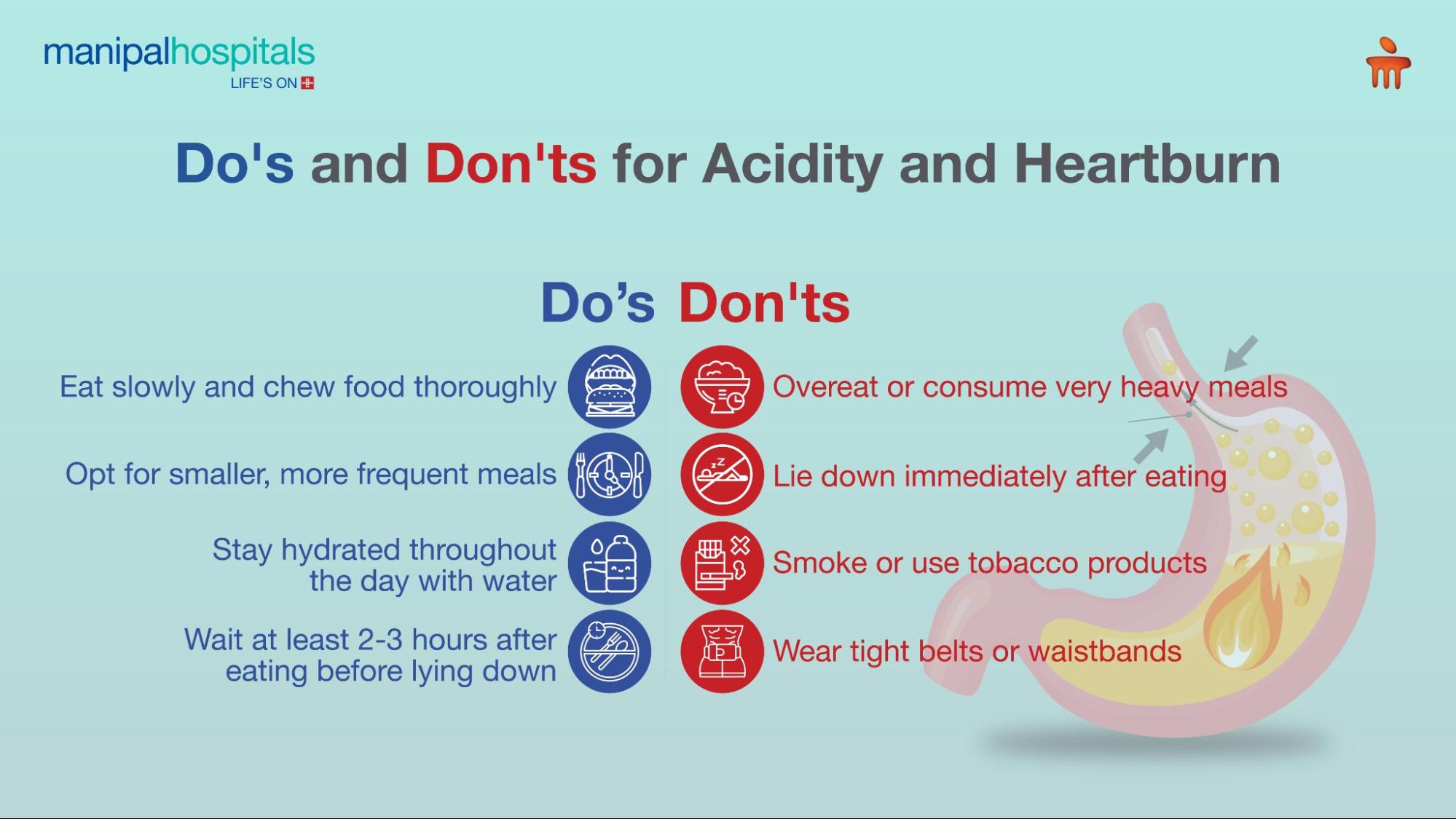
Portion Control: Eat smaller, more frequent meals instead of large, heavy ones. This prevents your stomach from becoming overly full and reduces pressure on the LES.
-
Mindful Eating: Eat slowly and chew your food thoroughly. This aids digestion and reduces the amount of air swallowed.
-
Avoid Trigger Foods: Identify and limit your intake of foods that typically cause your heartburn, such as fatty, spicy, acidic, or caffeinated items.
-
Stay Upright After Meals: Remain upright for at least 2-3 hours after eating, especially after dinner. A short, gentle walk can also aid digestion.
-
Elevate Your Head While Sleeping: If nighttime heartburn is an issue, raise the head of your bed by 6-8 inches. This can be achieved with a wedge pillow or by placing blocks under the bedposts.
-
Maintain a Healthy Weight: Losing excess weight, if applicable, can significantly reduce the pressure on your stomach and improve acid reflux symptoms.
-
Quit Smoking: Eliminating smoking is one of the most effective ways to improve overall digestive health and reduce acid reflux.
-
Stress Management: Practice relaxation techniques like meditation, yoga, or deep breathing exercises to manage stress, which can exacerbate symptoms.
-
Natural Remedies for Acid Reflux:
-
Ginger: Known for its anti-inflammatory properties, ginger tea (freshly brewed, without caffeine) can soothe the digestive system.
-
Aloe Vera Juice: A small amount of pure aloe vera juice (ensure it's safe for internal consumption) can help reduce inflammation in the oesophagus.
-
Bananas: Their high pH content makes them a natural antacid.
-
Chewing Gum: Chewing gum after meals stimulates saliva production, which helps neutralise acid and wash it back down.
-
Baking Soda (Sodium Bicarbonate): A small amount (half a teaspoon) dissolved in water can temporarily neutralise stomach acid. Use sparingly as an emergency remedy, not as a regular practice, and consult your doctor first.
-
-
Wear Loose-Fitting Clothing: Tight clothing around the waist can put pressure on your stomach, contributing to reflux.
Long-Term Management and Expert Care
While lifestyle changes and home remedies for heartburn are highly effective, some individuals may require further evaluation and treatment. If your symptoms are persistent, severe, or do not respond to simple remedies, it's crucial to consult a medical professional. Chronic acid reflux, if left untreated, can lead to complications such as oesophagitis, oesophageal stricture, or even a pre-cancerous condition called Barrett's oesophagus.
Conclusion
Effective heartburn treatment often involves a combination of medication, lifestyle adjustments, and in some rare cases, surgical intervention. Medical advancements have led to a high success rate in managing chronic acid reflux, with many patients achieving significant symptom control and an improved quality of life. For instance, structured treatment plans, often involving medication alongside dietary changes, show successful symptom resolution in up to 90% of cases within a few weeks for many patients.
Our team of experienced gastroenterologists at Manipal Hospitals is equipped to diagnose and treat a wide range of digestive disorders. We offer personalised care plans tailored to your specific needs, helping you understand the cause of heartburn and guiding you towards lasting relief. Don't let acidity and heartburn dictate your life; professional help is readily available.
FAQ's
Acidity refers to the production of excess stomach acid, which can cause symptoms like indigestion and a sour taste. Heartburn is a specific symptom of acid reflux, characterised by a burning sensation in the chest, caused when stomach acid flows back into the oesophagus.
While stress doesn't directly cause acid reflux, it can exacerbate existing symptoms. Stress can alter digestive processes, increase acid production, and make you more sensitive to the pain of heartburn.
Common triggers include fatty, fried foods, spicy foods, acidic fruits (citrus, tomatoes), chocolate, peppermint, caffeine, and alcohol. It's often best to identify your personal triggers and limit or avoid them.
You should consult a doctor if your heartburn is frequent (more than twice a week), severe, doesn't improve with over-the-counter medications or lifestyle changes, or is accompanied by other symptoms like difficulty swallowing, unexplained weight loss, or persistent nausea.
Natural remedies can provide significant relief for mild and occasional acid reflux symptoms and complement medical treatment. However, they may not be sufficient for chronic or severe cases, which often require professional medical intervention for complete management and to prevent complications.
Share this article on: