5 Min Read
Spinal stenosis is a common degenerative spine condition that develops when spaces within the spinal canal narrow, putting pressure on the spinal cord or nerves. This narrowing can significantly affect mobility, comfort, and overall quality of life. While many people manage spinal stenosis with conservative care, others eventually require surgery for spinal stenosis to relieve nerve compression and restore function.
This blog explains spinal stenosis, its symptoms, causes, treatment options, and what patients should realistically expect from spine surgery.
Synopsis
- What Is Spinal Stenosis?
- Common Spinal Stenosis Symptoms
- Types of Spinal Stenosis
- Lumbar Spinal Stenosis Explained
- Cervical Spinal Stenosis: Why It’s Serious
- Common Causes of Spinal Stenosis
- Non-Surgical Spinal Stenosis Treatment Options
- When Is Surgery for Spinal Stenosis Needed?
- Types of Surgery for Spinal Stenosis
- Benefits of Endoscopic Spine Surgery
- Recovery After Surgery for Spinal Stenosis
- Long-Term Outcomes of Spinal Stenosis Surgery
- Living With Spinal Stenosis After Surgery
- Conclusion
What Is Spinal Stenosis?
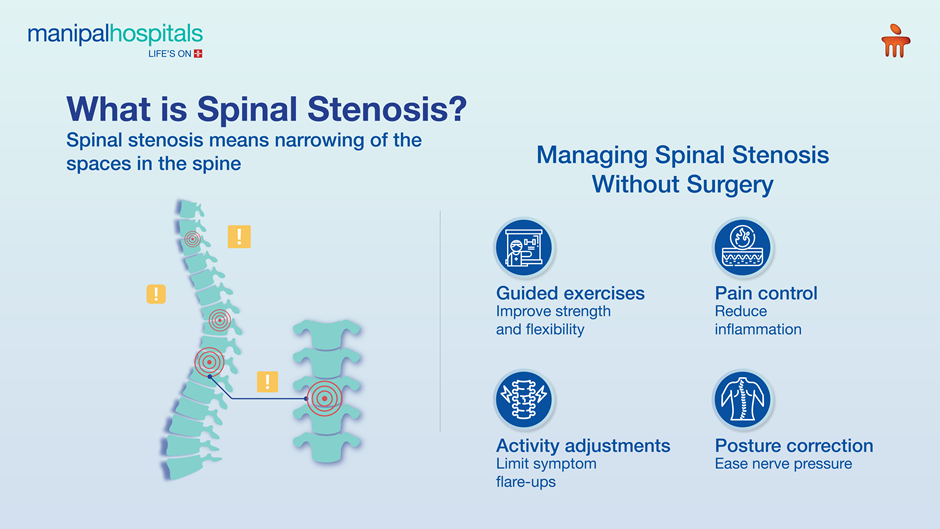
Spinal stenosis refers to the abnormal narrowing of the spinal canal or nerve passageways. This narrowing reduces space for the spinal cord and nerve roots, leading to pain, numbness, or weakness.
Although spinal stenosis can occur anywhere in the spine, it most commonly affects the cervical (neck) and lumbar (lower back) regions. Age-related wear and tear is the leading cause, making spinal stenosis more common in individuals over 50.
Common Spinal Stenosis Symptoms
Spinal stenosis symptoms vary depending on the location and severity of nerve compression.
Typical Spinal Stenosis Symptoms Include
-
Persistent back or neck pain
-
Numbness or tingling in arms or legs
-
Difficulty walking or standing for long periods
-
Balance problems in advanced cases
Spinal stenosis symptoms often worsen with activity and improve with rest.
Types of Spinal Stenosis
Understanding the location helps guide appropriate spinal stenosis treatment.
Major Types of Spinal Stenosis
|
Type |
Affected Area |
Common Features |
|
Lumbar spinal stenosis |
Lower back |
Leg pain, walking difficulty, reduced walking distance |
|
Cervical spinal stenosis |
Neck |
Arm weakness, balance issues |
Among these, lumbar spinal stenosis is the most frequently diagnosed form.
Lumbar Spinal Stenosis Explained
Lumbar spinal stenosis affects the lower spine and often causes leg pain, numbness, or heaviness during walking, a condition known as neurogenic claudication.
Key Features of Lumbar Spinal Stenosis
-
Pain radiating from the back to the legs
-
Symptoms worsen while standing upright
-
Relief when sitting
-
Walking worsens the symptoms
-
Walking distance is reduced
When conservative measures fail, surgery for spinal stenosis may be recommended to improve walking capacity.
Cervical Spinal Stenosis: Why It’s Serious
Cervical spinal stenosis compresses the spinal cord itself, making it potentially more dangerous.
Symptoms of Cervical Spinal Stenosis
-
Neck stiffness
-
Arm or hand numbness
-
Loss of fine motor skills
-
Gait imbalance
Early diagnosis is critical. According to our spine specialists in Gurugram, delayed treatment of cervical spinal stenosis may lead to irreversible nerve damage.
Common Causes of Spinal Stenosis
-
Degenerative disc disease - Age-related disc wear leads to loss of disc height, reduced cushioning, and narrowing of spinal spaces, compressing nearby nerves.
-
Osteoarthritis and bone spurs - Joint degeneration causes bone overgrowths that encroach into the spinal canal, restricting space and irritating spinal nerves.
-
Thickened ligaments - Ligaments may stiffen and thicken over time, bulging into the spinal canal and reducing flexibility and nerve space.
-
Herniated discs - Disc material protrudes into the spinal canal, directly compressing nerves and worsening pain, numbness, or weakness.
-
Congenital spinal narrowing - Some individuals are born with a naturally narrow spinal canal, increasing susceptibility to symptoms later in life.
Non-Surgical Spinal Stenosis Treatment Options
Many patients manage early-stage spinal stenosis without surgery.
Conservative Spinal Stenosis Treatment
|
Treatment Option |
Purpose |
|
Physical therapy |
Improves strength and flexibility |
|
Pain management |
Reduces inflammation |
|
Activity modification |
Prevents symptom flare-ups |
|
Postural correction |
Reduces nerve pressure |
While these options control symptoms, they do not reverse narrowing.
When Is Surgery for Spinal Stenosis Needed?
Surgery for spinal stenosis is considered when:
-
Symptoms persist despite conservative care
-
Walking distance becomes severely limited
-
Neurological weakness progresses
-
Bladder or bowel function is affected
At this stage, spinal stenosis treatment focuses on relieving pressure rather than managing pain alone.
Types of Surgery for Spinal Stenosis
The surgical approach depends on the stenosis location, severity, and overall spine stability.
Common Surgical Procedures
|
Procedure |
Purpose |
|
Decompression surgery |
Removes pressure on nerves |
|
Laminectomy |
Removes part of the vertebral bone |
|
Spinal fusion |
Stabilises unstable segments |
|
Minimally invasive spine surgery |
Reduces tissue damage |
Minimally invasive spine surgery has transformed outcomes for many patients by reducing surgical trauma.
Benefits of Endoscopic Spine Surgery
Modern techniques allow effective decompression with an incision of only 7mm.
Advantages Include
-
Reduced blood loss
-
Shorter hospital stay
-
Faster recovery
-
Lower infection risk
Our spine specialists in Gurugram often recommend minimally invasive approaches when clinically appropriate.
Recovery After Surgery for Spinal Stenosis
Recovery varies based on procedure type and patient health.
What Patients Can Expect
-
Hospital stay: 1–3 days
-
Walking within 24–48 hours
-
Gradual return to daily activities
-
Physical therapy support
Most patients experience significant improvement in spinal stenosis symptoms within weeks.
Long-Term Outcomes of Spinal Stenosis Surgery
When properly selected, surgery for spinal stenosis provides lasting relief.
Expected Benefits
-
Improved mobility
-
Reduced pain and numbness
-
Enhanced quality of life
Long-term success depends on rehabilitation, posture correction, and follow-up care guided by our spine specialists in Gurugram.
Living With Spinal Stenosis After Surgery
Even after surgery, maintaining spine health is essential.
Lifestyle Measures
-
Regular low-impact exercise
-
Weight management
-
Ergonomic posture
-
Periodic spine evaluations
These steps help prevent recurrence of spinal stenosis symptoms.
Conclusion
Spinal stenosis is a manageable condition when diagnosed early and treated appropriately. From recognising spinal stenosis symptoms to choosing the right spinal stenosis treatment, informed decisions make a significant difference. For patients requiring surgery for spinal stenosis, modern techniques, especially minimally invasive spine surgery, offer excellent outcomes and faster recovery. With expert guidance from our spine specialists in Gurugram, patients can regain mobility, comfort, and confidence in daily life.
FAQ's
Spinal stenosis often progresses slowly, but symptom severity varies among individuals.
Yes, mild to moderate cases respond well to conservative spinal stenosis treatment.
When performed by experienced surgeons, surgery for spinal stenosis is generally safe and effective.
Most patients recover functional mobility within 6–12 weeks, depending on the procedure.
Not all cases qualify, but minimally invasive spine surgery is suitable for many patients.
Share this article on:


.webp "Dr. Salil Yadav | Robotic & Laparoscopic Surgery Specialist in Gurugram | Manipal Hospitals")