7 Min Read
There are times when the “I am just tired” becomes “why do I feel weak all the time?” This persistent feeling of low energy, muscle fatigue, or an overall lack of strength can significantly affect daily life, making even routine tasks feel Herculean.
While often used interchangeably, "weakness" and "fatigue" are distinct. Fatigue is a feeling of tiredness or lack of energy, whereas weakness (or asthenia) is a specific reduction in physical strength. When you experience true weakness, it means you can't exert the same force as before, or your muscles tire out much faster. This isn't just about feeling sleepy; it's about a noticeable decrease in your physical capacity. Studies find that a major portion of the adult population experiences unexplained persistent weakness at some point, highlighting the common nature of this weakness and the importance of seeking professional guidance. Persistent weakness should be evaluated by specialists in the Department of Internal Medicine to identify underlying health conditions and provide appropriate treatment.
Synopsis
Common Causes of Constant Body Weakness
Constant body weakness symptoms can be due to various causes, from simple lifestyle adjustments to complex medical conditions.
Lifestyle Factors
-
Poor Sleep Habits: Chronic sleep deprivation directly impairs physical and mental function, leading to profound tiredness and perceived weakness. Ensuring 7-9 hours of quality sleep can dramatically improve energy levels.
-
Inadequate Nutrition: A diet lacking essential vitamins, minerals (like iron, vitamin D, B12, magnesium), and sufficient calories can leave your body without the fuel it needs, resulting in persistent body weakness symptoms.
-
Lack of Physical Activity: Being too sedentary can lead to muscle deconditioning and a feeling of weakness. Regular, moderate exercise can actually boost energy and strength, playing a key role in how to remove weakness from the body.
-
Chronic Stress: Sustained stress triggers a "fight or flight" response, depleting the body's energy reserves and leading to exhaustion and a feeling of weakness.
-
Dehydration: Even mild dehydration can affect energy levels, cognitive function, and muscle performance, contributing to body weakness symptoms.
Medical Conditions
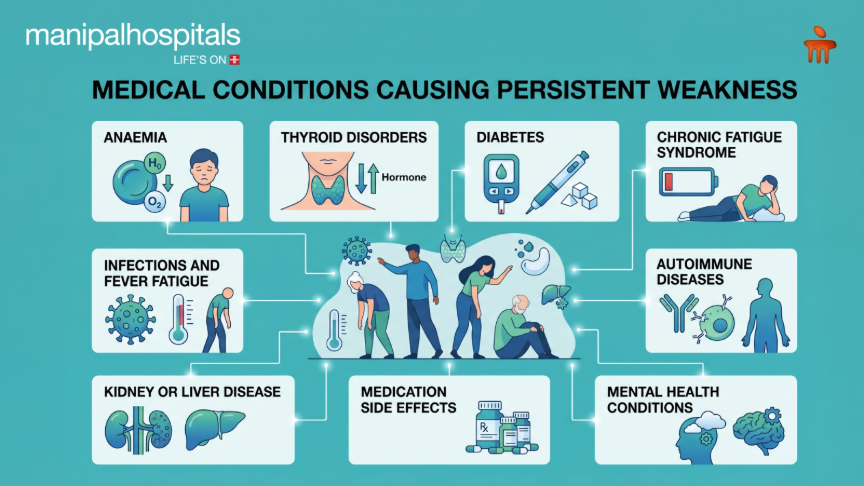
Often, chronic weakness is a symptom of an underlying health issue. Some of them include:
-
Anaemia: A common cause, where the blood lacks healthy red blood cells, leading to reduced oxygen delivery to tissues. Iron deficiency anaemia is especially a frequent cause of weakness in the body.
-
Thyroid Disorders: Both an underactive (hypothyroidism) and overactive (hyperthyroidism) thyroid can disrupt metabolism, causing fatigue, muscle weakness, and other pervasive body weakness symptoms.
-
Diabetes: Uncontrolled blood sugar levels can lead to fatigue, muscle weakness, and nerve damage, manifesting as body weakness symptoms.
-
Heart Conditions: Conditions like congestive heart failure can reduce the heart's ability to pump blood effectively, causing fatigue and weakness, especially during exertion.
-
Chronic Fatigue Syndrome (CFS/ME): A complex disorder characterised by extreme fatigue that isn't improved by rest and can worsen with physical or mental activity. It often includes muscle weakness and other symptoms.
-
Infections and Post-Viral Fatigue: Common infections (e.g., flu, mononucleosis, COVID-19) can cause significant weakness. Post-viral fatigue can linger for weeks or months after the infection clears, contributing to ongoing body weakness symptoms.
-
Neuromuscular Conditions: Diseases affecting the nervous system (e.g., multiple sclerosis, Parkinson's disease) or muscles (myasthenia gravis or myositis) can cause progressive or sudden weakness in the whole body, impacting muscle control and strength.
-
Autoimmune Diseases: Conditions like lupus or rheumatoid arthritis can cause inflammation, pain, and profound fatigue and weakness.
-
Kidney or Liver Disease: Impaired organ function can lead to a buildup of toxins and electrolyte imbalances, contributing to generalised weakness. However, this happens only in advanced stages.
-
Medication Side Effects: Certain medications, including some blood pressure drugs, antihistamines, and sedatives, can list fatigue or weakness as a side effect.
-
Mental Health Conditions: Conditions like depression and anxiety can manifest physically as persistent fatigue, lack of energy, and generalised weakness, making it difficult to perform daily tasks. Addressing these often overlooked causes is crucial for holistic body weakness treatment.
-
Obstructive Sleep Apnea: Low oxygen during sleep can present as day time weakness or fatigue.
Body Weakness Symptoms
While occasional tiredness is normal, persistent body weakness symptoms that interfere with your daily life warrant medical attention. Pay close attention to:
-
Duration: If weakness lasts for more than a few weeks.
-
Severity: If it's so severe that you can't perform basic activities.
-
Sudden Onset: Experiencing sudden weakness in the whole body, especially on one side, or accompanied by numbness, vision changes, or difficulty speaking, is a medical emergency requiring immediate attention.
-
Accompanying Symptoms: Fever, unexplained weight loss, shortness of breath, severe headaches, dizziness, fainting, headaches, vomiting or loss of balance alongside weakness are red flags.
-
Worsening Weakness: If your weakness is progressively getting worse over time.
Body Weakness Treatment Options
Our specialists will conduct a thorough evaluation to identify the root cause of your b>body weakness symptoms:
-
Detailed Medical History and Physical Examination: We'll discuss your symptoms, lifestyle, medications, and medical background.
-
Blood Tests: These may include complete blood count (CBC) to check for anaemia, thyroid function tests, blood sugar levels for diabetes, electrolyte panels, kidney and liver function tests, and vitamin level checks (e.g., Vitamin D, B12).
-
Further Investigations: Depending on initial findings, imaging (MRI, CT scans), nerve conduction studies, or cardiology evaluations may be recommended, particularly if sudden weakness in the whole body is a concern.
Tailored Treatment Plans
Once the underlying weakness in the body is identified, our team will craft a personalised body weakness treatment plan:
-
Addressing Underlying Conditions: Treating the specific medical condition (e.g., medication for thyroid disorder, iron supplements for anaemia, blood sugar management for diabetes) is paramount.
-
Nutritional Support: Dietary modifications, supplements, or dietary counselling to ensure you're getting adequate nutrients.
-
Physical Therapy: For muscle strengthening, improving endurance, and mobility, especially when weakness has led to deconditioning. This is a key component of how to remove weakness from the body.
-
Lifestyle Modifications: Guidance on improving sleep hygiene, stress management techniques (e.g., mindfulness, yoga), and incorporating regular, appropriate physical activity.
-
Mental Health Support: If depression or anxiety are contributing factors, counselling or therapy may be recommended.
Care Essentials: Do's and Don'ts
While awaiting diagnosis or as part of your overall body weakness treatment, certain self-care practices can help manage your body weakness symptoms:
Do:
-
Prioritise Sleep: Aim for 7-9 hours of quality sleep per night.
-
Eat a Balanced Diet: Focus on whole foods, lean proteins, fruits, and vegetables.
-
Stay Hydrated: Drink plenty of water throughout the day.
-
Engage in Gentle Exercise: Even short walks can help maintain muscle tone and energy.
-
Manage Stress: Practice relaxation techniques like meditation or deep breathing.
-
Listen to Your Body: Rest when you need to, and avoid overexertion.
-
Reduce Screen Time: Lowering your phone usage can reduce blue light exposure, helping you sleep better and reducing weakness.
Don't:
-
Self-Diagnose: Avoid guessing the cause of your weakness; seek professional medical advice.
-
Ignore Persistent Symptoms: Don't dismiss prolonged weakness as just being tired.
-
Over-Caffeinate: While it provides a temporary boost, relying heavily on caffeine can disrupt sleep and lead to energy crashes.
-
Skip Meals: Irregular eating can lead to blood sugar fluctuations and energy dips.
-
Push Through Severe Weakness: If you experience sudden weakness in the whole body or feel unusually unwell, seek immediate medical attention.
Conclusion
Feeling tired once in a while is normal due to physical or mental overexertion. However, constantly feeling tired necessitates medical attention, as it may help you understand what is causing your weakness. If you are experiencing persistent symptoms of body weakness and are seeking expert care, our specialists at the Department of Internal Medicine at Manipal Hospitals, Goa, are ready to help. They will help you find the exact causes and provide the necessary treatment for your symptoms.
FAQ's
Common symptoms include a feeling of reduced physical strength, difficulty performing tasks that were once easy, muscle fatigue, lack of endurance, and an overall sense of being "drained."
Yes, chronic stress can significantly contribute to physical weakness by depleting energy reserves and affecting sleep and immune function.
If you experience sudden weakness, especially if it's on one side of your body, accompanied by numbness, difficulty speaking, confusion, or vision changes, seek immediate emergency medical attention, as it could indicate a serious condition like a stroke.
The timeline for improvement varies widely depending on the underlying cause. Some conditions respond quickly to treatment (e.g., anaemia with supplements), while others, like chronic fatigue syndrome, may require ongoing management and take longer to show significant improvement.
While there's no single "anti-weakness" diet, a balanced diet rich in whole grains, lean proteins, fruits, vegetables, and healthy fats, ensuring adequate intake of iron, Vitamin B12, and Vitamin D, is crucial for maintaining energy and strength.
Share this article on: