6 Min Read
Parkinson's disease is a progressive neurological disorder that affects movement. When most people think of Parkinson’s disease, they picture motor symptoms like tremors. Yet, the first symptoms of Parkinson’s disease are often subtle, appearing years before motor issues. Recognising Parkinson’s disease symptoms early is crucial for timely diagnosis and management, to significantly impact quality of life.
Synopsis
Understanding Parkinson's Disease
Parkinson's disease is marked by the degeneration of dopamine-producing neurons, essential for movement, mood, and motivation. Although knowing Parkinson’s disease causes, symptoms, and treatment is vital for managing this debilitating condition, exact information is still subject to ongoing research. The roles played by factors like genetics and environment have already been recognised. Early intervention is vital for managing Parkinson's disease symptoms and enhancing well-being. This blog elaborates on the same.
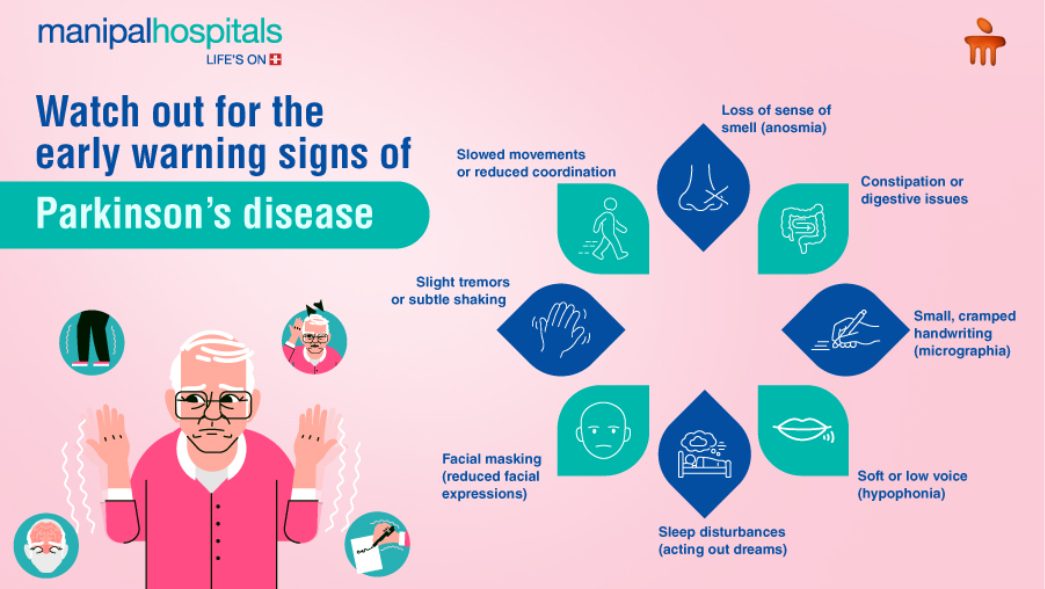
Early non-motor Parkinson's disease symptoms
Often, the Parkinson's disease symptoms that appear first are typically non-motor, meaning they don't directly affect your movement. As such, these are easily overlooked. But these symptoms are indeed critical, as they can precede motor symptoms by 5-10 years. These include:
-
Loss of smell (Anosmia)- A significant reduction or complete loss of smell (unrelated to a cold)
-
Sleep disturbances (REM Sleep Behaviour Disorder- RBD)- In this, a person acts out their dreams physically during sleep; 40-50% of individuals with RBD eventually develop Parkinson's
-
Constipation- Chronic constipation unexplained by diet can be a common non-motor symptom
-
Mood disorders (depression, anxiety)- Persistent emotions like sadness or excessive worry often predate motor signs
Early motor Parkinson's disease symptoms
The motor symptoms, often developing gradually after initial non-motor signs, may be subtle in the beginning and may easily be overlooked. Recognising these early motor features is crucial, as timely diagnosis and intervention can help manage symptoms effectively and improve quality of life. These signs are hallmarks but often appear after non-motor signs.
-
Tremor- Rhythmic shaking, usually in a limb, often at rest (known as ‘pill-rolling’ tremor)
-
Bradykinesia (slowness of movement)- Difficulty with simple tasks; a shuffling gait or reduced arm swing
-
Rigidity- Stiffness of limbs and trunk, limiting motion and causing pain (called ‘cogwheel’ rigidity)
-
Postural instability- Impaired balance leading to falls (typically appears later)
Why early detection matters?
Recognising the signs and symptoms of Parkinson's disease at an early stage is crucial for better long-term outcomes. Early detection allows for timely medical intervention, including medications, physiotherapy, and lifestyle modifications that can effectively slow symptom progression and improve daily functioning. It also enables individuals and their families to plan ahead, access supportive care, and adopt strategies that enhance independence and overall quality of life.
Care guidelines
Managing symptoms effectively begins with the right approach to care and timely medical guidance. Following simple yet important care guidelines can help in early identification, better monitoring, and improved management of Parkinson's disease. These steps also empower individuals to take an active role in maintaining their health and overall well-being:
-
Consult a neurologist for persistent, combined symptoms
-
Keep a symptom journal.
-
Prioritise regular physical activity and a balanced diet
-
Do not self-diagnose or ignore unexplained symptoms
-
Do not hesitate to seek a second opinion if you are experiencing the above-mentioned symptoms
Conclusion
Early recognition and timely intervention can make a meaningful difference in managing Parkinson's disease and preserving quality of life. With the right medical support, individuals can better manage symptoms and maintain independence for longer. Manipal Hospitals Dhakuria offers comprehensive, patient-centric care through experienced neurologists and advanced treatment approaches. If you notice early symptoms, do not delay seeking medical advice- book an appointment today for expert evaluation and personalised care.
FAQ's
The earliest signs often include non-motor symptoms like loss of smell, sleep disturbances (RBD), constipation, and mood changes (depression/anxiety), appearing years before motor symptoms.
While there is no cure, various medications, therapies, and lifestyle modifications can effectively manage Parkinson’s disease symptoms, improving motor control and non-motor issues, enhancing quality of life.
Most cases are sporadic, meaning they occur without a known family history. However, about 10-15% of cases have a genetic link, especially in early-onset Parkinson's.
Diagnosis is primarily clinical, based on a neurological examination and assessment of signs and symptoms of Parkinson’s disease symptoms. Imaging tests like DaTscan can support diagnosis but are not definitive.
Parkinson's tremor is typically a ‘resting tremor’ (occurs when the hand is at rest), while essential tremor is an ‘action tremor’ (occurs during movement, like writing or eating).
Share this article on: