7 Min Read
Have you ever noticed a minor headache, muscle twitch, or stomach discomfort and immediately feared it could be a sign of a serious illness? While occasional health concerns are normal, persistent and excessive worry about having a severe medical condition may indicate illness anxiety disorder. At times, this condition can significantly affect daily life, relationships, emotional wellbeing, and overall quality of life. If you find yourself constantly seeking reassurance about your health, our neurologists in Delhi-NCR can help determine whether your symptoms are related to a neurological condition or a health anxiety disorder.
Synopsis
- What Is Illness Anxiety Disorder?
- Symptoms of Anxiety Disorder Related to Health Concerns
- Physical Symptoms of Anxiety That Can Trigger Health Fears
- What Causes Illness Anxiety Disorder?
- Illnesses Caused by Stress and Anxiety: Understanding the Connection
- How Illness Anxiety Disorder Affects Daily Life
- Diagnosis of Illness Anxiety Disorder
- CBT (Communication Therapy) for Health Anxiety
- Additional Treatment Options for Illness Anxiety Disorder
- When Should You Seek Professional Help?
- Take Control of Health Anxiety Before It Controls You
What Is Illness Anxiety Disorder?
Illness anxiety disorder is a mental health condition characterised by an intense fear of having or developing a serious illness despite little or no medical evidence supporting that concern. Previously referred to as hypochondriasis, illness anxiety disorder causes individuals to misinterpret normal bodily sensations or minor symptoms as signs of a severe disease.
People living with illness anxiety disorder often spend considerable time monitoring their bodies, researching symptoms online, requesting repeated medical tests, or seeking reassurance from healthcare professionals and loved ones. Unfortunately, reassurance usually provides only temporary relief before the anxiety returns.
Symptoms of Anxiety Disorder Related to Health Concerns
The symptoms of anxiety disorder associated with illness anxiety disorder can vary from person to person. Common signs include:
-
Constant fear of having a serious disease
-
Excessive attention to bodily sensations
-
Repeated checking for signs of illness
-
Frequent doctor visits despite normal test results
-
Avoiding medical appointments due to fear of receiving bad news
-
Excessive internet searches about diseases and symptoms
-
Difficulty concentrating on work or personal responsibilities
-
Persistent need for reassurance from family or healthcare providers
-
Increased stress when hearing about illnesses affecting others
Many individuals with illness anxiety disorder remain convinced that something is seriously wrong even after multiple medical evaluations show no significant health problem.
Physical Symptoms of Anxiety That Can Trigger Health Fears
One of the biggest challenges with illness anxiety disorder is that anxiety itself can create genuine bodily sensations.
Common physical symptoms of anxiety include:
-
Rapid heartbeat
-
Chest tightness
-
Dizziness
-
Sweating
-
Muscle tension
-
Trembling
-
Stomach discomfort
-
Headaches
These sensations are real, but they are often linked to anxiety rather than a serious underlying disease. Unfortunately, individuals with illness anxiety disorder may interpret these symptoms as evidence of a life-threatening condition, creating a cycle of fear and further anxiety.
What Causes Illness Anxiety Disorder?
There is no single cause of illness anxiety disorder, but several factors may contribute to its development.
-
Previous Medical Experiences - Experiencing a serious illness personally or witnessing a loved one suffer from a medical condition can increase health-related fears.
-
Family Influences - Growing up in a household where health concerns were frequently discussed may contribute to excessive health anxiety later in life.
-
High Sensitivity to Body Sensations - Some individuals are naturally more aware of bodily changes and may interpret normal sensations as signs of disease.
-
Chronic Stress - Stress can amplify physical sensations and increase the likelihood of catastrophic thinking.
Illnesses Caused by Stress and Anxiety: Understanding the Connection
While anxiety does not directly cause most diseases, prolonged stress can contribute to various health problems. Discussions about illnesses caused by stress and anxiety often include conditions such as:
-
Digestive disorders
-
Sleep disturbances
-
Chronic headaches
-
Weakened immune response
-
Muscle pain and tension
Chronic stress can worsen existing health conditions and increase the frequency of anxiety-related symptoms. This is why addressing illness anxiety disorder early is essential for both mental and physical wellbeing.
How Illness Anxiety Disorder Affects Daily Life
Without proper treatment, illness anxiety disorder can become overwhelming.
Many people experience:
-
Reduced work productivity
-
Relationship difficulties
-
Social withdrawal
-
Financial strain due to repeated medical consultations
-
Increased emotional distress
-
Depression and other anxiety disorders
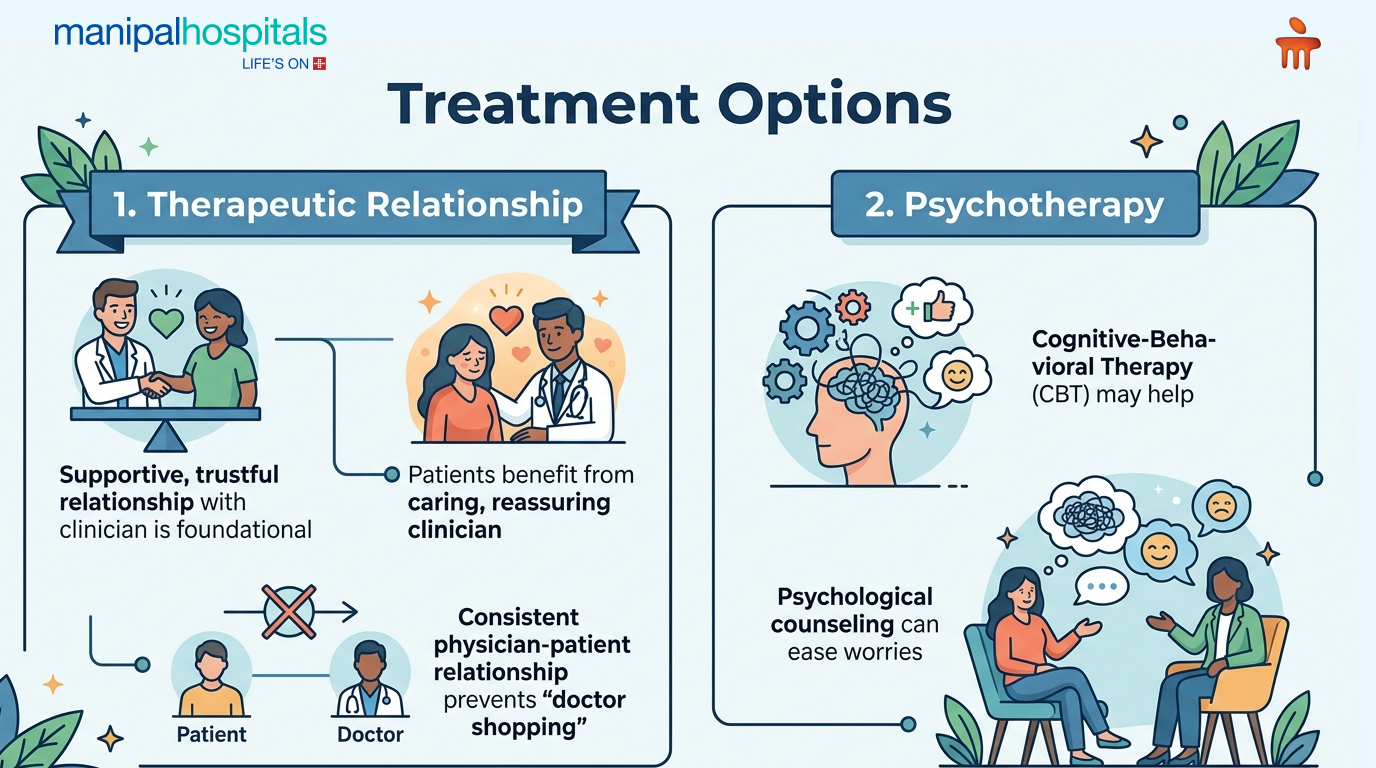
Some individuals become trapped in a cycle of doctor shopping, while others avoid healthcare entirely due to fear of receiving a diagnosis. Both patterns can negatively affect long-term wellbeing.
Diagnosis of Illness Anxiety Disorder
Diagnosing illness anxiety disorder typically involves ruling out underlying medical conditions and conducting a comprehensive psychological assessment.
Healthcare professionals evaluate:
-
Duration of health-related fears
-
Severity of anxiety
-
Impact on daily functioning
-
Behavioural patterns related to health concerns
-
Presence of other mental health conditions
Accurate diagnosis is important because many symptoms overlap with other anxiety-related disorders. If persistent neurological symptoms are present, our neurologists in Delhi-NCR may recommend further evaluation to exclude genuine neurological conditions before considering a diagnosis of illness anxiety disorder.
CBT (Communication Therapy) for Health Anxiety
One of the most effective treatments for illness anxiety disorder is CBT (cognitive behavioural therapy) for health anxiety, also known as Cognitive Behavioural Therapy.
CBT helps individuals:
-
Identify irrational health-related thoughts
-
Challenge catastrophic thinking patterns
-
Reduce compulsive symptom checking
-
Develop healthier coping mechanisms
-
Improve tolerance for uncertainty
-
Manage anxiety more effectively
Research consistently shows that CBT can significantly reduce symptoms and improve quality of life for people struggling with illness anxiety disorder.
Additional Treatment Options for Illness Anxiety Disorder
Treatment plans may also include:
Medication
In some cases, healthcare providers may prescribe antidepressants or anti-anxiety medications to help manage symptoms.
Stress Management Techniques
Relaxation strategies can reduce both emotional distress and physical symptoms of anxiety.
Helpful approaches include:
-
Mindfulness meditation
-
Deep breathing exercises
-
Progressive muscle relaxation
-
Regular physical activity
-
Healthy sleep habits
Consistent Medical Care
Working with a single trusted healthcare provider can help minimise unnecessary testing and reduce reassurance-seeking behaviours.
When Should You Seek Professional Help?
You should consider seeking help if:
-
Health worries interfere with daily life
-
Anxiety persists despite normal medical test results
-
You frequently search for disease symptoms online
-
Reassurance provides only temporary relief
-
You avoid activities because of health fears
Early intervention often leads to better outcomes. Our neurologists in Delhi-NCR work closely with mental health professionals to ensure comprehensive care when neurological concerns and health anxiety overlap. Additionally, our brain expert in Delhi-NCR can assess symptoms that may initially appear neurological but are actually linked to anxiety-related conditions.
Take Control of Health Anxiety Before It Controls You
Living with illness anxiety disorder can feel exhausting, but effective treatment is available. Understanding the connection between health anxiety, stress, and bodily sensations is the first step towards recovery. With professional support, evidence-based therapies, and appropriate lifestyle changes, it is possible to break the cycle of fear and regain confidence in your health.
If persistent health worries are affecting your quality of life, consult our neurologists in Delhi-NCR for a thorough evaluation and personalised guidance.
FAQ's
Illness anxiety disorder is a mental health condition characterised by excessive fear of having or developing a serious illness despite minimal or no medical evidence.
Common symptoms include constant worry about illness, repeated symptom checking, excessive doctor visits, reassurance seeking, and fear of serious diseases.
Yes. Anxiety can cause chest tightness, dizziness, headaches, fatigue, and rapid heartbeat, which may be mistaken for serious medical conditions.
Yes. CBT is considered one of the most effective treatments for illness anxiety disorder because it helps individuals change unhealthy thought patterns and behaviours.
Many people experience significant improvement with therapy, stress management, and appropriate medical support. Early diagnosis and treatment generally lead to better long-term outcomes.
Share this article on: