5 Min Read
Inside your digestive tract lives a powerful and complex system known as the gut microbiome. This invisible ecosystem consists of trillions of bacteria, fungi, and viruses that influence digestion, immunity, metabolism, and even mental well-being.
At Manipal Hospital Baner, specialists increasingly recognise that maintaining a healthy gut microbiome is central to long-term wellness. With rising cases of acidity, bloating, irritable bowel syndrome (IBS), and lifestyle-related metabolic disorders in urban India, understanding the importance of the gut microbiome has never been more relevant.
Synopsis
- What Is the Gut Microbiome and Why Is It Important?
- Common Causes of Gut Microbiome Imbalance
- Gut Health Treatment: Restoring Balance Naturally and Medically
- Postbiotics: The Future of Microbiome Therapy
- The Role of Diet in Strengthening the Gut Microbiome
- Gut-Brain Axis: How Your Gut Affects Your Mood
- Signs You May Need Gut Health Treatment
- Benefits of a Balanced Gut Microbiome
- Do’s and Don’ts for a Healthy Gut Microbiome
- Why Choose Manipal Hospital Baner for Gut Health Treatment?
- Conclusion
What Is the Gut Microbiome and Why Is It Important?
The gut microbiome refers to the collection of microorganisms living in your intestines. While the word “bacteria” often sounds harmful, many gut bacteria are beneficial and essential for survival.
A balanced gut microbiome helps to:
-
Break down complex food particles
-
Produce vitamins like B12 and Vitamin K
-
Strengthen the immune system
-
Regulate inflammation
-
Maintain a healthy gut lining
-
Communicate with the brain through the gut-brain axis
However, when this balance is disturbed, a condition known as dysbiosis — it can lead to digestive disorders, autoimmune diseases, obesity, diabetes, and mood disturbances.
Studies suggest that nearly 20% of adults experience chronic digestive discomfort, often linked to microbial imbalance.
Common Causes of Gut Microbiome Imbalance
Several modern lifestyle factors negatively affect the gut microbiome:
-
Excessive processed food consumption
-
High sugar intake
-
Frequent antibiotic use
-
Chronic stress
-
Poor sleep patterns
-
Sedentary lifestyle
If left unmanaged, these factors may weaken beneficial bacteria and allow harmful strains to dominate.
Gut Health Treatment: Restoring Balance Naturally and Medically
Effective gut health treatment in Baner focuses on restoring microbial diversity and strengthening beneficial bacteria. At Manipal Hospital Baner, treatment plans are personalised based on symptoms, medical history, and lifestyle patterns.
Probiotic Therapy
Probiotics are live beneficial microorganisms that improve the gut microbiome when taken in appropriate amounts.
Benefits include:
-
Improved digestion
-
Reduced bloating and gas
-
Prevention of antibiotic-associated diarrhoea
-
Strengthening of the intestinal barrier
-
Support for immune health
Clinical evidence shows probiotics may reduce antibiotic-related digestive disturbances by over 60% and improve IBS symptoms in many patients.
However, not all probiotics are the same. Different strains target different health conditions. Consulting a gastroenterologist in Baner, Pune ensures the right strain and dosage.
Prebiotics and Synbiotics
Prebiotics are fibres that act as food for beneficial bacteria. Synbiotics combine probiotics and prebiotics for enhanced effect.
Common prebiotic-rich foods include:
-
Oats
-
Garlic
-
Bananas
-
Lentils
-
Whole grains
These dietary fibres encourage a diverse and resilient gut microbiome.
Postbiotics: The Future of Microbiome Therapy
Postbiotics are beneficial compounds produced by bacteria, such as short-chain fatty acids (SCFAs). They reduce inflammation and strengthen gut lining without requiring live organisms.
Research into postbiotics represents the future of personalised gut health treatment.
The Role of Diet in Strengthening the Gut Microbiome
Diet remains the most powerful modulator of the gut microbiome.
Include These Foods:
-
High-fibre fruits and vegetables
-
Fermented foods like yoghurt, kefir, and kimchi
-
Whole grains and legumes
-
Nuts and seeds
-
Green tea and antioxidant-rich foods
Limit These Foods:
-
Processed snacks
-
Refined sugar
-
Artificial sweeteners
-
Excess red meat
-
Deep-fried foods
A fibre-rich diet increases microbial diversity, which is strongly associated with improved metabolic health.
Gut-Brain Axis: How Your Gut Affects Your Mood
The gut microbiome communicates directly with the brain through neural, hormonal, and immune pathways. This is known as the gut-brain axis.
An imbalanced gut microbiome may contribute to:
-
Mood swings
-
Brain fog
-
Poor stress tolerance
Chronic stress, in turn, disrupts gut bacteria — creating a vicious cycle. Stress management techniques like yoga, meditation, and adequate sleep are essential components of gut health treatment.
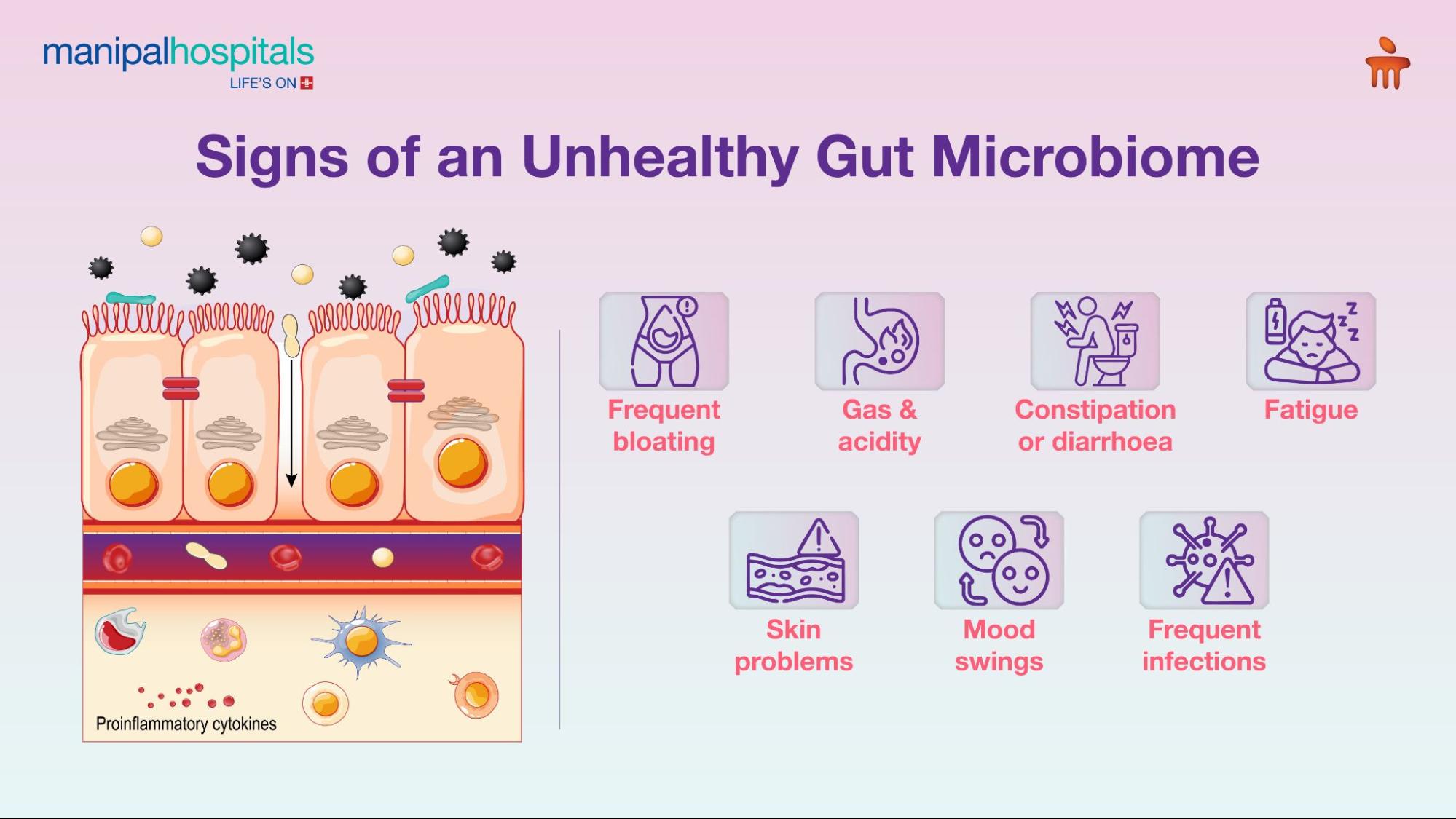
Signs You May Need Gut Health Treatment
Seek medical advice if you experience:
-
Persistent bloating
-
Frequent constipation or diarrhoea
-
Acid reflux
-
Unexplained fatigue
-
Skin issues like acne or eczema
-
Recurrent infections
-
Sudden weight changes
Ignoring these symptoms may allow microbial imbalance to worsen over time.
Benefits of a Balanced Gut Microbiome
A healthy gut microbiome contributes to:
-
Better Digestion - Improved bowel regularity and nutrient absorption.
-
Stronger Immunity - Up to 80% of immune cells are linked to gut-associated lymphoid tissue.
-
Reduced Inflammation - Lower systemic inflammation decreases chronic disease risk.
-
Improved Metabolic Health - Better blood sugar control and weight management.
-
Enhanced Mental Clarity - Improved mood stability and cognitive function.
Do’s and Don’ts for a Healthy Gut Microbiome
Do’s
-
Eat a plant-based, fibre-rich diet
-
Include fermented foods regularly
-
Stay physically active
-
Sleep 7–8 hours daily
-
Manage stress effectively
Consult specialists at Manipal Hospital Baner for persistent issues
Don’ts
-
Avoid self-prescribing antibiotics
-
Do not rely only on supplements
-
Avoid excessive sugar and junk food
-
Do not ignore chronic digestive discomfort
Why Choose Manipal Hospital Baner for Gut Health Treatment?
At Manipal Hospital Baner, patients receive comprehensive digestive care, including:
-
Expert gastroenterology consultations
-
Advanced diagnostic evaluations
-
Personalised probiotic therapy
-
Nutritional counselling
-
Integrated lifestyle management plans
Early intervention improves outcomes and prevents long-term complications.
Conclusion
Your gut microbiome influences far more than digestion; it shapes immunity, metabolism, and mental health. If you are experiencing persistent digestive discomfort, consult the experts for personalised gut health treatment in Baner.
Book an appointment at Manipal Hospital Baner today and take the first step towards restoring your internal ecosystem.
Disclaimer: This article is for informational purposes only and does not substitute professional medical advice. Please consult a qualified healthcare provider for diagnosis and treatment.
FAQ's
Improvements may begin within weeks, but a sustainable balance often takes 2–3 months of consistent dietary and lifestyle adjustments.
Generally safe for healthy individuals, but those with weakened immunity should consult a specialist before starting.
Yes, certain microbial patterns influence metabolism and fat storage.
Not always. Clinical evaluation is usually sufficient unless symptoms are severe or persistent.
Yes. Chronic stress disrupts microbial balance and increases gut permeability.
Share this article on: