7 Min Read
The first few weeks after a baby is born are filled with excitement, sleepless nights, and constant attention to every small change in your newborn’s behaviour. In this vulnerable period, even minor changes can cause a lot of worry for parents. One of the changes that doctors are most careful about is that of neonatal sepsis. It is a severe infection that can occur within the first month of a newborn baby’s life.
Neonatal sepsis is a serious but not uncommon condition in NICU settings. For parents, understanding neonatal sepsis symptoms, knowing the possible neonatal sepsis causes, and being aware of available neonatal sepsis treatment options can help ensure that a baby receives immediate medical attention if needed. This blog explains what neonatal sepsis is, how it develops, and what parents should watch for during the newborn stage.
Synopsis
What Is Neonatal Sepsis?
Neonatal sepsis is a severe infection that develops as a result of microorganisms (bacteria, viruses, and fungi) entering a baby’s bloodstream and spreading throughout its body. Most instances of neonatal sepsis are caused by bacteria. However, viruses or fungi can sometimes cause infections, particularly in premature babies or those receiving intensive medical care. Newborns have immature immune systems, so they are not well equipped to fight infection.
Doctors often classify neonatal sepsis into two primary categories according to the onset of the infection.
-
Early-onset neonatal sepsis: Happens within the first 72 hours after birth.
-
Late-onset neonatal sepsis: Happens within >72 hours to 28 days of birth.
Depending on the severity of the infection, it may infect various parts of the body, including the lungs, brain, and kidneys. If neonatal sepsis treatment is not provided at once, it may lead to serious problems.
Neonatal Sepsis Causes
The infection may have occurred during or even before birth in some cases, whereas in others, it may have occurred after birth because of exposure to the environment. Knowing the causes and factors of neonatal sepsis helps a doctor monitor a baby closely.
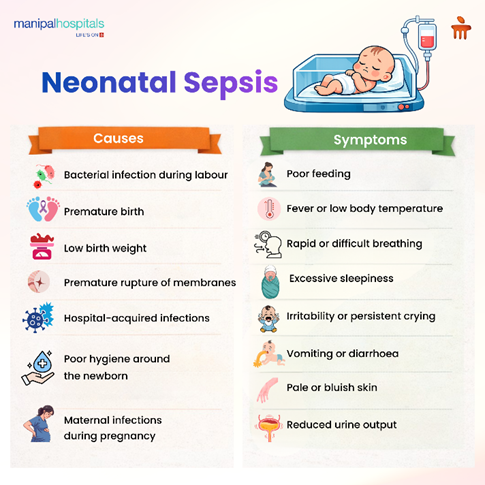
Common neonatal sepsis causes include:
-
Bacterial infections passed during labour
-
Premature rupture of membranes before delivery
-
Premature birth
-
Low birth weight
-
Infections acquired in hospital settings
-
Poor hygiene practices around the newborn
Early-onset sepsis usually develops within the first 72 hours after birth and is often linked to infections transmitted from the mother during pregnancy or delivery. Late-onset sepsis occurs after the first three days of life and may be associated with infections acquired from the environment or hospital setting. Some of the bacteria commonly associated with late-onset neonatal sepsis include coagulase-negative Staphylococcus, Staphylococcus aureus, Klebsiella, and Pseudomonas.
Understanding these risk factors helps doctors monitor newborns who may be more vulnerable to infection.
Neonatal Sepsis Symptoms
Recognising neonatal sepsis symptoms can be challenging because symptoms may initially appear subtle but can progress rapidly.
Parents and caregivers should watch for the following neonatal sepsis symptoms:
-
Poor feeding or difficulty breastfeeding
-
Fever or unusually low body temperature
-
Rapid breathing or breathing difficulties
-
Excessive sleepiness or lethargy
-
Vomiting or diarrhoea
-
Pale, bluish, or mottled skin colour
-
Irritability or persistent crying
-
Apnea
-
Jaundice
-
Abdominal distension
-
Unstable temperature
-
Reduced urine output
In some cases, neonatal sepsis symptoms may also include reduced movement, seizures, or poor circulation. If any unusual signs appear in a new-born, medical evaluation should be sought immediately.
How Neonatal Sepsis Is Diagnosed
Since the symptoms can look similar to other common health conditions in newborns, doctors rely on medical tests to confirm whether an infection is present.
Doctors perform a series of investigative tests to help identify the microorganisms responsible for the infection.
Some common ways to diagnose are:
-
Blood tests: to find bacteria and signs of infection
-
Blood cultures: to find out what kind of organism is causing the infection
-
Imaging: to find the presence of the infection
-
Tests of urine: to find urinary infections
-
Lumbar puncture: to check the cerebrospinal fluid when meningitis is suspected
Early diagnosis allows doctors to begin neonatal sepsis treatment quickly, improving the chances of recovery.
Neonatal Sepsis Treatment
Getting medical help right away is essential when dealing with neonatal sepsis. When doctors think someone has an infection, they usually start treatment right away, even before the lab results come back. Most babies with suspected neonatal sepsis are kept in the hospital so doctors can monitor them closely and begin treatment immediately.
Antibiotic Therapy
To get rid of a bacterial infection, doctors usually start giving antibiotics through an IV. The suspected organism is carefully chosen for these medications, and then they are changed based on lab results.
Supportive Care
Babies can also receive support with:
-
Help with breathing, if it is hard for them to breathe
-
Feeding, by providing them with fluid through an IV, so that they do not get dehydrated
-
Helping them maintain the ideal temperature for the body
Intensive Monitoring
Since the infection is fatal if not treated in time, newborn babies who are diagnosed with the infection are kept in special care units, known as NICU, and monitored by doctors and nurses.
Preventing Neonatal Sepsis
Not every case of neonatal sepsis can be avoided, but there are steps that can be taken to lower the risk of infection. Here are some ways to stop it:
-
Proper prenatal care and regular health check-ups during pregnancy
-
Screening mothers for Group B Streptococcus infection
-
Maintaining hygiene during delivery and newborn care
-
Early treatment of maternal infections
-
Breastfeeding to support the baby’s immune system
-
Implementing sufficient NICU infection control protocols
-
Strict hand-washing and sanitising requirements before touching the child
To keep newborns from getting infections in the hospital, hospitals also follow strict rules for controlling infections.
Caring for a Baby After Neonatal Sepsis
Babies who receive timely neonatal sepsis treatment often recover completely. However, parents may still have concerns about long-term health.
Doctors may suggest follow-up visits to keep an eye on the baby's growth and development. After the infection is treated, most babies grow normally without major developmental issues. Parents can further support recovery by:
-
Ensuring regular medical check-ups
-
Following vaccination schedules
-
Maintaining proper hygiene during feeding and care
-
Monitoring the baby’s feeding patterns and activity levels
Specialist centres offering neonatal sepsis treatment also provide follow-up care and developmental monitoring for infants recovering from such infections.
When Should Parents Seek Medical Help?
Parents should never ignore sudden changes in a newborn’s behaviour or health. Early medical attention can prevent complications and improve outcomes.
Seek medical advice immediately if your baby experiences:
-
Poor feeding or refusal to feed
-
Fever or unusually low temperature
-
Persistent vomiting
-
Unusual sleepiness or lack of movement
These warning signs may indicate neonatal sepsis symptoms or other serious conditions that require urgent evaluation.
Conclusion
The newborn stage is a critical time for a baby’s development, and infections can pose serious health risks if not recognised early. Neonatal sepsis is one such condition that requires immediate medical attention and specialised care.
Understanding neonatal sepsis causes, recognising neonatal sepsis symptoms, and seeking timely neonatal sepsis treatment can significantly improve recovery outcomes for newborn babies. Advances in neonatal medicine have made it possible to diagnose and treat infections effectively when detected early.
If you are seeking expert medical evaluation or neonatal sepsis treatment in Varthur Road, Bangalore, then you can consult the specialists at Manipal Hospital Varthur Road for comprehensive care and treatment.
FAQ's
Neonatal sepsis can occur in both premature and full-term babies, but premature infants have a higher risk because their immune systems are less developed.
Treatment duration depends on the severity of the infection and the organism involved, but many babies require antibiotics for about 7–14 days.
Most babies recover completely when treated early, but severe infections may sometimes lead to developmental or neurological complications.
In many cases, breastfeeding can continue during treatment, though doctors may adjust feeding methods depending on the baby’s condition.
Symptoms can worsen rapidly in newborns, which is why early medical evaluation is important if any concerning signs appear.
Share this article on: