8 Min Read
Blood is a silent but essential participant in maintaining a smooth-running body. At every moment, it is at work supplying oxygen, nutrients, removing waste products, and assisting in the body’s fight against infection. When any part of this system is disrupted, the effects can be felt throughout the body. And these disruptions are what cause a blood disorder. Understanding how blood disorders form, what symptoms they produce, and what treatments are available can help individuals identify symptoms at an early stage and thus seek medical attention at an opportune time.
This blog article highlights various kinds of blood disorders, tests carried out to diagnose blood disorders, and treatments available to cure blood disorders using modern medicine.
Synopsis
What Are Blood Disorders?
Blood disorders describe various health complications that affect one or more components of blood. The blood system of an average human consists of various vital components:
-
Red blood cells: These cells transport oxygen from the lungs to other parts of the body.
-
White blood cells: These cells protect an individual from various infections.
-
Platelets: These cells help to clot blood during injuries.
-
Plasma: It is the fluid component of blood that transports other blood cells and proteins.
When any of these components malfunction, the body may experience symptoms such as fatigue, bleeding problems, infections, or poor circulation.
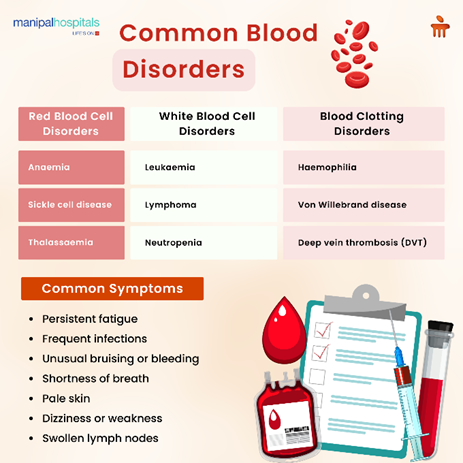
Blood disorders are generally classified into three main categories:
-
Red blood cell disorders
-
White blood cell disorders
-
Blood clotting disorder conditions affecting platelets or clotting factors
Early detection is still important for optimal management, even though each group has its own causes and ways to treat them.
Red Blood Cell Disorders
Red blood cells are responsible for transporting oxygen from the lungs to tissues throughout the body. When the number of these cells drops, or their structure becomes abnormal, the body's organs may not receive enough oxygen to function properly. This condition can reduce oxygen delivery to tissues and lead to symptoms such as fatigue, weakness, and breathlessness. Common red blood cell disorders include:
Anaemia
Anaemia occurs when the body has fewer red blood cells than normal or when these cells contain insufficient haemoglobin. It may result from deficiencies in the bone marrow, blood loss, or the destruction of red blood cells. This type of condition makes it harder for tissues to get oxygen.
Typical causes include:
-
Iron deficiency
-
Vitamin B12 or folate deficiency
-
Chronic illnesses
-
Genetic conditions
Some common signs are being tired, having pale skin, having trouble breathing, and feeling dizzy.
Sickle Cell Disease
This genetic condition makes red blood cells crescent-shaped instead of round. These abnormally shaped cells can block small blood vessels and disrupt blood flow, which can hurt and damage organs as a result.
Thalassaemia
Thalassaemia is another inherited disorder affecting haemoglobin production. It is particularly common in certain populations and can cause severe anaemia.
Many such red blood cell disorders require regular monitoring to prevent complications and manage symptoms effectively.
White Blood Cell Disorders
The immune system needs white blood cells to protect the body from viruses, bacteria, and other harmful organisms. When the number or function of these cells changes, people may get sick more often or have problems with their immune system.
Some of the most recognised white blood cell disorders include:
Leukaemia
Leukaemia is a cancer of the blood and bone marrow that causes abnormal white blood cell production. These abnormal cells multiply rapidly in the bone marrow, hindering the production of healthy platelets, red blood cells, and white blood cells
Lymphoma
Lymphoma is a cancer of lymphocytes, a type of white blood cell found in the lymphatic system. It can affect lymph nodes, the spleen, bone marrow, and other tissues.
Neutropenia
Neutropenia is characterised by a decrease in the number of neutrophils, white blood cells that help to combat infections from bacteria. People with white blood cell disorders may experience frequent infections, fever, fatigue, or swollen lymph nodes.
Blood Clotting Disorders
Blood clotting is an important process that prevents excessive bleeding when an injury occurs. However, problems with clotting factors or platelets can result in abnormal bleeding or dangerous clot formation. These conditions are commonly referred to as blood clotting disorder conditions.
Haemophilia
Haemophilia is an inherited disorder in which the blood lacks certain clotting proteins. In this case, even minor injuries may lead to prolonged bleeding.
Von Willebrand Disease
This is one of the most common inherited blood clotting disorder conditions. It occurs when the body lacks a protein necessary for proper clot formation.
Deep Vein Thrombosis (DVT)
In contrast to excessive bleeding disorders, some conditions cause abnormal clot formation. One such condition is DVT, which may occur due to underlying clotting disorders or conditions that increase blood clotting tendency.
Patients diagnosed with a blood-clotting disorder often require specialised care and long-term monitoring.
Common Symptoms of Blood Disorders
Depending on which part of the blood is affected, the symptoms of blood disorders can be different. However, some signs of trouble may show up in more than one condition.
Common symptoms include:
-
Persistent fatigue or weakness
-
Unusual bruising or bleeding
-
Frequent infections
-
Pale skin or dizziness
-
Swollen lymph nodes
If people know these signs early on, they can get medical help sooner.
Diagnosis of Blood Disorders
To find blood disorders and figure out how bad they are, doctors use a number of tests. Normal investigations might include:
-
Complete blood count (CBC) to measure red and white blood cells and platelets
-
Blood smear tests to examine cell shape and structure
-
Bone marrow examination when a more detailed analysis is required
-
Genetic tests for inherited disorders
Accurate diagnosis helps doctors identify whether the problem involves red blood cell disorders, white blood cell disorders, or a blood clotting disorder.
Treatment Options for Blood Disorders
Treatment for blood disorders depends on the underlying cause and severity of the condition.
Some common treatment approaches include:
-
Medications: Doctors may administer a patient's medicine to make more blood cells, lower inflammation, or stop clots from forming.
-
Nutritional Therapy: Certain red blood cell disorders, such as iron deficiency anaemia, can improve with dietary changes and supplements.
-
Blood Transfusion: More severe cases may require patients to undergo blood transfusion to restore normal blood cell counts.
-
Specialised Therapies: Patients diagnosed with abnormal clotting may need to undergo specialised treatment.
Preventing Blood Disorders
There are many disorders that cannot be prevented, especially if they are hereditary. However, some lifestyle changes can help control some of the risk factors, thus reducing the chances of contracting some of these diseases.
Preventive measures include:
-
Following a healthy diet rich in iron and vitamins
-
Having regular check-ups and blood counts
-
Not smoking or drinking in excess
-
Taking care of long-term illnesses such as diabetes or kidney disease
-
Seeking medical help when you notice any unusual symptoms
One of the most effective ways to prevent problems that are a result of blood disorders is to detect them early.
When to Seek Specialist Advice
Medical evaluation is recommended if symptoms suggest possible blood abnormalities.
Consult a healthcare professional if you experience:
-
Persistent fatigue or unexplained weakness
-
Recurrent infections
-
Frequent bruising or bleeding
-
Swelling in lymph nodes
-
Sudden changes in energy levels
In the case of such clotting issues, it is ideal to seek expert care promptly from specialised haematology services.
Conclusion
Blood is essential for life because it carries oxygen, helps the immune system, and helps blood clot properly when you get hurt. When this delicate system is disturbed, it can lead to various issues collectively referred to as blood disorders. These may involve abnormalities in red blood cells, white blood cells, or clotting factors. Recognising the symptoms of red blood cell disorders, white blood cell disorders, and blood clotting disorders allows for early diagnosis and timely medical care. With advances in diagnostic testing and treatment, many blood disorders can now be effectively managed, enabling patients to lead healthier lives.
If you are experiencing symptoms or require specialised blood clotting disorder treatment in Varthur Road, Bangalore, then consult the experts at Manipal Hospitals, Varthur Road for comprehensive diagnosis and personalised treatment.
FAQ's
No. While some blood disorders, such as sickle cell disease or haemophilia, are genetic, many others develop due to nutritional deficiencies, infections, chronic diseases, or immune system problems.
Yes. Some blood disorders are diagnosed during childhood, particularly inherited conditions like thalassemia or sickle cell disease. Others may develop later in life.
Routine blood tests, such as a complete blood count, can detect many blood disorders. However, additional tests may be required to confirm a diagnosis.
Certain conditions, particularly clotting disorders or cancers affecting the blood, can increase the risk of abnormal blood clot formation.
Not always. Some conditions, such as nutritional anaemia, may improve with treatment. Others may require long-term monitoring and ongoing medical care.
Share this article on: