6 Min Read
Liver cancer was once seen mainly in older adults. Doctors are now identifying it more often in younger people, both in India and across the world. Hepatitis infections, obesity, fatty liver disease, and metabolic problems are key reasons for this shift, and individuals in their 20s and 30s are increasingly affected.
Awareness of the causes and early changes in liver health helps people seek care sooner. This article explains why liver cancer is rising in young adults, notes the rare but important occurrence in children, and stresses the need for timely medical evaluation and appropriate treatment.
Synopsis
Why Are Liver Cancers Increasing in Young Adults?
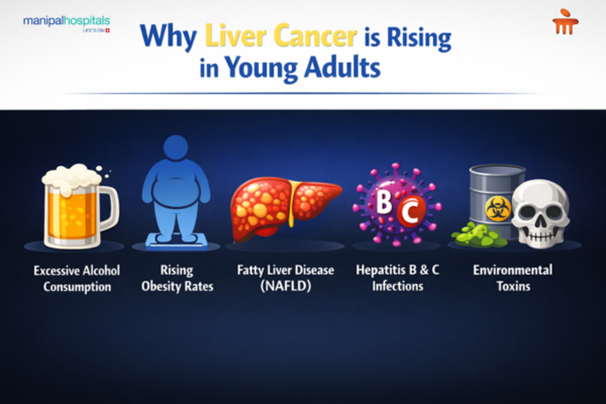
Doctors are diagnosing liver cancer more frequently in younger adults. Several factors contribute to this trend. Higher alcohol consumption, increasing obesity, non-alcoholic fatty liver disease (NAFLD), chronic hepatitis B and C infections, and environmental exposures significantly raise risk.
In many patients, long-standing liver injury drives cancer development. Persistent inflammation progresses to fibrosis and cirrhosis, creating an environment that promotes malignant transformation. Among younger individuals, untreated viral hepatitis and metabolic liver disease play particularly important roles.
Recognising these risks and identifying symptoms early is crucial because liver cancer often remains unnoticed until it reaches an advanced stage.
What Causes Liver Cancer?
Liver cancer most often develops in individuals with chronic liver disease or prolonged liver injury. Continuous inflammation and scarring damage healthy cells and increase the likelihood of malignancy. change. Important causes and contributing factors include:
-
Chronic hepatitis B and hepatitis C infections remain the leading drivers of liver cancer worldwide.
-
Long-term alcohol consumption can result in progressive liver damage and cirrhosis.
-
Non-alcoholic fatty liver disease (NAFLD) is increasingly common in people with obesity, diabetes, and metabolic syndrome, particularly affecting younger adults.
-
Cirrhosis from any cause, as severely scarred liver tissue carries a high cancer risk.
-
Exposure to environmental toxins, such as aflatoxins found in contaminated grains or food products, is a significant contributing factor.
-
Inherited metabolic and genetic liver disorders, which may predispose individuals to tumour development.
Early identification and management of these conditions allow doctors to monitor patients closely and, in many cases, reduce the risk of progression to cancer.
Signs and Symptoms of Liver Cancer
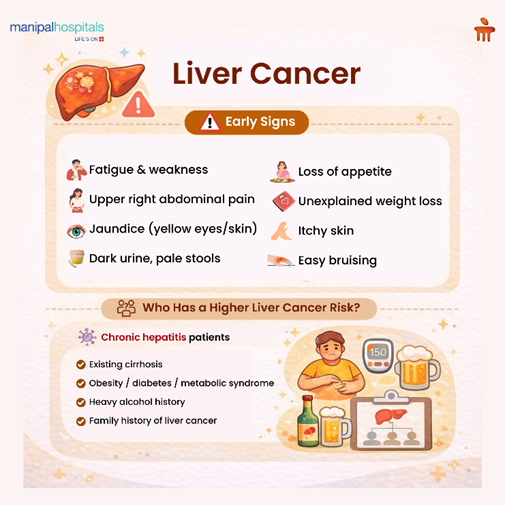
Recognising the signs and symptoms of liver cancer supports timely medical evaluation. Clinical features may include:
|
Symptom/Sign |
How It Appears |
Why It Happens |
|
Pain in the upper right abdomen |
Persistent or sharp pain below the ribs |
Tumour growth or swelling of the liver. |
|
Belly inflammation |
Noticeable bloating or fluid buildup (ascites) |
Liver damage causes fluid retention. |
|
Jaundice |
Yellowing of eyes and skin, dark urine |
The liver cannot process bilirubin properly. |
|
Nausea & vomiting |
Feeling sick, loss of appetite, frequent vomiting |
Poor digestion and problems with toxin removal. |
|
Tiredness & weakness |
Constant fatigue, low energy even after rest |
Reduced liver function. |
|
Unexplained weight loss |
Sudden drop in weight without dieting |
Cancer cells use up the body’s energy and nutrients. |
|
Loss of appetite |
Reduced interest in food, early satiety |
Poor metabolism and digestion. |
|
Itchy skin |
Persistent itching without rash |
Excess bile salts in the bloodstream. |
|
Easy bruising/bleeding |
Nosebleeds, gum bleeding, or bruises from minor bumps |
The liver makes fewer clotting proteins. |
Who Is at Risk of Liver Cancer?
Certain individuals carry a higher likelihood of developing liver cancer because of underlying medical conditions or long-term liver injury. Identifying these groups helps doctors plan surveillance and early intervention. People at increased risk include:
-
Individuals living with chronic hepatitis B or hepatitis C infection
-
Patients who already have cirrhosis, irrespective of the cause
-
Those with a history of significant alcohol use
-
People with obesity, diabetes, or metabolic syndrome, especially when fatty liver disease is present
-
Individuals with a family history of liver cancer
Doctors advise regular follow-up and liver monitoring for high-risk patients, as structured surveillance improves the chances of detecting disease at an earlier and more treatable stage.
Diagnosis and Early Detection of Liver Cancer
Early detection plays a key role in improving outcomes in liver cancer. When patients present with suspicious symptoms or belong to high-risk categories, doctors use a combination of laboratory tests and imaging studies to evaluate the liver. Assessment may include:
-
Blood tests to evaluate liver function
-
Alpha-fetoprotein (AFP) tumour markers, which may rise in certain liver cancers
-
Ultrasound, CT scans, or MRI to identify abnormal growths
-
Biopsy, when imaging findings require confirmation
Tests such as bilirubin levels help clinicians understand how well the liver is functioning, while imaging determines the presence, size, and spread of tumours.
When Should You See a Specialist?
Early consultation with a gastroenterologist or hepatologist can make a significant difference, particularly for individuals who carry recognised risk factors for liver disease or notice persistent symptoms. Many liver conditions progress quietly, and specialist assessment helps detect problems before complications develop. Consult our expert surgical gastroenterologists at Manipal Hospitals to discuss your liver health today.
You should arrange a medical evaluation if you experience any of the following:
-
Ongoing fatigue or reduced stamina without a clear explanation
-
Yellowing of the skin or eyes, dark urine, or pale stools
-
A known history of hepatitis B, hepatitis C, or fatty liver disease
-
Previous or existing cirrhosis
-
A family history of liver cancer
-
Unintentional weight loss, abdominal discomfort, or swelling
-
Repeatedly abnormal liver blood test results
A specialist can determine whether further imaging, surveillance, or treatment is required. Seeking advice early often widens the range of available options and improves outcomes.
Conclusion
People are starting to think differently about cancer as an old person's disease. People can take steps to protect their liver health by learning what causes liver cancer, how to spot early signs of liver problems, and what the symptoms and causes of liver cancer are. The Department of Gastroenterology & Hepatology at Manipal Hospitals Sarjapur Road, Bangalore, offers advanced diagnostics, preventive screening, and full liver cancer management for people of all ages, even children and young adults with liver cancer.
FAQ's
Obesity, fatty liver disease, drinking too much alcohol, and not treating hepatitis infections are all lifestyle factors that make liver cancer more likely in younger people.
The most common causes of liver cancer include chronic liver injury due to hepatitis B or C infection, prolonged alcohol misuse, fatty liver disease, and cirrhosis arising from sustained inflammation.
Early signs of liver problems may include fatigue, jaundice, abdominal discomfort, nausea, reduced appetite, dark urine, pale stools, itching, swelling, and unexplained weight loss, requiring prompt medical evaluation.
Blood tests, imaging, tumour markers, and sometimes a biopsy are all things that doctors use. A bilirubin test is a normal part of checking how well the liver is working in Sarjapur Road, Bangalore.
A multidisciplinary team of hepatologists and oncologists at Manipal Hospitals Sarjapur Road in Bangalore provides comprehensive liver cancer treatment, delivering coordinated, patient-centred care using advanced diagnostics and therapies.
Share this article on: