6 Min Read
Children grow fast, their appetites change, and small health problems are often shrugged off as part of growing up. The main point of this article is to help you spot when common signs may mean something more serious, and to give simple, practical steps you can take right away. Early recognition makes a big difference. Knowing the typical signs, the main causes, and clear management tips lets you act quickly, keep your child safe and work with your doctor to build a plan that fits your family. This piece describes how to recognise diabetes in children, how doctors confirm a diagnosis and what you can do at home and in the clinic to manage the condition confidently.
Synopsis
What Is Diabetes in Children?
When someone has diabetes, their body cannot control blood sugar in the usual way. In children, the two most important kinds are type 1 diabetes in children and type 2 diabetes in children. Type 1 diabetes in children is an autoimmune condition in which the body makes little or no insulin. It often appears suddenly and can progress quickly. Type 2 diabetes in children is linked to insulin resistance and is becoming more common in young people, often in the context of obesity and sedentary lifestyles. Both types raise the risk of short-term complications and long-term organ damage if they are not managed
How Type 1 and Type 2 Diabetes Differ in Children
Type 1 diabetes can occur at any age but typically appears at younger ages and often presents with more dramatic symptoms, such as frequent urination, increased thirst, increased appetite, and sudden weight loss. Type 2 usually develops more slowly and may be linked to a family history of metabolic conditions, overweight, or low physical activity. Doctors treat both conditions seriously, but the immediate tests and treatment choices will differ.
Key Childhood Diabetes Symptoms to Look for.
Parents and caregivers spot many early clues before a diagnosis is made. The heading to remember is that symptoms are often subtle at first and may be mistaken for normal childhood changes. Watch for patterns and combinations of signs.
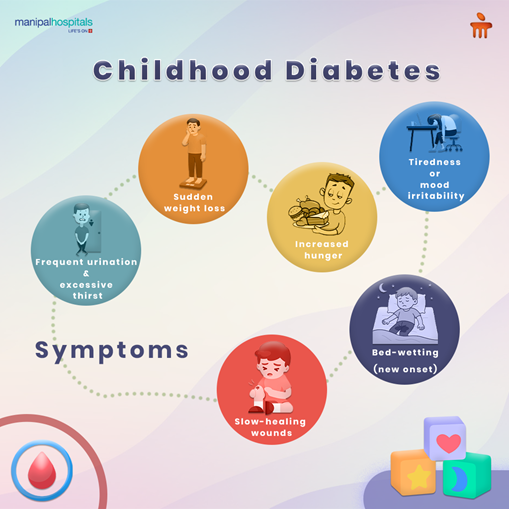
Common childhood diabetes symptoms include:
-
Frequent urination and excessive thirst, sometimes seen as needing more drinks and more bathroom trips.
-
Sudden weight loss despite increased appetite.
-
Increased hunger with tiredness or low energy.
-
New bed-wetting in a toilet-trained child.
-
Slow healing of cuts or recurrent infections.
-
Mood changes, irritability, or unexplained fatigue.
A child with type 1 diabetes in children may become very unwell over a short time, with nausea, vomiting, or fruity-smelling breath. These can be signs of diabetic ketoacidosis, a medical emergency. Type 2 diabetes in children can present with similar symptoms, but also with darkened areas of skin around the neck or armpits, called acanthosis nigricans. If you notice any of these signs, see your doctor for testing without delay.
Why Early Diagnosis Matters
Delays in diagnosis increase the risk of acute complications such as diabetic ketoacidosis, and longer delays worsen long-term risks to the heart, eyes, kidneys, and nerves. When doctors catch diabetes early, you and your child can start a clear treatment plan, learn self-care skills, and lower the chance of severe complications later on. Recent studies show that type 2 diabetes in children is rising globally, which makes awareness and screening more important than before.
How Diabetes Is Diagnosed
Doctors use simple blood tests to confirm diabetes. Common tests include:
-
Random blood glucose test, which checks blood sugar at the time of a clinic visit. High random glucose (>200 mg/dl) with symptoms is strongly suggestive of diabetes.
-
Fasting plasma glucose (>125 mg/dl) measured after an overnight fast.
-
Oral glucose tolerance test, which measures blood sugar two hours after a glucose drink.
-
Haemoglobin A1c, which estimates average blood sugar over the past three months.
An A1c of 6.5 percent or higher on two occasions, or a two-hour glucose of 200 mg per deciliter or more on an oral glucose tolerance test, are common criteria used to diagnose diabetes. Your child’s doctor will explain which tests are best based on symptoms and age.
What Causes Diabetes in Children
Causes vary by type and by child. Key drivers include
For type 1 diabetes in children, the immune system attacks insulin-producing cells in the pancreas. Genetics and environmental triggers play a role.
For type 2 diabetes in children, excess weight, low physical activity, and family history are important factors. Insulin resistance develops when the body needs more insulin than it can produce.
Other causes include certain medications or rare genetic and endocrine conditions.
Understanding the cause helps shape treatment. For example, children with type 1 diabetes in children will need insulin, while many children with type 2 diabetes in children benefit from lifestyle changes and sometimes medications.
Management Tips for Parents and Caregivers
Managing childhood diabetes is a team effort that includes your child, family, doctors, and often school staff. Practical steps help you build confidence.
Daily care and monitoring
-
Learn how to check blood glucose, interpret results, and record values. Frequent checks are important, especially early after diagnosis.
-
Know the signs of low blood sugar, such as sweating, shakiness, confusion, or drowsiness, and carry quick sugar sources like glucose tabs or juice.
-
If your child has type 1 diabetes in children, insulin will be required. Follow injection or pump instructions carefully, and keep emergency contact numbers handy.
-
Keep an action plan for sick days. Illness can change insulin needs and dehydration risk.
Diet and exercise
-
Aim for a balanced plate with vegetables, whole grains, lean protein, and healthy fats. This supports steady blood sugar and overall health.
-
Include fibre-rich fruits such as apples and berries, and whole grains such as oats. These slow sugar absorption and help stability.
-
Regular physical activity improves insulin sensitivity and mood. Encourage daily play and structured activity where possible.
-
Avoid excessive sugary drinks and processed snacks. These raise blood sugar and make control harder.
School and social life
-
Share a clear diabetes care plan with teachers, school nurses, and coaches, including what to do for low blood sugar.
-
Ensure snacks and medicines are accessible during school hours and on trips.
-
Educate the child in age-appropriate ways so they can gain independence when ready. Support and peer inclusion matter for well-being.
Medications and medical follow-up
-
Many children with type 2 diabetes in children will start with lifestyle changes but may need medicines, such as metformin, if glucose remains high.
-
Insulin is the mainstay for type 1 diabetes in children. Your diabetes team will help set doses and adjust them over time.
-
Regular follow-up to check growth, blood pressure, HbA1c, and screening for complications is essential. Your doctor will schedule eye and kidney checks at appropriate ages.
Conclusion
Spotting diabetes in children early protects your child from serious short-term problems and lowers long-term risks. Know the key childhood diabetes symptoms, understand the difference between type 1 diabetes in children and type 2 diabetes in children, and work closely with your doctor to build a practical care plan. With support, education, and routine follow-up, most children with diabetes thrive. For expert guidance, you can also consult our specialist paediatric endocrinologist. Visit Manipal Hospitals Sarjapur Road, to get personalised care for your child’s diabetes management.
FAQ's
Early signs include frequent urination, excessive thirst, sudden weight loss, increased hunger, tiredness, and new bed-wetting. If you see these signs, undergo a blood test promptly.
Treatment depends on the type. Type 1 diabetes in children requires insulin, blood glucose monitoring, and education. Type 2 diabetes in children often begins with diet and exercise, with medicines added if needed. Regular follow-up is essential.
You cannot prevent most cases of type 1 diabetes in children (however few medications are approved for prevention; we may see them in the future). For type 2 diabetes in children, maintaining a healthy weight, encouraging activity, and limiting sugary drinks can reduce risk. Early screening for at-risk children is important.
Type 1 diabetes in children can become severe within days or weeks and may lead to diabetic ketoacidosis. That is why prompt testing and treatment are critical if symptoms appear.
A paediatrician with diabetes expertise or a paediatric endocrinologist provides specialised care. Your child will also benefit from dietitian support, diabetes education, and school coordination.
Share this article on: