




 7 Min Read
Back pain has quietly become one of the most common health complaints today. From young professionals working long hours at a desk to older adults dealing with age-related spine issues, back pain affects people across all age groups. While many brush it off as “just strain” or “bad posture,” the truth is that back pain causes can range from simple lifestyle habits to serious spine conditions.
Understanding why your back hurts is the first step towards lasting relief. Let’s break down the most common back pain causes, from posture problems to spine-related conditions, and when it’s time to seek expert care.
Synopsis
Understanding Back Pain: Why It Happens
The back is a complex structure made up of bones (vertebrae), muscles, ligaments, nerves, and discs. When any of these components are strained, compressed, or damaged, pain follows. Sometimes the cause is obvious, like lifting something heavy the wrong way. Other times, back pain builds slowly and becomes chronic.
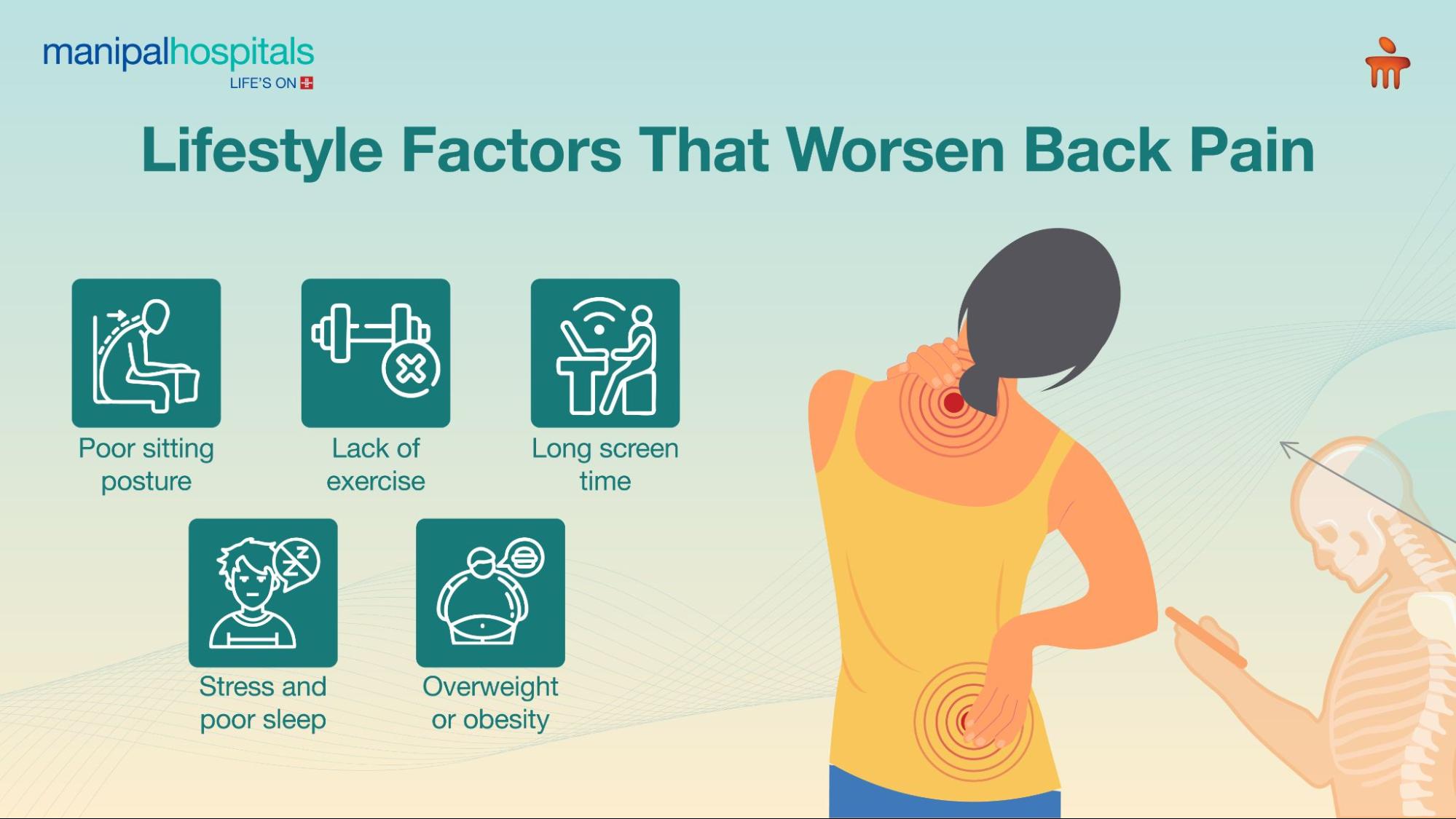
1. Poor Posture: A Silent but Common Culprit
Acknowledged as one of the most overlooked causes of back pain , poor posture affects millions.
How posture leads to back pain
-
Slouching while sitting or standing
-
Long hours bent over mobile phones or laptops
-
Incorrect sleeping positions
-
Lack of lumbar support
Over time, poor posture puts uneven pressure on the spine, leading to muscle fatigue and joint stress. This often results in posture-related back pain, especially in the lower and upper back.
Early signs
-
Stiffness after sitting for long periods
-
Dull aching pain between the shoulders
-
Lower back discomfort at the end of the day
Correcting posture early can prevent long-term spine problems.
2. Muscle Strain and Ligament Sprain
Sudden movements, lifting heavy objects, or overexertion can stretch or tear back muscles.
Common triggers
-
Improper lifting techniques
-
Sudden twisting movements
-
Lack of warm-up before exercise
-
Prolonged physical labour
Muscle strain is a frequent reason behind lower back pain causes, particularly among working adults and athletes.
Good news: Most muscle-related back pain improves with rest, physiotherapy, and posture correction.
3. Sedentary Lifestyle and Weak Core Muscles
Sitting all day doesn’t just harm posture—it weakens the muscles that support the spine.
Why inactivity causes back pain
-
Weak abdominal and back muscles
-
Reduced flexibility
-
Poor spinal support
When core muscles are weak, the spine bears more load, leading to recurring pain. This is a growing cause of chronic back pain in younger adults.
4. Disc Problems: Slipped or Herniated Discs
One of the more serious spine problems symptoms comes from disc issues.
What happens?
Intervertebral discs act as shock absorbers. When a disc bulges or ruptures:
-
Nerves may get compressed
-
Pain may radiate to the legs or arms
-
Numbness or tingling can occur
Warning sign
-
Sharp lower back pain
-
Pain travelling down one leg (sciatica)
-
Weakness in limbs
Disc problems often require expert evaluation, especially if symptoms persist.
5. Age-Related Spine Changes
As we age, natural wear and tear affects the spine.
Common age-related causes
-
Degenerative disc disease
-
Osteoarthritis of the spine
-
Spinal stiffness and reduced flexibility
These conditions are leading chronic back pain reasons among older adults. Pain may be constant or worsen with activity.
6. Spinal Alignment Issues and Deformities
Structural issues in the spine can also lead to long-term discomfort.
Examples include:
-
Scoliosis (curvature of the spine)
-
Kyphosis (rounded upper back)
-
Lordosis (excessive inward curve)
These conditions may start in adolescence or develop over time, causing muscle imbalance and pressure on nerves.
7. Obesity and Excess Body Weight
Extra body weight puts additional stress on the spine, especially the lower back.
How weight affects back pain
-
Increased spinal load
-
Faster disc degeneration
-
Poor posture compensation
Weight-related stress is a common but reversible lower back pain cause with lifestyle changes.
8. Stress and Mental Health Factors
Surprisingly, emotional stress plays a big role in back pain.
The mind–body connection
-
Stress causes muscle tension
-
Poor sleep increases pain sensitivity
-
Anxiety worsens pain perception
People under constant stress often experience unexplained or persistent back pain without visible injury.
9. Chronic Medical Conditions
Certain health conditions can present as back pain.
Examples
-
Osteoporosis
-
Infections of the spine
-
Kidney problems
-
Inflammatory arthritis
If back pain is accompanied by fever, unexplained weight loss, or night pain, medical attention is essential.
When Back Pain Becomes a Warning Sign
Seek medical help if you experience:
-
Back pain lasting more than 2–3 weeks
-
Pain with numbness or weakness
-
Difficulty walking or standing
-
Loss of bladder or bowel control
At Manipal Hospital ,experienced orthopaedic specialists in Pune and spine experts use advanced diagnostics to identify the exact cause and recommend personalised treatment plans.
How Back Pain Is Treated
Treatment depends on the underlying back pain, but may include:
-
Physiotherapy and posture correction
-
Pain management and medications
-
Lifestyle and ergonomic changes
-
Minimally invasive spine procedures (when required)
Early diagnosis often prevents surgery and long-term complications.
Preventing Back Pain: Simple Daily Habits
-
Maintain correct posture while sitting and standing
-
Take breaks during long sitting hours
-
Strengthen core muscles
-
Lift objects properly
-
Maintain a healthy body weight
Small changes go a long way in protecting your spine.
Back pain is not something to ignore or “live with.” Whether it’s posture-related back pain, muscle strain, or serious spine problems, understanding the root cause is key to recovery. With timely care and expert guidance from Manipal Hospital, most back pain conditions can be managed effectively—helping you move freely and live pain-free again.
Conclusion
This blog is for general health awareness only and does not replace professional medical advice. If you are experiencing persistent or severe back pain, consult a qualified healthcare professional.
FAQ's
Common back pain causes include poor posture, muscle strain, prolonged sitting, lack of exercise, and spine-related problems like slipped discs.
Lower back pain causes often involve incorrect lifting, weak core muscles, long sitting hours, obesity, or disc issues in the lumbar spine.
Yes, posture-related back pain develops when slouching or improper sitting puts continuous stress on the spine and back muscles.
Typical spine problems symptoms include radiating pain, numbness, tingling, muscle weakness, and difficulty walking or standing.
Consult a doctor if back pain lasts more than 2–3 weeks, keeps recurring, or affects daily activities.
Share this article on:


.webp "Nerve Pain: Causes, Symptoms, and Treatment Options")





