

-
Centre of
Excellence
Centre of Excellence
- Accident and Emergency Care
- Cancer Care/Oncology
- Cardiology
- Cardiothoracic Vascular Surgery
- Gastrointestinal Science
- Laparoscopic Surgery
- Liver Transplantation Surgery
- Nephrology
- Neurointervention & Endovascular Surgery
- Neurology
- Neurosurgery
- Obstetrics and Gynaecology
- Organ Transplant
- Orthopaedics
- Paediatric And Child Care
- Paediatric Nephrology
- Rheumatology
- Spine Care
- Urology
Other Specialities
- Allergy and Immunology
- Andrology
- Anesthesiology
- Bone Marrow Transplantation
- Children’s Airway & Swallowing Centre
- Clinical Psychology
- Dental Medicine
- Dermatology
- Diabetes and Endocrinology
- Ear Nose Throat
- Electrophysiology
- Fetal Medicine
- General Medicine
- General Surgery
- Genetics
- Geriatric Medicine
- GI Surgery
- Gynaec Oncology
- Hemato Oncology
- Hematology
- Hepatobiliary Surgery
- ICU and Critical Care
- Infectious Disease
- Internal Medicine
- Interventional Radiology
- Kidney Transplant
- Laboratory Medicine
- Lactation
- Medical Gastro
- Medical Oncology
- Microbiology
- Minimal Access Surgery
- Neonatology & NICU
- Nutrition And Dietetics
- Ophthalmology
- Oral Maxillo Facial Surgery
- Paediatric Cancer Care
- Paediatric Cardiology
- Paediatric Endocrinology
- Paediatric General Surgery
- Paediatric Intensive Care Unit
- Paediatric Neurology
- Paediatric Surgery
- Paediatric Urology
- Pain Medicine
- Parkinson Disease and Movement Disorder
- Pathology
- Pediatric Bone Marrow Transplant
- Pharmacy
- Physiotherapy
- Plastic And Cosmetic Surgery
- Podiatric Surgery
- Psychiatry
- Psychology
- Pulmonology (Respiratory and Sleep Medicine)
- Radiology
- Rehabilitation Medicine
- Renal Sciences
- Reproductive Medicine
- Robotic Assisted Surgery
- Surgical Gastro
- Surgical Oncology
- Transfusion Medicine
- Vascular and Endovascular Surgery
- Doctors
- Mukundapur
- International Patients


Clinics


 Search
- Self Registration
- Mars - Ambulance
- Corporate & PSU
- Insurance Helpdesk
- Awards And Achievements
- Careers
- Contact Us


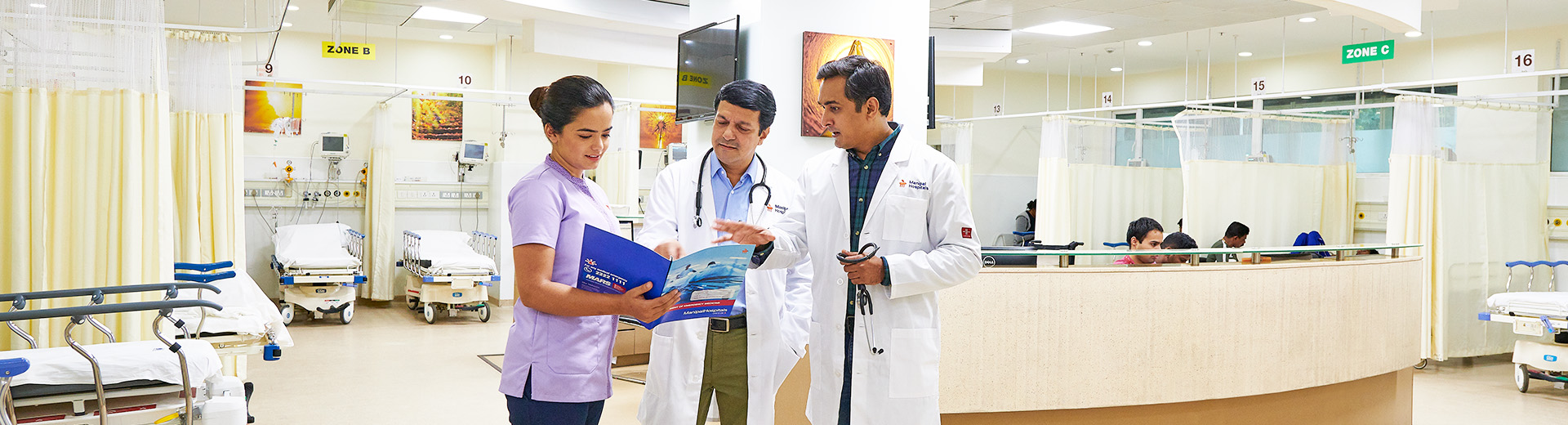
Transurethral Resection of the Prostate (TURP)
TURP Surgery in Mukundapur
Transurethral Resection of the Prostate (TURP) is a well-established and highly effective surgical procedure used to treat benign prostatic hyperplasia (BPH), a condition where the prostate gland enlarges and obstructs urine flow. It helps relieve urinary symptoms, improve bladder function, and significantly enhance quality of life.
Manipal Hospitals offers advanced Transurethral Resection of the Prostate (TURP) in Mukundapur, Kolkata, with expert urologists and comprehensive patient care throughout the treatment journey.
Why is Transurethral Resection of the Prostate (TURP) done?
This procedure is recommended to:
-
Treat moderate to severe urinary symptoms caused by enlarged prostate
-
Improve urine flow and reduce difficulty in emptying the bladder
-
Relieve symptoms such as frequent urination, weak stream, and urgency
-
Manage complications like urinary retention or recurrent infections
-
Enhance overall comfort and quality of life
If BPH is not treated in time, it can lead to complications such as worsening urinary symptoms, bladder damage, recurrent infections, kidney problems, and reduced quality of life. Timely intervention with TURP helps prevent these complications and restores normal urinary function.
What happens before Transurethral Resection of the Prostate?
Our urology team will prepare you for the procedure with:
-
Detailed evaluation including blood tests, urine tests, and imaging
-
Assessment of overall health and fitness for anaesthesia
-
Review of medical history and current medications
-
Instructions regarding fasting and medication adjustments
-
Pre-procedure counselling for the patient and family
What happens during Transurethral Resection of the Prostate?
Transurethral Resection of the Prostate (TURP) typically takes 60–90 minutes, depending on prostate size and complexity. At Manipal Hospitals Mukundapur, Kolkata, this procedure is performed under anaesthesia in the following manner:
-
A resectoscope is inserted through the urethra without any external incision
-
Excess prostate tissue blocking the urethra is identified
-
An electrical loop is used to cut and remove small pieces of the prostate
-
The removed tissue is flushed out to create a wider urinary passage
What happens after Transurethral Resection of the Prostate?
After TURP, patients are monitored in the hospital, and a catheter is usually placed temporarily to help drain urine and flush the bladder. Mild discomfort, burning during urination, or slight bleeding may occur initially. Most patients stay in the hospital for 1–3 days and gradually resume normal activities over a few weeks. Adequate hydration, medication adherence, and follow-up visits are essential for smooth recovery.
Benefits of Transurethral Resection of the Prostate
-
Significant improvement in urinary symptoms in over 85% of patients
-
Stronger urine flow and better bladder emptying
-
Long-lasting relief, often for many years
-
Improved sleep due to reduced nighttime urination
-
Minimally invasive with no external incision
Risks of Transurethral Resection of the Prostate
When performed by experienced specialists, risks are generally low. These risks may involve:
-
Bleeding or infection
-
Temporary difficulty in urination
-
Burning sensation during urination
-
Retrograde ejaculation
-
Rare risk of urinary incontinence or erectile issues
At Manipal Hospitals, expert urologists, advanced surgical techniques, and comprehensive care ensure safe procedures with excellent long-term outcomes for TURP.
FAQ's
You may need TURP if you have moderate to severe urinary symptoms due to an enlarged prostate that are not relieved by medications. It helps improve urine flow, relieve symptoms, and enhance overall quality of life.
Yes, TURP is considered a safe and standard procedure when performed by experienced urologists. At Manipal Hospitals, advanced technology and expert care ensure high safety and successful outcomes.
Most patients undergoing TURP typically require a hospital stay of about 1–3 days. The duration may vary depending on individual recovery, overall health, and how well the patient responds to the procedure and post-operative care.
TURP generally does not affect erectile function, and most men can maintain normal sexual activity. However, it may cause retrograde ejaculation, where semen flows backwards into the bladder. This is harmless but can impact fertility in some patients.
Most patients can resume light daily activities within 1–2 weeks after TURP. A full return to normal routines typically takes around 4–6 weeks, depending on individual recovery, overall health, and adherence to post-operative care instructions.
Home Mukundapur Specialities Urology Transurethral-resection-of-the-prostate

You’re on Our Indian Website
Visit the Global site for International patient services

Your Feedback is Highly Valued!
'Click' to chat with us
