

-
Centre of
Excellence
Centre of Excellence
- Accident and Emergency Care
- Cancer Care/Oncology
- Cardiology
- Cardiothoracic Vascular Surgery
- Gastrointestinal Science
- Laparoscopic Surgery
- Liver Transplantation Surgery
- Nephrology
- Neurointervention & Endovascular Surgery
- Neurology
- Neurosurgery
- Obstetrics and Gynaecology
- Organ Transplant
- Orthopaedics
- Paediatric And Child Care
- Paediatric Nephrology
- Rheumatology
- Spine Care
- Urology
Other Specialities
- Allergy and Immunology
- Andrology
- Anesthesiology
- Bone Marrow Transplantation
- Children’s Airway & Swallowing Centre
- Clinical Psychology
- Dental Medicine
- Dermatology
- Diabetes and Endocrinology
- Ear Nose Throat
- Electrophysiology
- Fetal Medicine
- General Medicine
- General Surgery
- Genetics
- Geriatric Medicine
- GI Surgery
- Gynaec Oncology
- Hemato Oncology
- Hematology
- Hepatobiliary Surgery
- ICU and Critical Care
- Infectious Disease
- Internal Medicine
- Interventional Radiology
- Kidney Transplant
- Laboratory Medicine
- Lactation
- Medical Gastro
- Medical Oncology
- Microbiology
- Minimal Access Surgery
- Neonatology & NICU
- Nutrition And Dietetics
- Ophthalmology
- Oral Maxillo Facial Surgery
- Paediatric Cancer Care
- Paediatric Cardiology
- Paediatric Endocrinology
- Paediatric General Surgery
- Paediatric Intensive Care Unit
- Paediatric Neurology
- Paediatric Surgery
- Paediatric Urology
- Pain Medicine
- Parkinson Disease and Movement Disorder
- Pathology
- Pediatric Bone Marrow Transplant
- Pharmacy
- Physiotherapy
- Plastic And Cosmetic Surgery
- Podiatric Surgery
- Psychiatry
- Psychology
- Pulmonology (Respiratory and Sleep Medicine)
- Radiology
- Rehabilitation Medicine
- Renal Sciences
- Reproductive Medicine
- Robotic Assisted Surgery
- Surgical Gastro
- Surgical Oncology
- Transfusion Medicine
- Vascular and Endovascular Surgery
- Doctors
- Mukundapur
-

Bengaluru

-
-

Bhubaneswar
-
Bhubaneswar
-
-

Delhi - NCR
-

Goa
-
Goa
-
-

Jaipur
-

Kolkata
-

Mangaluru
-

Mysuru
-

Patiala
-

Pune
-

Ranchi
-

Salem
-

Siliguri City
-

Vijayawada
- International Patients


Clinics
 Search
- Self Registration
- Mars - Ambulance
- Corporate & PSU
- Insurance Helpdesk
- Awards And Achievements
- Careers
- Contact Us


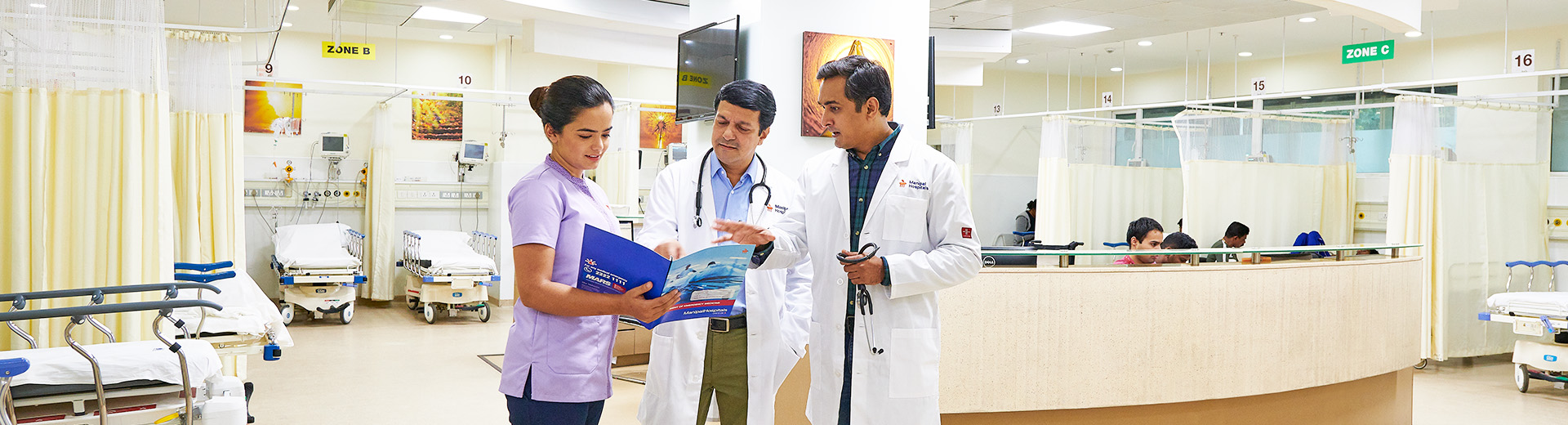
Robotic Management of Choledochal Cyst
Robotic Management of Choledochal Cyst in Mukundapur
Robotic Management of Choledochal Cyst is an advanced minimally invasive surgical procedure performed to treat choledochal cysts, which are rare congenital abnormalities characterised by abnormal dilatation of the bile ducts. If left untreated, choledochal cysts can lead to recurrent infections, pancreatitis, liver damage, bile duct obstruction, and an increased risk of bile duct cancer. Robotic-assisted surgery enables precise cyst removal and biliary reconstruction with enhanced safety, reduced trauma, and faster recovery.
Manipal Hospitals offers advanced Robotic Management of Choledochal Cyst in Mukundapur, Kolkata, with experienced hepatobiliary surgeons, state-of-the-art robotic technology, and comprehensive multidisciplinary care, ensuring excellent surgical outcomes and long-term biliary health.
Why is Robotic Management of Choledochal Cyst done?
This procedure is recommended to:
-
Remove choledochal cysts and prevent future complications
-
Treat recurrent abdominal pain, jaundice, and bile duct infections
-
Prevent pancreatitis associated with bile duct abnormalities
-
Reduce the risk of malignant transformation within the cyst
-
Restore normal bile flow from the liver to the intestine
-
Prevent progressive liver damage and biliary obstruction
Timely surgical management is essential, as untreated choledochal cysts can lead to serious complications, including recurrent infections, chronic inflammation, liver disease, and an increased risk of bile duct cancer.
What happens before Robotic Management of Choledochal Cyst?
Our team prepares patients with:
-
Detailed clinical evaluation and physical examination
-
Blood tests including liver function assessment
-
Ultrasound examination of the abdomen
-
Advanced imaging studies such as MRI/MRCP or CT scan
-
Assessment of bile duct anatomy and associated abnormalities
-
Review of medical history and current medications
-
Fitness evaluation for anaesthesia
-
Pre-operative counselling regarding the procedure and recovery
-
Instructions regarding fasting and medication adjustments before surgery
What happens during Robotic Management of Choledochal Cyst?
Robotic Management of Choledochal Cyst is performed under general anaesthesia and involves:
-
Creation of a few small abdominal incisions
-
Insertion of robotic surgical instruments and a high-definition 3D camera
-
Careful identification and complete excision of the choledochal cyst
-
Reconstruction of the biliary drainage pathway, typically through a Roux-en-Y hepaticojejunostomy
-
Verification of adequate bile flow and surgical integrity
-
Closure of the small incisions
The procedure is performed by highly skilled surgeons using robotic technology that provides superior visualisation, enhanced dexterity, and exceptional precision for complex hepatobiliary surgery.
What happens after Robotic Management of Choledochal Cyst?
Following surgery, patients are monitored closely in the recovery area and surgical ward. Recovery includes pain management, fluid and nutritional support, wound care, and gradual return to normal activities. Most patients are discharged within 3–5 days after surgery, depending on their overall condition and recovery progress. Regular follow-up visits are scheduled to monitor healing and long-term biliary function.
Benefits of Robotic Management of Choledochal Cyst
-
Minimally invasive approach with smaller incisions
-
Enhanced surgical precision and visualisation
-
Complete and accurate cyst removal
-
Reduced post-operative pain and discomfort
-
Minimal blood loss during surgery
-
Lower risk of wound-related complications
-
Reduced hospital stay
-
Faster recovery and return to daily activities
-
Minimal scarring and improved cosmetic outcomes
-
Excellent long-term outcomes with reduced risk of recurrence and complications
Risks of Robotic Management of Choledochal Cyst
Robotic Management of Choledochal Cyst is generally safe when performed by experienced hepatobiliary surgeons. Possible risks include:
-
Bleeding
-
Infection
-
Adverse reactions to anaesthesia
-
Bile leakage
-
Narrowing of the reconstructed bile duct connection
-
Injury to surrounding organs or structures
-
Delayed healing or wound-related complications
At Manipal Hospitals, advanced robotic technology, specialised surgical expertise, and multidisciplinary care help minimise risks and ensure optimal patient outcomes.
FAQ's
This procedure is recommended to remove the abnormal bile duct cyst, prevent recurrent infections and pancreatitis, restore normal bile flow, and reduce the long-term risk of liver damage and bile duct cancer.
Yes, it is a safe and effective procedure when performed by experienced surgeons. Robotic technology offers enhanced precision, improved visualisation, and greater control, contributing to excellent surgical outcomes and faster recovery.
Most patients are discharged within 3–5 days after surgery, depending on their recovery and overall health status. The minimally invasive approach often allows for quicker recovery compared to traditional open surgery.
Most patients can resume routine daily activities within 2–4 weeks, although complete recovery may vary depending on individual health factors and the complexity of the procedure.
The primary treatment for choledochal cysts is surgical removal. Depending on the patient's condition, surgery may be performed using robotic, laparoscopic, or open techniques. Your surgeon will recommend the most appropriate approach based on your specific diagnosis and overall health.
Home Mukundapur Specialities Paediatric-and-child-care Robotic-management-of-choledochal-cyst



You’re on Our Indian Website
Visit the Global site for International patient services

Your Feedback is Highly Valued!
'Click' to chat with us
