8 Min Read
"Cancer" is a word that often brings fear, but it's not the single disease many imagine it to be. In fact, there are over a hundred different types, each with its own behaviour, triggers, and treatment paths. Some grow slowly and remain in place. Others spread fast and need aggressive action right away. The good news is that oncology has changed enormously recently. We've moved far beyond the days when chemotherapy and radiation were the only real options. Today, precision medicine allows doctors to target specific genetic changes inside cancer cells. Early detection methods keep getting better, and managing side effects is no longer an afterthought; it's a core part of care.
This blog aims to provide a clear, informative look at the different cancer types, the factors that lead to their development, and the innovative options available today. By understanding the science behind the condition and the importance of early cancer detection, patients and their families can move forward with a sense of clarity and empowerment.
Synopsis
- What is Cancer?
- Exploring the Diversity of Cancer Types
- Investigating the Roots: Common Cancer Causes
- Common Symptoms of Cancer
- Navigating the Cancer Diagnosis Process
- The Evolution of Modern Cancer Treatments
- Proactive Steps: Early Detection and Prevention
- Managing the Journey: Cancer Side Effects
- Conclusion
What is Cancer?
At its core, cancer is a disease of uncontrolled cell growth. In a healthy body, cells grow, divide, and die in an orderly way. This balance keeps tissues working properly. But when changes happen in a cell’s genetic material, that cell may invade nearby tissues and spread to other parts of the body.
Over time, these abnormal cells can build up and form a tumour. Some tumours are benign, which means they are not cancerous and don’t spread. Others are malignant, meaning they can invade nearby tissues and sometimes travel to other parts of the body through the blood or lymphatic system. Understanding this process is the first step toward understanding how cancer develops and how it can be treated.
Exploring the Diversity of Cancer Types
Because the body is composed of many different tissues, there is a wide range of cancer types that can occur. Specialists usually categorise them based on the type of cell where the condition first begins.
|
Carcinomas |
These are the most common varieties and begin in the epithelial tissues that cover the inside and outside surfaces of the body. This category includes skin, lung, breast, head and neck, and colon cancers. |
|
Sarcomas |
These develop in the supportive or connective tissues, such as the bones, cartilage, fat, muscle, or blood vessels. |
|
Leukaemias |
Unlike many other forms, leukaemia does not usually form solid tumours. Instead, it begins in the blood-forming tissue of the bone marrow and results in the production of abnormal blood cells. |
|
Lymphomas and Myelomas |
These start in the cells of the immune system. Lymphoma affects the lymphatic system, while myeloma begins in the plasma cells, which are a specific type of white blood cell. |
Investigating the Roots: Common Cancer Causes
A common question people ask after a diagnosis is why it happened. While it is not always possible to pinpoint a single reason, researchers have identified several primary cancer causes that increase the risk of cellular mutations.
-
Genetic Factors: Some people inherit genetic mutations from their parents that make them more susceptible to certain conditions. However, it is important to note that only a small percentage of cases are purely hereditary.
-
Lifestyle Choices: Habits such as tobacco use, excessive alcohol consumption, and a diet high in processed foods are well-documented cancer causes. These behaviours can introduce toxins into the body that damage cellular DNA over time.
-
Environmental Exposures: Long-term exposure to certain chemicals, radiation, or even intense ultraviolet light from the sun can trigger the changes that lead to the disease.
-
Biological Factors: Age is a significant factor, as the body's ability to repair DNA damage decreases over time. Certain viral infections like HPV or hormonal imbalances can create an environment where abnormal cells are more likely to thrive.
Common Symptoms of Cancer
Cancer symptoms can differ depending on the type, but some general warning signs of cancer include:
-
Persistent fatigue
-
Changes in skin or moles
-
Chronic cough or difficulty swallowing
-
Unusual bleeding or discharge
Navigating the Cancer Diagnosis Process
When a doctor suspects an underlying health issue, they follow a structured cancer diagnosis process to confirm the presence of abnormal cells and determine the extent of the condition. This process is highly detailed and often involves multiple steps to ensure accuracy. with evaluation often guided by a leading medical oncologist on Kanakapura Road. The table below outlines the common tools used during this diagnostic phase:
|
Test Category |
Purpose of the Test |
Includes |
|
Imaging Studies |
To visualise the internal structures of the body |
CT scans, MRI, ultrasound, and PET scans |
|
Laboratory Tests |
To check for markers in blood, urine, or other fluids |
Complete Blood Count (CBC), Tumour marker tests |
|
Biopsy |
To obtain a tissue sample for microscopic examination |
Needle biopsy, Surgical biopsy, Endoscopy |
|
Genomic Testing |
To identify specific genetic mutations in the tumour |
Next-generation sequencing, PCR |
The Evolution of Modern Cancer Treatments
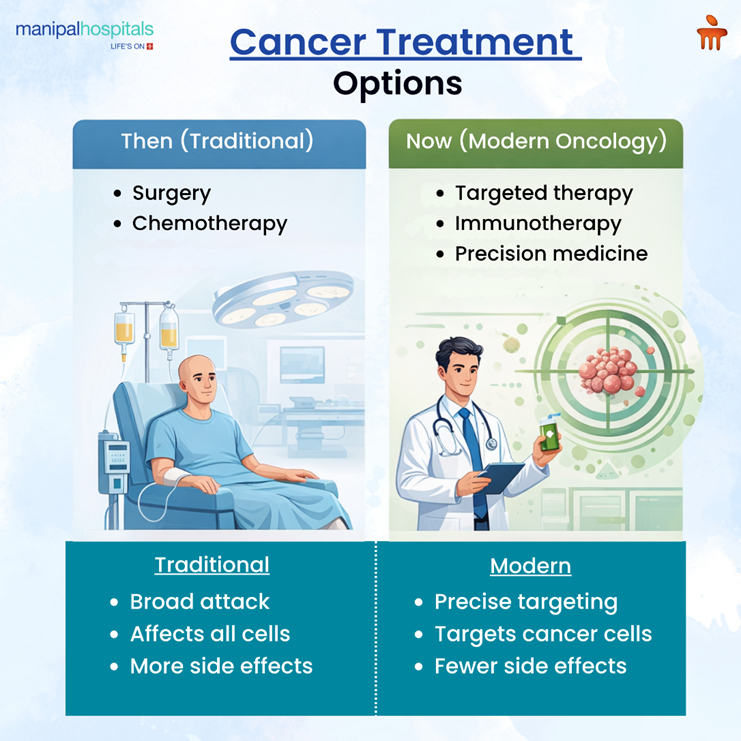
In the past, medical options were often limited to surgery and generalised chemotherapy. Today, modern cancer treatments are far more diverse and targeted. The goal of these therapies is to remove or destroy abnormal cells while minimising damage to the surrounding healthy tissue.
-
Immunotherapy: This approach uses medications to help the patient's own immune system recognise and attack the cancer. It has become a cornerstone of care for many advanced conditions.
-
Targeted Therapy: These drugs are designed to interfere with specific molecules that are necessary for tumour growth and progression, rather than killing all fast-growing cells.
-
Surgical Interventions: Surgeons use advanced techniques, including robotic-assisted surgery, to remove tumours with extreme precision.
-
Radiation Therapy: High-energy beams are used to target specific areas of the body to destroy the DNA of malignant cells, preventing them from dividing.
These modern cancer treatments have significantly improved survival rates and allowed many patients to maintain a better quality of life during their care.
Proactive Steps: Early Detection and Prevention
While treatments are advancing, the most effective way to manage health is through early cancer detection. When doctors find a condition in its initial stages, they can often treat it much more easily and significantly increase the chance of curing it. For expert consultation with trusted cancer care doctors in Kanakapura Road, visit Manipal Hospitals Kanakapura Road.
-
Regular Screenings: Tests such as mammograms, colonoscopies, and Pap smears are designed to find changes before any symptoms even appear.
-
Symptom Awareness: Paying attention to persistent changes in the body, such as new lumps, unusual bleeding, or unexplained weight loss, is essential for early cancer detection.
-
Genetic Counselling: For individuals with a strong family history, genetic testing can identify risks early, allowing for more frequent monitoring.
In addition to screening, following simple cancer prevention tips can lower your overall risk. This includes maintaining a healthy weight, staying active, protecting your skin from the sun, and avoiding tobacco products. Integrating these cancer prevention tips into your lifestyle is one of the most powerful ways to protect your long-term health.
Managing the Journey: Cancer Side Effects
It is important to be candid: therapy can be hard on the body. Modern oncology isn't just about killing the disease; it is about supporting the person through the process. Managing cancer side effects is now a specialised part of medical care.
Common cancer side effects and how they are managed include:
-
Nausea and Appetite Loss: Specialised medications and nutritional counselling can help you maintain your strength.
-
Fatigue: Gentle, doctor-approved exercise and pacing your daily activities can help reduce the heavy feeling of exhaustion.
-
Pain Management: We now have a wide range of options, from medication to physical therapy, to ensure you are comfortable.
-
Emotional Stress: Counselling and support groups are vital for managing the mental health cancer side effects that come with the diagnosis.
By staying ahead of these cancer side effects, you can stay on your treatment schedule and maintain a better quality of life.
Conclusion
The world of oncology is no longer defined by a lack of options. With the rise of precision medicine for cancer and the development of sophisticated diagnostic tools, we have more ways than ever to address these conditions effectively. While the journey is challenging, the combination of advanced technology and compassionate, supportive care is helping more people live longer, healthier lives after a diagnosis. For advanced evaluation and expert care, visit a leading cancer hospital in Kanakapura Road today at Manipal Hospitals.
FAQ's
While cancer is caused by genetic mutations within cells, most of these mutations happen during a person’s lifetime due to age, lifestyle, or environment. Only about 5% to 10% of cases are linked to inherited gene mutations passed down through families.
Yes. Research suggests that a significant portion of cases could be prevented by following basic cancer prevention tips, such as avoiding tobacco, eating a balanced diet, and staying physically active. These choices reduce the biological stress on your cells.
Chemotherapy uses chemicals to kill all fast-growing cells in the body, which can include healthy cells like those in your hair and gut. Immunotherapy is one of the modern cancer treatments that specifically train your own immune system to identify and destroy only the abnormal cells.
Screening schedules depend on your age, gender, and family history. It is best to discuss your individual risk factors with your doctor to determine when you should begin the cancer diagnosis process for routine check-ups.
Always communicate openly with your medical team. There are many effective ways of managing cancer side effects, including medication adjustments and lifestyle changes, that can make you much more comfortable during your treatment.
Share this article on:


.webp "Precision in the OR: How Robotic Surgery is Changing Cancer Care")