5 Min Read
Almost everyone deals with bloating at some point. It usually shows up as a tight, full, or swollen feeling in your belly, often right after you finish a meal. It might seem like just a small annoyance, but it can really affect your comfort, appetite, and daily routine. Bloating varies from person to person. You might notice it only once in a while, while others deal with it as a regular, frustrating part of their day. Because the intensity varies so much, it can be hard to identify what triggers it or how to find lasting relief.
This blog helps you recognise bloating symptoms and understand practical ways to deal with them. It brings together simple lifestyle adjustments that can help you learn how to avoid bloating and reduce it naturally over time, without relying on quick fixes.
Synopsis
What is Bloating?
Bloating is not a condition on its own but more of a signal from your body. It usually means that your digestive system is not working as smoothly as it should at that moment.
In most cases, bloating is linked to gas. This can happen when too much gas is produced during digestion or when it does not move easily through the gut. Even a small amount of gas can feel uncomfortable for some people, depending on how sensitive their digestive system is.
Bloating is usually a sign of how your gut manages digestion, its sensitivity, and your daily eating patterns. Since it’s so personal, there is no single quick fix. It’s about paying attention to your habits and learning exactly how your body reacts to the food you eat, meal timings, and routines.
Common Bloating Symptoms
The signs are usually easy to recognise, though not always easy to explain.
-
A feeling of fullness that comes on quickly
-
The abdomen appears slightly swollen
-
Frequent burping or passing gas
-
Mild cramps that come and go
-
Discomfort after what seemed like a normal meal
Not everyone experiences all of these. Some notice only one or two. Still, these bloating symptoms tend to follow a pattern, and that pattern often holds the clue to what is causing them.
Causes of Bloating
There is rarely just one reason. More often, it is a mix of factors working together.
-
Eating Habits - Rapid eating is a frequent yet neglected reason for flatulence. It causes an intake of air during food consumption.
-
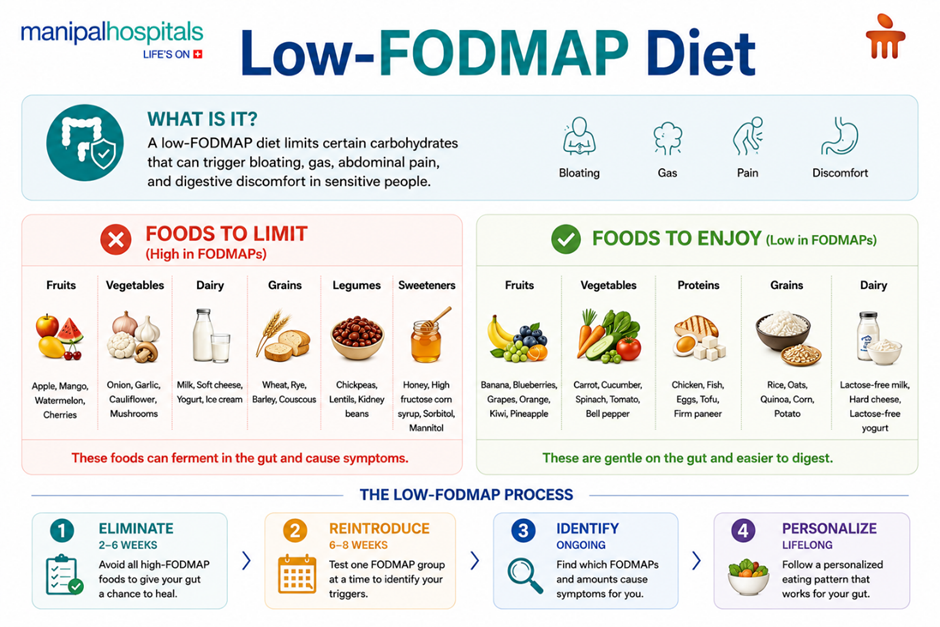
Food Selection – Some foods produce fermentation in the body. These include beans, onions, and carbonated drinks.
-
Gut Sensitivity – Some individuals simply feel digestive changes more intensely. Even normal digestion can feel uncomfortable.
-
Irregular Meals – Large amounts of food taken after a prolonged period without eating could affect the digestive process.
-
Underlying Disorders – Sometimes, bloating symptoms are linked to underlying conditions like irritable bowel syndrome.
Considering the arrhythmia-like patterns rather than the individual events will help find appropriate treatment for bloating.
Foods That Commonly Trigger Bloating
|
Food Type |
What Happens |
Better Choice |
|
Carbonated drinks |
Adds extra gas |
Plain water or herbal tea |
|
Fried foods |
Slows digestion |
Lightly cooked meals |
|
Beans and lentils |
Fermentation in the gut |
Smaller portions, soaked forms |
|
Dairy |
Lactose sensitivity |
Lactose-free alternatives |
|
Processed snacks |
High salt and fat |
Fresh, simple foods |
Adjustments here often make a noticeable difference without requiring strict dietary changes.
Bloating Remedies That Work
While there is no one-size-fits-all solution, some strategies are proven to work over and over again.
-
Eat Slowly - This strategy can have a big impact on your digestive system. It helps ensure that you don’t ingest large amounts of air.
-
Control Portion Sizes - Overeating is considered one of the most common causes of bloating symptoms.
-
Stay Hydrated - Water is crucial in ensuring effective digestion and avoiding sluggish intestines.
-
Gentle Exercise - There are times when a light exercise after meals helps move gases through the digestive system.
These are not dramatic changes, but they are effective when done consistently.
Lifestyle Changes to Reduce Bloating
Long-term relief from bloating usually comes from small, consistent changes in daily habits. These simple adjustments can make a noticeable difference over time.
-
Eat at regular times
-
Avoid lying down right after meals
-
Cut down on processed foods
-
Notice how your body reacts to different foods
Over time, these habits can make it easier to understand how to reduce bloating and manage it more effectively.
When to Seek Medical Advice?
Occasional bloating is common. Persistent discomfort is not something to ignore. If bloating symptoms occur frequently or are accompanied by weight loss, pain, or changes in bowel habits, it is best to seek medical advice. A proper evaluation helps rule out underlying issues and guides appropriate bloating remedies tailored to the individual. Consult our Gastroenterologist Doctor for expert assessment and personalised treatment options.
Conclusion
Bloating is something most people experience at some point, but it does not have to become a regular concern. Paying attention to the symptoms, recognising patterns, and making small adjustments can help improve overall comfort. Stay consistent; combine practical habits with reliable remedies, and simple home remedies can improve digestive comfort over time.
For personalised advice and treatment, visit Manipal Hospital Kanakapura Road, Bangalore, and consult specialists in digestive health.
FAQ's
You may feel bloating, fullness, slight swelling, gas, or just general discomfort after a meal. It doesn’t feel the same every time. Some days it’s hardly noticeable, while on others it stands out more. This usually depends on what you’ve eaten, how your digestion is functioning that day, and how your gut reacts.
To understand how to avoid bloating, focus on eating slowly, avoiding overeating, limiting trigger foods, and maintaining regular meal patterns to support smoother digestion.
It is recommended to try taking a light walk, drink some warm liquids, and avoid large meals—such small actions will help relieve the strain on your system.
Share this article on:


.webp "Irritable Bowel Syndrome Unveiled: From Triggers to Treatment")